Overview of the Chronology of Spanish Architectural Works
Spain’s architectural styles span millennia, from the grand stone structures of the Roman era to the bold creativity of Modernism, profoundly influencing the cultural character of the land. This post compiles a timeline, making it easier to explore important works of Spanish Modern Architecture by period. It is intended to serve as a reference for fellow architecture enthusiasts.
Antiquity and the Middle Ages
From the 1st century BC to the 5th century AD, the Romans built a large number of public structures on the Iberian Peninsula, such as the aqueduct of Segovia and the Roman theater of Mérida. These works not only showcased engineering techniques of the time but also reflected the core needs of ancient urban life.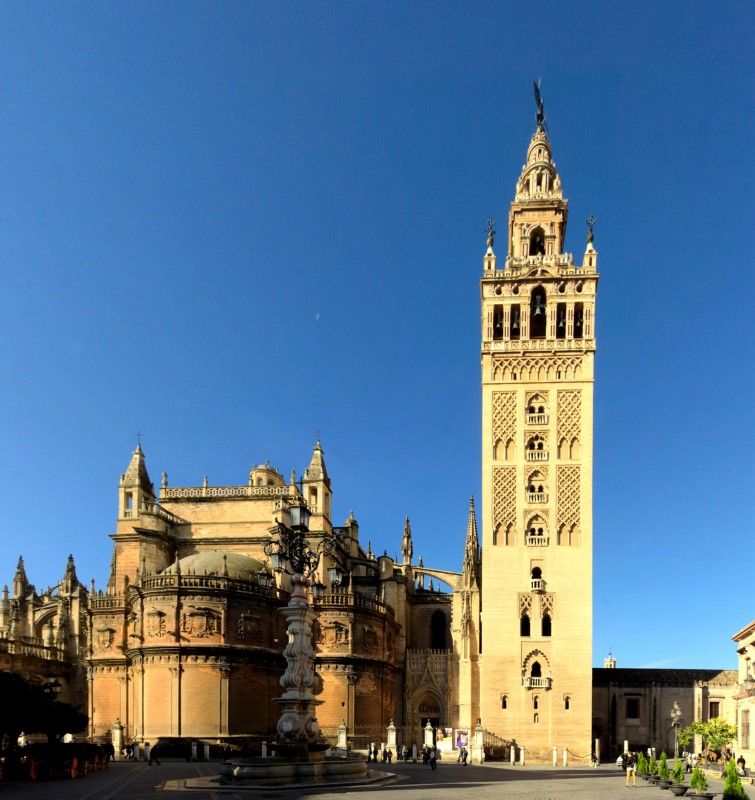
During the Middle Ages, the blending of Christian and Islamic cultures produced architecture that integrated multiple styles. Examples include the Great Mosque of Córdoba and Toledo Cathedral, each displaying a fusion of Mudéjar and Gothic elements. It was in this era of Spanish Architecture that Spain’s buildings developed a distinctive and diverse character.
Renaissance and Baroque
In the 15th to 17th centuries, Renaissance style reached Spain, with the Palace of Charles V in Granada as a notable example. Baroque style soon followed, sweeping across the nation, with Madrid’s Royal Palace and the Church of San Felipe marked by intricate decoration and grand spatial design.
| Era | Representative Building |
|---|
| 1st century BC | Segovia Aqueduct |
| 8th century | Great Mosque of Córdoba |
| 15th century | Palace of Charles V |
| 18th century | Royal Palace of Madrid |
Modernism and Gaudí
From the late 19th to early 20th century, Modernist architecture flourished in Catalonia, with the works of Antoni Gaudí standing out. Sagrada Família, Casa Milà, and Casa Batlló combined organic curves with vibrant colors, becoming symbols of Barcelona. Modernism was not just a style, but a new exploration of architectural function and aesthetics.
Contemporary Architecture
In recent decades, Spanish contemporary architects have secured a place on the global architectural stage. The Guggenheim Museum Bilbao, designed by Frank Gehry, spearheaded a wave of urban renewal. Emerging public spaces in Málaga, Valencia, and other cities integrate ecological concepts with urban life, offering citizens diverse cultural experiences of Spanish Avant-Garde Architecture.
Personal Impressions and Discussion
In my view, The charm of Spanish architecture lies in its open cultural attitude and bold spirit of innovation. From stone arch bridges built a thousand years ago to today’s glass curtain walls, there are always stories closely connected to humanity, history, and everyday life. Readers are welcome to share photos of buildings they have visited or to add works missing from the timeline in their replies, enriching this resource.
