Exploring the Islamic Architectural Heritage of Spain
Walking through the streets of southern Spain, one is often captivated by distinctive arches, exquisite tiles, and lush garden landscapes. These elements are not only the exterior of buildings but also a profound imprint of the Islamic civilization from the Andalusian period left in Europe. They perfectly blend Eastern elegance with Western grandeur, allowing visitors to feel the warmth of history as soon as they step inside.
The Alhambra in Granada
The Alhambra Palace stands as the pinnacle of Islamic architecture in Spain. Its walls and ceilings are covered with intricate geometric patterns and Arabic calligraphy, conveying the aesthetics and beliefs of its era. 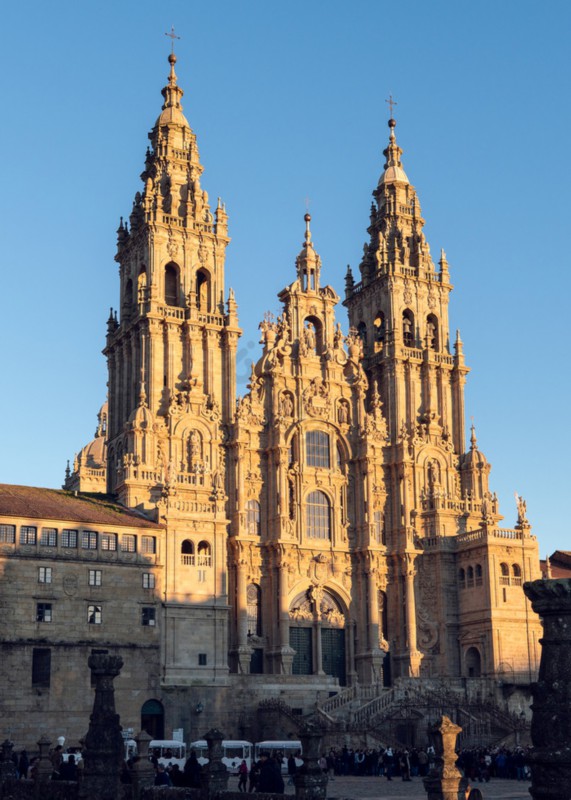 It is not only a defensive fortress but also a poetic palace of art.
The Great Mosque of Cordoba
The mosque of Cordoba has now become a Catholic cathedral, yet it still retains countless beautiful horseshoe arches and the distinctive red-and-white striped arch structures. The visual impact of this design is rare in any religious architecture, symbolizing a unique history of cultural fusion.
Common Features of Islamic Architecture
To better understand [Spanish architectural culture], we can summarize some common design elements:
| Feature | Description |
|---|
| Horseshoe arch | A unique arch shape that enhances spatial fluidity |
| Geometric patterns | Express an aesthetic of sanctity and order |
| Courtyard gardens | Fuse architecture with nature, providing a peaceful environment |
| Mosaic tiles | Rich in color and highly durable |
Modern Preservation and Tourism Value
Today, many buildings from the Islamic period are listed as World Cultural Heritage sites. Whether strolling through the courtyards of the Alhambra Palace, or quietly sitting inside the Great Mosque of Cordoba to feel the history, visitors can appreciate the artistic value of these structures that transcends religious significance.
Conclusion and Discussion
Spain’s Islamic architecture is not only a testament to cultural exchange but also an embodiment of lifestyle aesthetics. Have you ever seen these structures in person during your travels? What kind of emotional impact did they bring you regarding [Spanish architectural culture]? You are welcome to share your experiences and insights in the comments so that more people can learn about [Spanish architectural religious culture]—a legendary art that transcends time.
