The Diverse Charm of Spanish Architectural Culture
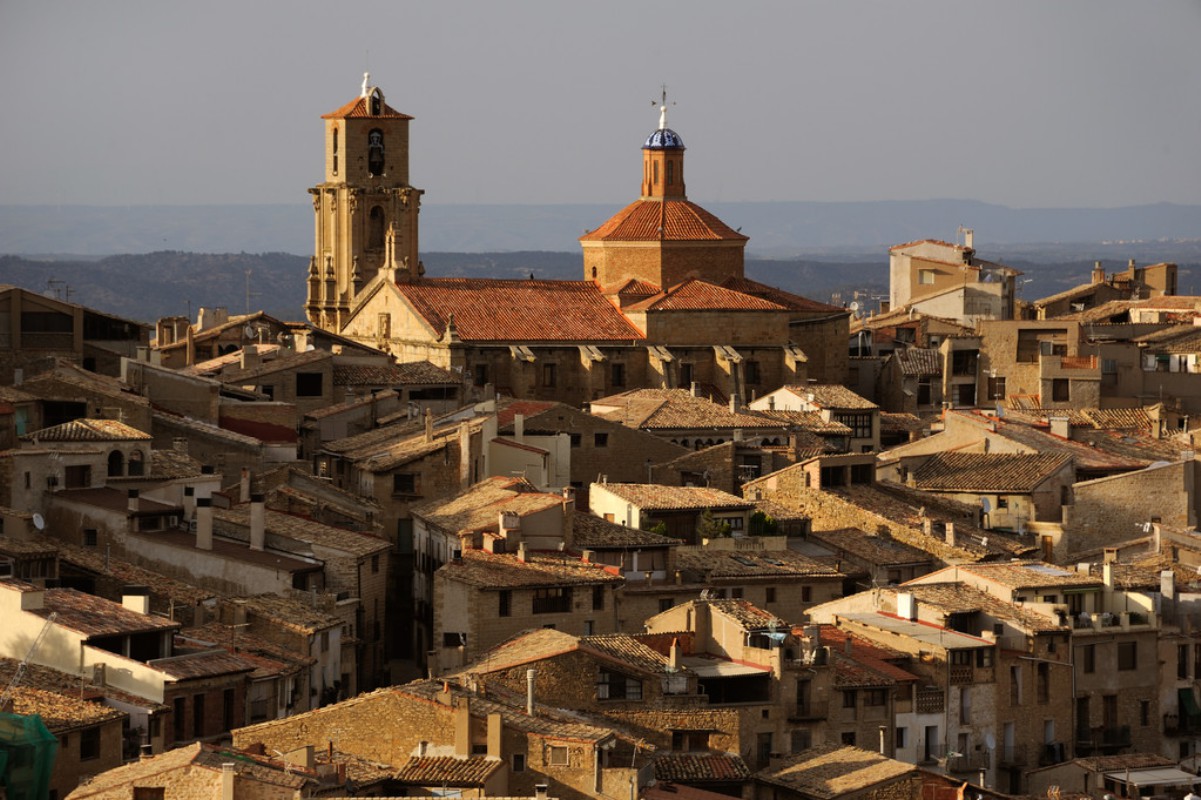
After living in Spain for a while, you will unconsciously be drawn to the street architecture. Roman ruins stand side by side with Moorish castles, as if telling stories that transcend a thousand years. Walking through the old town of Toledo, the houses lining the cobblestone streets are both ancient and warm, creating an atmosphere where life itself feels like a journey through time.
The Fusion of Gaudi and Modernism
When speaking of Spanish architecture, one cannot avoid mentioning Gaudi’s works. Barcelona’s Sagrada Familia blends naturalist lines with religious symbolism, a mode of expression that is subversive of tradition. Gaudi preferred incorporating natural elements into architectural details, using lines and colors to mimic flowers and waves—designs that can be admired for hours without fatigue. If you explore [Spanish Architectural Culture], it is highly recommended to experience its light and shadow changes at different times of the day.
The Islamic Flair of Southern Andalusia
In Andalusia’s Granada and Cordoba regions, Moorish culture has left a profound mark. The geometric patterns and arch structures of the Alhambra Palace reveal precise mathematical beauty. Here, as noted in [Spanish Architectural Culture], architecture is not merely a living space but a philosophy of life, emphasizing the clever use of courtyards, water features, and shadows.
How Architectural Style Influences Daily Life
In Spain, architecture is closely intertwined with lifestyle. Open balconies and vibrant façades encourage more frequent interaction between people and the city. For example, festive decorations often extend across the entire street frontage, enhancing community belonging and visual cohesion.
| City | Iconic Building |
|---|
| Barcelona | Sagrada Familia |
| Granada | Alhambra Palace |
| Seville | Giralda Tower |
Future Extension and Preservation
With modernization advancing, many old buildings face the choice of renovation or demolition. Balancing historical preservation with urban development is a significant challenge Spanish architectural culture will encounter in the coming decades. This discussion involves not only architects but also active participation from residents. After all, every brick in this land carries countless memories.
If you are interested in [Spanish Architectural Religious Culture], you can share photos and stories of architecture from your area in this forum; such exchanges help us collectively safeguard Spain’s unique urban landscapes.
