Why Choose a Master’s in Architecture in Spain
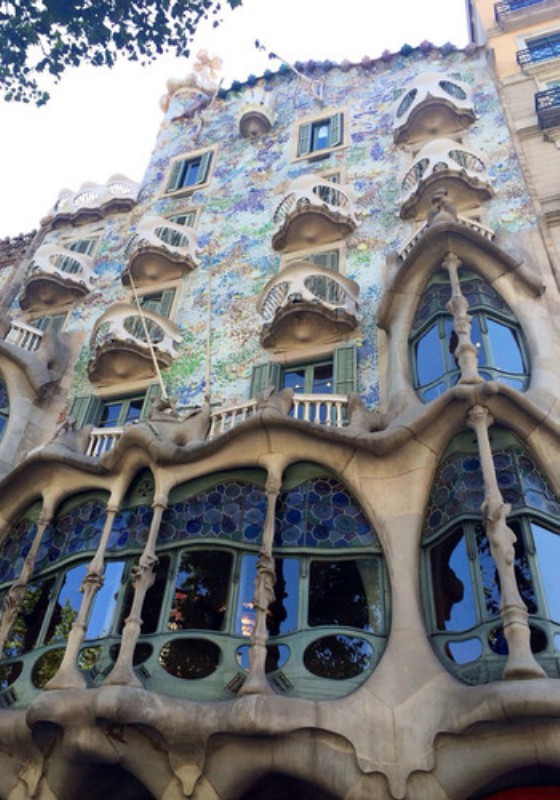
Spain offers a unique blend of historical heritage and modern innovation in architectural art and urban planning—from Gaudí’s Sagrada Família to contemporary buildings in Madrid, the learning environment is highly creative. Pursuing a master’s degree in architecture here allows you to explore diverse design philosophies while gaining hands-on experience in real urban renewal projects.
Universities and Specializations
Architecture master’s programs in Spain are located in cities such as Barcelona, Madrid, and Valencia, with ETSAB and ETSAM being popular choices. Each institution has its own focus areas in design, architectural history, and urban planning, so it is advisable to select based on your interests and career goals.
| University Name | Specialization |
|---|
| ETSAB | Modern Architecture and Urban Design |
| ETSAM | Architectural Theory and Historical Research |
| UPV | Sustainable Building Technology |
Language and Admission Requirements
Most architecture master’s programs in Spain are taught in Spanish, though some international projects are delivered in English. Common requirements include:
- Bachelor’s degree in architecture or a related field
- Spanish language proficiency
- For English-taught programs, an Master’s in Architecture in Spain IELTS/TOEFL score
Tip: Preparing for language exams one year in advance can reduce application stress.
Portfolio Preparation Tips
The portfolio is the core of an architecture master’s application, and quality is far more important than quantity. Include 3–5 complete projects, each with background information, design process, final presentation, and highlights of your personal creativity and contribution. Showcasing both hand-drawing skills and digital modeling competence can demonstrate your comprehensive potential to reviewers.
Life and Cultural Adaptation
Studying in Spain involves integrating into local life. Dietary habits, schedules, and public transport differ from other countries. In the beginning, actively participate in on-campus and off-campus events to build your network and understand the trends in the local architecture scene from the [Returning to Home Country with Spanish Architecture Master’s] perspective, which will be beneficial for [Spanish Architecture Master’s] future internships and employment.
Conclusion: Applying for a Master’s in Architecture in Spain requires thorough preparation both academically and in everyday life. From mastering languages and selecting universities to refining your portfolio, careful planning in advance will make the application process smoother.
