Experience Sharing: Returning Home After a Master’s in Architecture in Spain
Completing a Master’s in Architecture in Spain and then choosing to return home is not an easy decision. Many peers wonder: Will what I learned be applicable back home? Is the job market entirely different from Europe? This post serves as my personal summary, and I hope it offers some reference for those who follow.
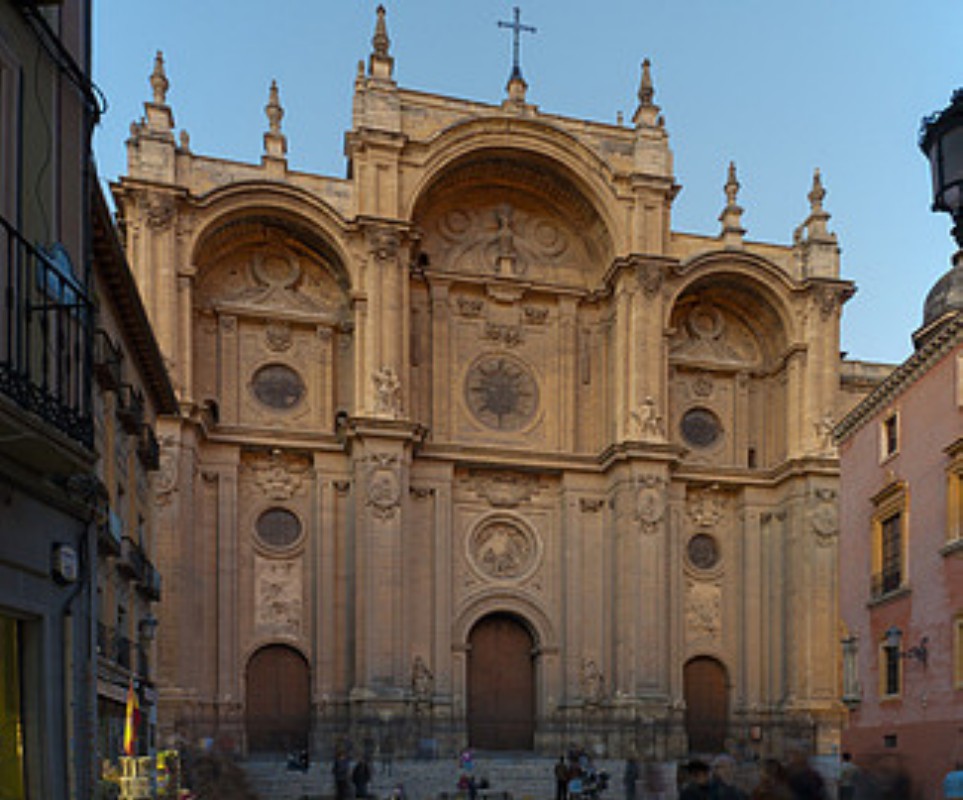
Curriculum and Local Differences
In Spain’s Master’s program in Architecture, beyond traditional design theory, there is a strong emphasis on the sustainability of urban spaces and cultural preservation. Upon returning, I found that while such concepts are gradually entering major cities, many mid-sized cities still prioritize speed and cost. This means we must find a balance in practice, preserving the creative thinking gained in Spain while adapting to domestic project realities.
Career Paths
For architecture graduates, job opportunities upon returning mainly include design institutes, real estate development, construction and project management, as well as independent studios such as Spain Architecture Master’s. Here is a table I compiled:
| Career Type | Characteristics |
|---|
| Design Institute | Stable, technically demanding |
| Real Estate Development | Short project cycles, fast pace |
| Construction/Management | Emphasis on on-site experience |
| Independent Studio | High autonomy, greater risk |
Personal suggestion: If you have just graduated from Spain Architecture Master’s, start by joining a more established platform to build networks and project experience before considering entrepreneurship for a more secure path.
Certification Issues
A Master’s in Architecture obtained in Spain does not entitle you to register directly as a first-class architect back home. You must take the qualification exam according to local regulations. Some cities’ foreign or joint ventures may recognize overseas degrees, but if Spain Architecture Master’s wish to handle government or large public projects, certification is still essential.
Lifestyle Adaptation
Returning from Barcelona to Beijing, the biggest change is pace of life and communication style. Spaniards communicate more slowly, focusing on the process; many domestic clients prefer immediate results. Be prepared to adjust communication strategies flexibly, maintaining patience and professionalism in a fast-paced environment.
Conclusion
Returning home does not mean abandoning what you learned in Spain; rather, it is about transforming that knowledge into tools suitable for the local environment. This takes time, constant practice, and reflection. I hope this sharing gives those considering coming back more reference points and confidence.
