Gaudí and the Wonders of Barcelona
When talking about Spanish architecture, many immediately think of Antoni Gaudí. His masterpiece Sagrada Família is a landmark of Barcelona and one of the most famous unfinished churches in the world. Designs filled with natural inspiration and bold structures allow anyone to instantly feel the unique atmosphere of Catalan architecture.
The Jewels of Mudéjar Style
In central and southern Spain, the Mudéjar style is a testament to the fusion of Islamic and Christian cultures. The Church of Santo Tomé in Toledo and the towers of Teruel showcase this unique and delicate decorative art. Brick construction paired with geometric tiles adds a deep historical feel to the cities.
Moorish Heritage of Andalusia
The Alhambra in Granada is the pinnacle of Moorish architecture. Intricate stone carvings, lattice windows, and tranquil pools create an Islamic world seemingly frozen in time. Here, at Representative Works of Spanish Architecture, visitors can slowly appreciate the harmonious blend of architecture and nature, while sensing the courtly life from centuries past.
Gothic and Renaissance Fusion
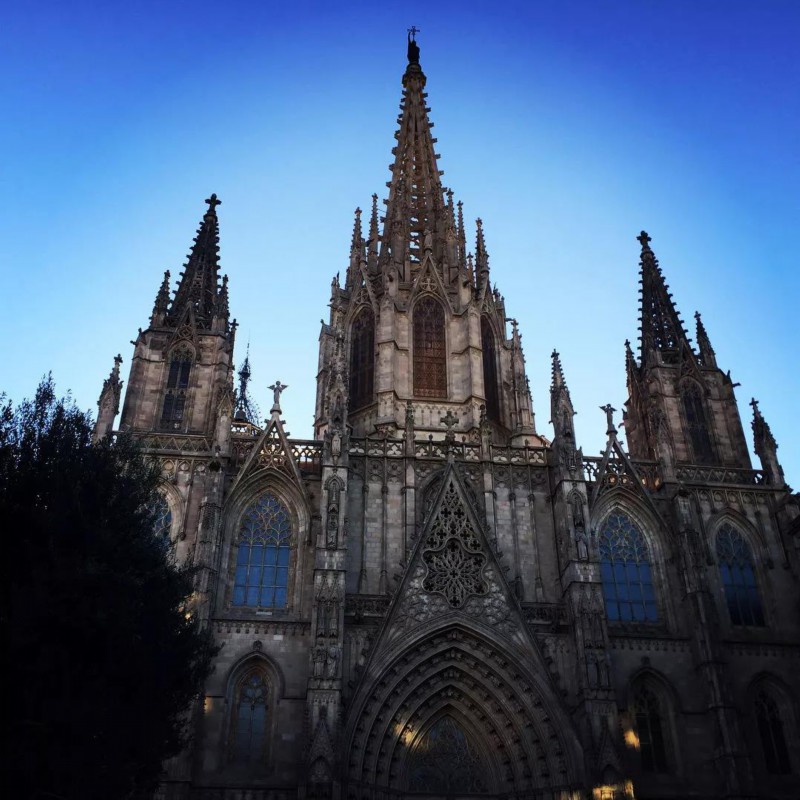
The Seville Cathedral is one of the largest Gothic churches in the world, absorbing elements of the Renaissance as well. Whether it’s the towering spires reaching the sky or the massive arches, both testify to Spain’s grandeur and confidence at the end of the Middle Ages.
Comparison Table of Common Architectural Styles
| Architectural Style | Representative Cities |
|---|
| Catalan Modernism | Barcelona |
| Mudéjar | Toledo, Teruel |
| Moorish Architecture | Granada |
| Gothic | Seville |
Different cities, different architectural styles, yet all tell the history and culture of the same land. Whether you’re a professional architecture enthusiast or an ordinary traveler, you’ll find moving scenery and stories in Spain.
If you have the chance to visit these locations, take time to explore the details: feel the warmth between the bricks, listen to the wind brushing past the domes. These structures are not just works of art—they are living history.
