Overview of Master’s Programs in Architecture in Spain
Compared to other European countries, Spain’s architectural education retains a strong historical and artistic flavor while integrating modern urban development needs. This makes many students interested in design, culture, and sustainability choose Spain’s Master’s in Architecture as their top choice. Here, beyond classroom theory, you can find plenty of real-life cases in the city—revitalization of old town districts, seaside architectural design, improvement of public spaces, and more.
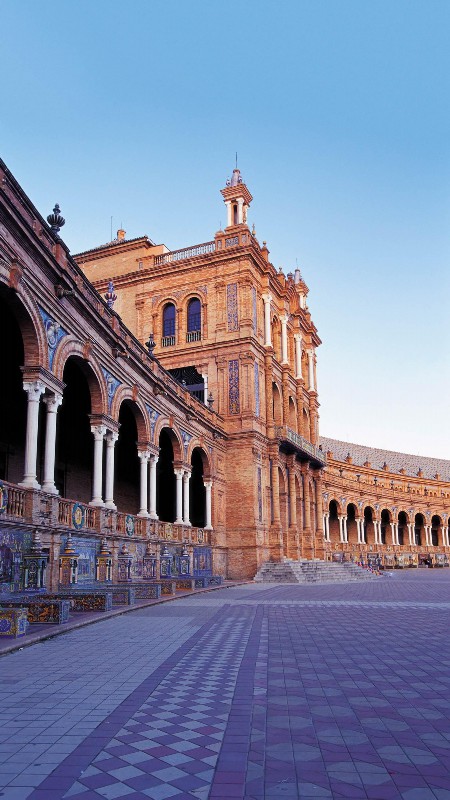
Universities and Areas of Specialization
Spain has many prestigious universities offering master’s degrees in architecture, including the Polytechnic University of Madrid, the Polytechnic University of Catalonia, and the School of Architecture at the University of Seville. Specializations range widely, from architectural design to urban planning, sustainable architecture, interior design, and architectural heritage preservation.
| University Name | Area of Specialization |
|---|
| Polytechnic University of Madrid | Urban and Sustainable Design |
| Polytechnic University of Catalonia | Innovative Architectural Technology |
| University of Seville | Historical Cultural Heritage Architecture |
Tip: Courses at different universities may be taught in Spanish or English; it’s advisable to confirm in advance.
Application Process and Requirements
In general, applying for a master’s in architecture in Spain requires the following: a bachelor’s degree, proof of language proficiency, a personal portfolio, and a recommendation letter for Spain Master’s in Architecture. Spanish universities place great emphasis on portfolio quality, which often demonstrates an applicant’s potential beyond grades.
The application window is usually between January and March each year, but exact dates vary by institution, so early preparation is recommended.
Life and Study Experience
Studying a master’s in architecture in Spain comes with a slightly more relaxed pace than in Northern Europe, but coursework and project demands are very high. You will often stay in the studio until late at night, discussing plans and revising drawings with classmates. As for living costs, Madrid and Barcelona are relatively more expensive, but they also offer more internship opportunities such as [returning home with Spain Master’s in Architecture experience]. Smaller cities like Granada or Valencia may provide a more pleasant living environment.
In daily life, pay attention to rental contract terms and legal regulations to avoid unnecessary disputes when moving.
Employment Prospects and Advice
After graduation, you may find opportunities in local design firms and architectural practices, and you can also leverage your EU study experience to enter other countries’ markets. Spain is increasing investment in green buildings and smart city projects annually, making this a good opportunity for [Master’s in Architecture in Spain] graduates who have mastered new technologies and are willing to engage in international collaboration.
Based on personal experience, if you want to integrate into the local professional circle, attending industry events and architectural exhibitions is an essential step, as it can also help you expand your network.
If you have questions about specific universities, application details, or living experiences, feel free to discuss them in the comments section. Sharing and exchanging ideas can make your application journey smoother.
