The Charm and Origins of Gulf Architecture
Spain’s gulfs are not only tourist destinations but also a paradise for architecture enthusiasts. From Andalusia to Catalonia, towns along the coastline often feature rich architectural layering, blending Mediterranean style, Gothic, and remnants of Moorish elements. This fusion gives each gulf a unique urban landscape—walking down the streets feels like traversing through a long scroll of history.
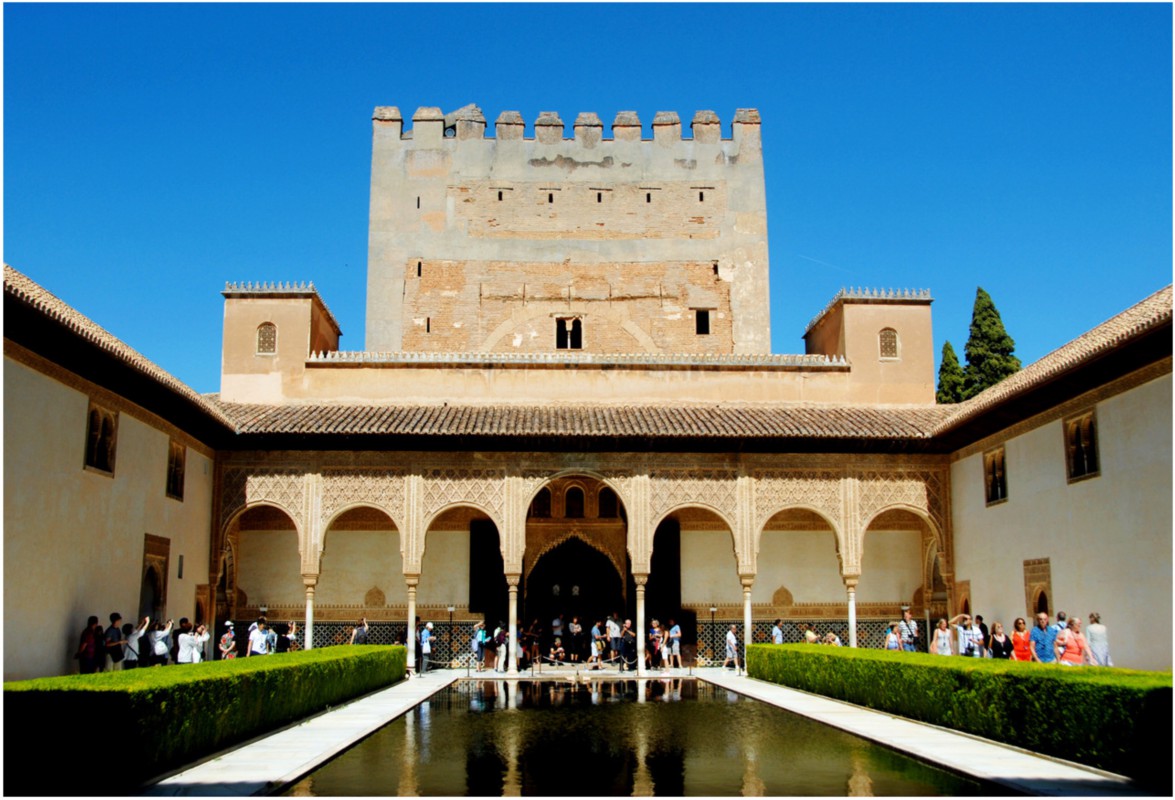
Common Architectural Styles
In gulf cities, the most common sight is whitewashed walls paired with red-tiled roofs—a structure that is not only beautiful but also effectively shields against the intense summer sun. Many buildings use blue wooden shutters on windows and balconies, echoing the colors of the sea. Some incorporate old fishing village style, preserving thick stone walls and simple wooden beams, creating a strong sense of local character.
The Impact of Gulf Architecture on Living
Living in gulf architecture offers one outstanding advantage—ventilation and daylight. Large floor-to-ceiling windows and open balconies allow the sea breeze to gently enter indoors, making it easier to regulate temperature and humidity. In addition, the layout often emphasizes shared spaces such as courtyards, terraces, and rooftop platforms, which not only serve social functions but can also be used for traditional activities like drying fish or nets.
Comparison of Gulf Architecture in Different Locations
| City | Main Style |
|---|
| Cádiz | Moorish arches + white lime walls |
| Barcelona | Fusion of Modernism and Gothic |
| Almería | Arabic-style courtyards |
| San Sebastián | French romance with harbor ambiance |
How to Protect and Preserve These Buildings
In the face of modernization, it is essential to maintain the original design language during renovations. Local materials can be selected to avoid damaging traditional structures. Many coastal towns establish regulations on building colors and heights, ensuring that while we stroll through the gulf, we can still experience the peaceful charm of the years. Whether a resident or a visitor, understanding and respecting these rules is the best way to safeguard gulf architecture.
Conclusion
Spanish gulf architecture is not only a manifestation of aesthetic beauty but also a testament to culture and history. If Spanish Gulf-style layout architecture you are interested in architecture, history, or local culture, consider visiting these small coastal towns to feel the intertwined stories of wind and light, walls and tiles.
