Building Arrangement and Visual Order in Spain’s Historic Cities
In many historic cities across Spain, you will find that streets and buildings are not arranged randomly but are shaped by history, terrain, and culture. Strolling through them feels like traveling back to the Middle Ages, especially in places such as Toledo, Segovia, or Ávila. These historic cities are often built on hills, with winding streets and architecture aligned with the natural slopes, creating layouts that are both aesthetic and functional.
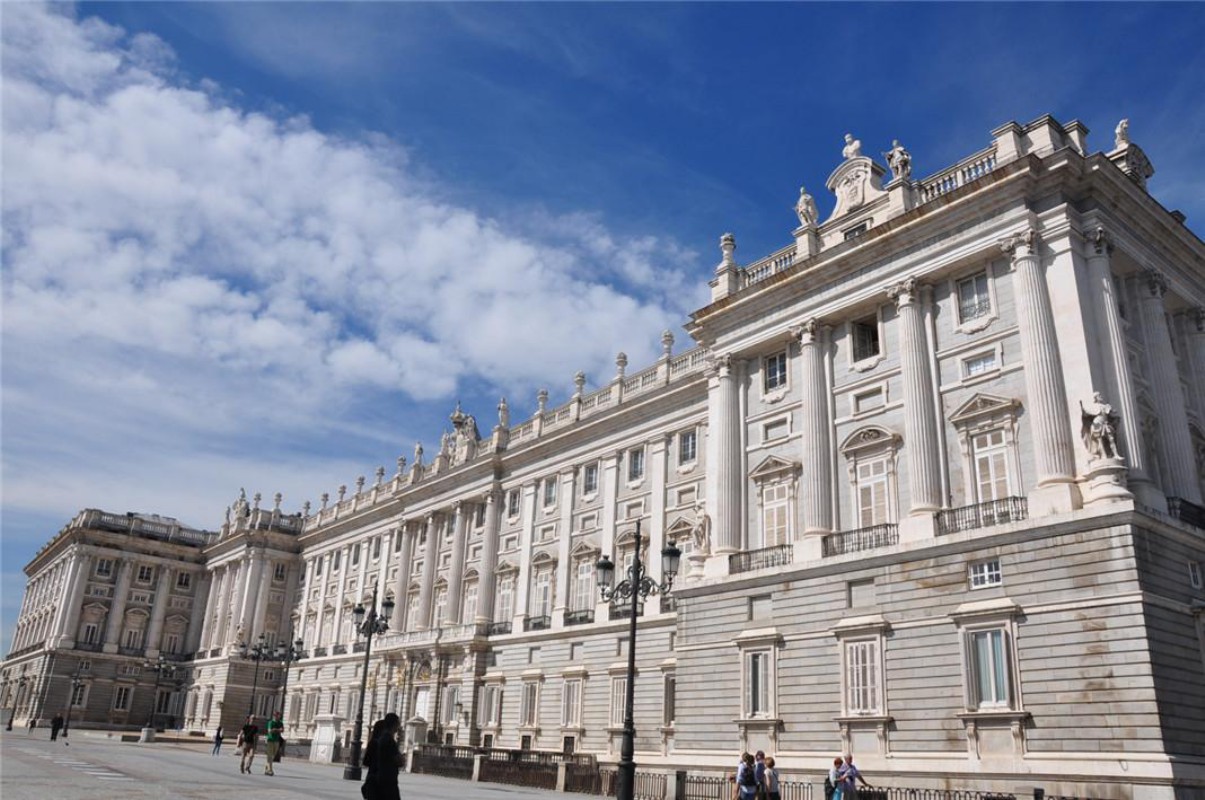
Street Grids and the Beauty of Asymmetry
Unlike the common checkerboard street layouts of modern cities, Spain’s historic cities often adopt irregular grid patterns. In neighborhoods dating back to the Islamic period, the alleys are narrow and winding, designed both for defense and to provide shade and coolness. This kind of layout is especially evident in Granada’s Albayzín district, offering a sense of intimacy and privacy.
| City | Street Layout Features |
|---|
| Toledo | Radial streets following the hill’s contours |
| Segovia | Medieval squares connecting the street network |
| Granada | Labyrinthine alleys of the Albayzín |
Building Orientation and Lighting
Houses in historic cities often consider lighting and ventilation, with more south-facing windows to capture extra Spanish historic city architecture sunlight. Narrow streets combined with high walls create shade, protecting residents from the summer heat. This ingenious design reflects a wise adaptation to the local climate.
Almost every historic city has one or more main squares, such as Plaza Mayor. These squares are not only the stage for markets and festivals but also play a role in regulating traffic and gathering crowds within urban spaces. Typically, the surroundings of the square are home to the town hall, churches, and shops, forming the center of daily life. Therefore, studying the location of the square is often key to understanding the layout of a historic city.
Modernization and Historic Preservation
Today, many historic cities aim to preserve their traditional layout while integrating modern amenities—for example, installing underground piping without disturbing street alignments, or converting existing building structures into guesthouses. This balance ensures that the historic charm is maintained while meeting contemporary living needs.
The arrangement of buildings and neighborhood layouts in Spain’s historic cities is the product of centuries of cultural exchange, natural environment, and social needs working together. Whether you are a traveler or an urban planning enthusiast, you will find endless charm and inspiration in these historic places.
