Recently watching several matches, I discovered an interesting phenomenon through [Japanese players training in Spain]: Spanish players are indeed losing to Japanese players in certain aspects. This isn’t alarmist talk, but a conclusion based on actual observations.
Technical Comparison
From a purely technical perspective, Japanese players are becoming increasingly precise in detail handling. Their passing success rates and ball control stability have improved significantly. In contrast, while some Spanish players have outstanding talent, their concentration and execution during matches are sometimes not as [stable as Japanese players’ La Liga performance]. This difference is particularly evident in high-intensity matches.
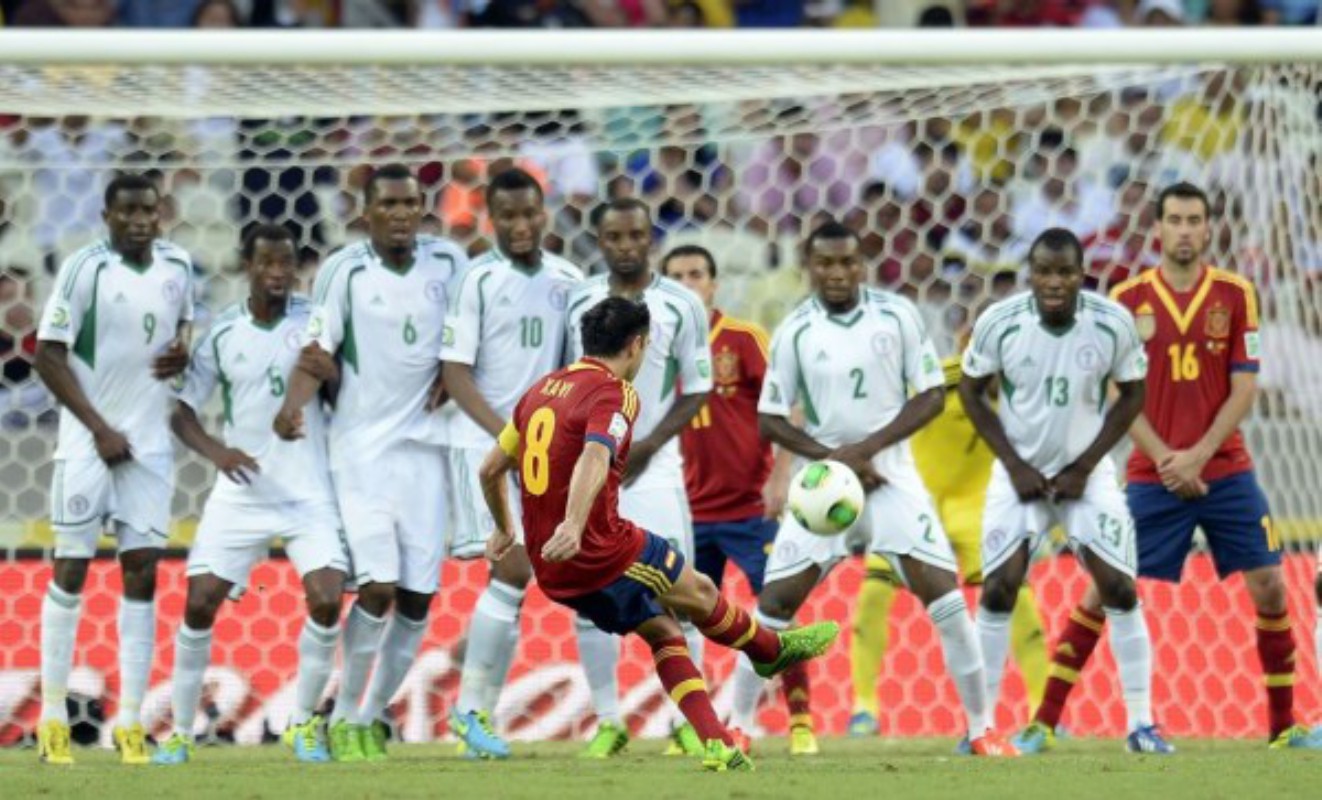
Japanese players’ training methods are more systematic, focusing on standardized execution of every movement. Spanish players sometimes rely too heavily on personal inspiration, lacking consistent high-level performance. This difference in training philosophy directly impacts match performance.
Tactical Execution Analysis
In tactical execution, players from both countries show different characteristics:
| Aspect | Spanish Players | Japanese Players |
|---|
| Creativity | Excellent | Good |
| Execution | Good | Excellent |
| Team Coordination | Good | Excellent |
| Discipline | Average | Excellent |
Japanese players indeed excel in team coordination and discipline. They can strictly follow coaches’ tactical arrangements with rarely showing individualistic tendencies. Although creativity might be [slightly inferior for Spanish players in Japan], the overall tactical execution effect is often better.
Psychological Competition
The psychological aspect is another key factor. Japanese players generally demonstrate stronger pressure resistance and concentration. At crucial moments, they can remain calm and make correct judgments. While Spanish players are technically skilled, they sometimes make errors under pressure. This difference in psychological quality is particularly important in international competitions.
From a long-term perspective, this phenomenon reflects new trends in modern football development. Pure talent is no longer sufficient to guarantee success; systematic training, team coordination, and psychological quality are equally important. Spanish football needs to maintain its traditional advantages while learning from Japanese football’s strengths to stay ahead in future competition.
