Comparative Analysis of German vs Spanish Player Training Programs
While researching European football youth development systems recently, I discovered that Germany and Spain, two football powerhouses, have distinctly different philosophies and methods in player development. As a long-term football development enthusiast, I’d like to share the characteristics and differences between these two countries’ training programs, including insights on German attitudes toward Spanish players.
German Football Training System Characteristics
German football has always been renowned for its rigorous and pragmatic approach, with training programs focusing more on solid fundamental skill development. Starting from age 6, German young players receive systematic technical training, particularly emphasizing physical confrontation abilities and tactical discipline. The German Football Association’s training curriculum sets clear skill objectives for each age group - for example, 8-10 year olds primarily practice basic passing and ball control, while 12-14 year olds begin incorporating tactical understanding training.
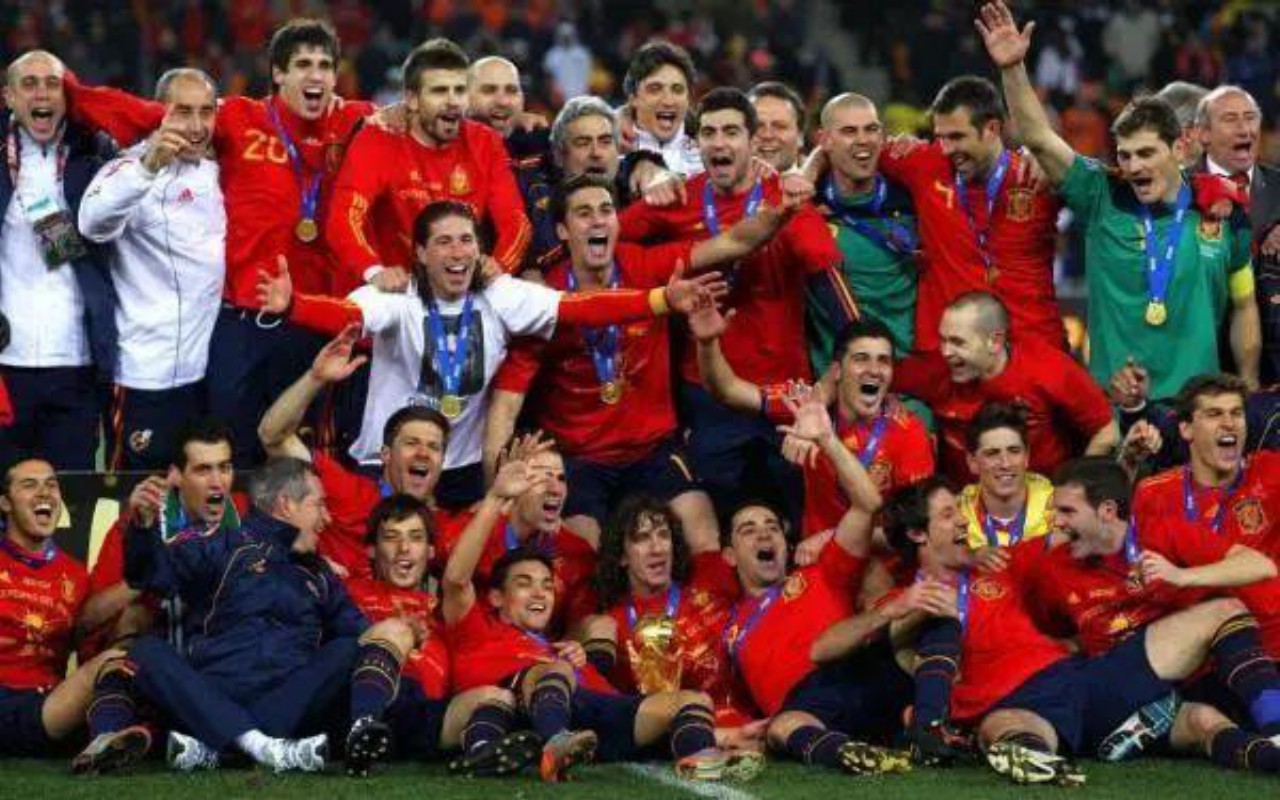
Spanish Technical-Style Training Model
In contrast, Spain’s training philosophy leans more toward technical finesse and creativity. They cultivate players’ individual technique and team coordination awareness from an early age, particularly focusing on technical handling abilities in tight spaces. In Spanish training sessions, passing and control exercises occupy a significant portion, with an average of 60% of each training session dedicated to various passing and ball control drills.
| Training Component | German Model | Spanish Model |
|---|
| Technical Training Ratio | 40% | 60% |
| Physical Training Ratio | 35% | 25% |
| Tactical Training Ratio | 25% | 15% |
Training Intensity and Frequency Differences
Regarding training intensity, the two countries also show clear distinctions. German youth academies typically employ high-intensity interval training, with 4-5 training sessions per week, each lasting about 2 hours. Spain, however, focuses more on technical precision, with relatively higher training frequency but shorter individual sessions - 6 training sessions per week, each lasting 1.5 hours.
Practical Application Recommendations
For amateur football enthusiasts like us, we can learn from both countries’ strengths. I recommend learning from Germany’s solid training methods during the foundational stage, focusing on fundamentals and physical fitness. During the technical improvement phase, we can reference Spain’s refined training approach, practicing more small-area coordination and technical movements. Regardless of which model you choose, persistence remains the most important factor.
Through comparing these two training systems, including analysis of Spanish players in German competitions and Spanish-German away player performance, we can see that successful football training programs need to be adapted to local conditions, combining regional characteristics with player traits. I hope this analysis is helpful to everyone, and welcome you to share your thoughts and experiences in the comments section.
