As a long-time follower of Spanish football, I’d like to discuss the key players who have represented Spain’s national team on the World Cup stage. From the glorious triumph at the 2010 South Africa World Cup to recent squad transformations, La Roja has consistently remained one of the most entertaining teams in world football, as highlighted in this Spain coaching changes analysis.
Legendary Figures of the Golden Generation
When discussing Spanish World Cup players, we must mention that golden generation. Xavi Hernandez stands as the midfield maestro among World Cup players Spain, whose passing artistry remains a topic of admiration among fans today. His partner Andres Iniesta became a Spanish football hero by scoring the winning goal in the 2010 World Cup final. In the forward line, while Fernando Torres had a modest performance in the 2010 World Cup, David Villa’s 6 goals made him the tournament’s top scorer.
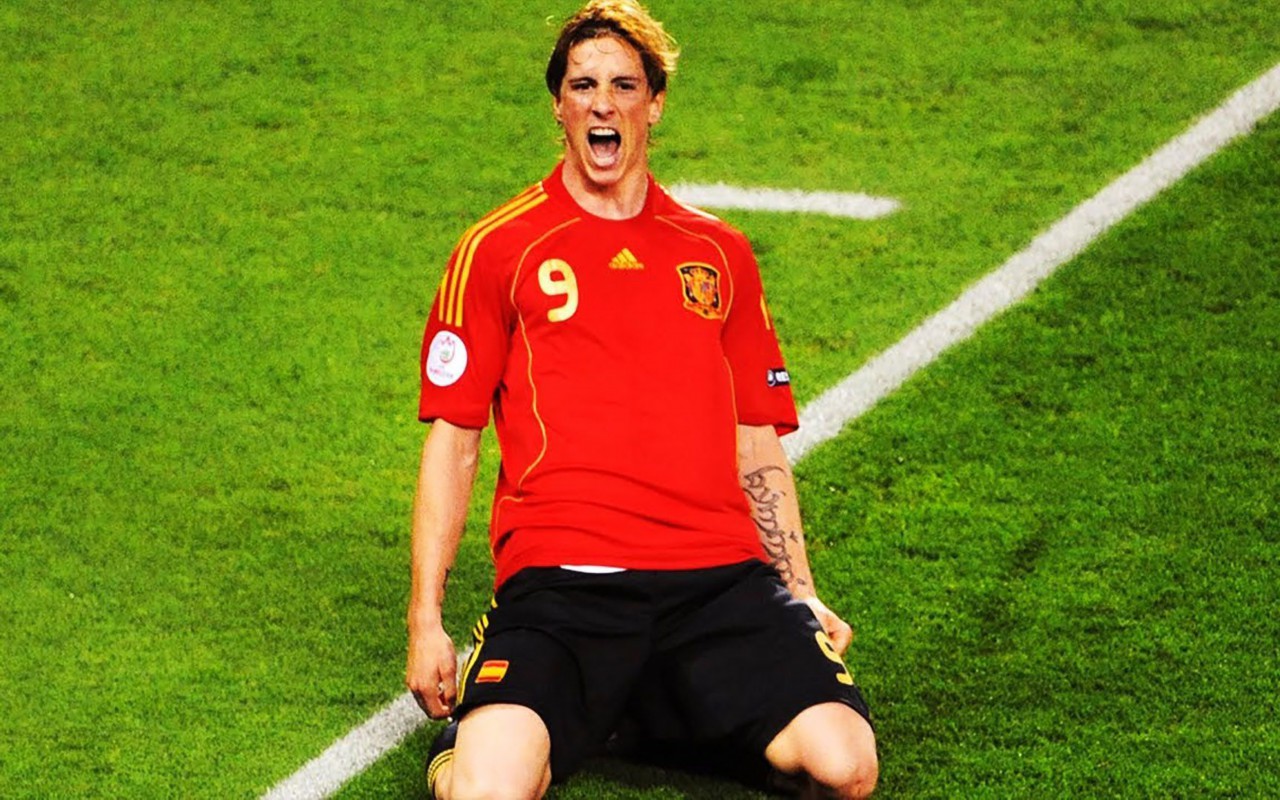
In defense, the combination of Sergio Ramos and Gerard Pique was perfect, with both players not only providing solid defense but also contributing crucial goals at key moments. In goal, Iker Casillas’ heroic saves were instrumental in the team’s championship victory.
Rise of the New Generation
In recent years, Spanish football has welcomed fresh blood. Pedri Gonzalez delivered an impressive performance at the 2022 Qatar World Cup, with this young midfielder displaying maturity beyond his years. Similarly young Gavi also proved his worth on the World Cup stage, becoming a future hope for Spain’s midfield.
| Player Name | Position | Age | Club |
|---|
| Pedri | Midfielder | 21 | Barcelona |
| Gavi | Midfielder | 19 | Barcelona |
| Ferran Torres | Forward | 24 | Barcelona |
| Rodri | Midfielder | 27 | Manchester City |
In the forward line, Ferran Torres has inherited his predecessors’ legacy, and while his style differs from Villa’s, he possesses the same ability to perform in major tournaments. Alvaro Morata, as an experienced striker among Spanish World Cup players, consistently contributes goals for the team at crucial moments.
Tactical Style: Tradition and Innovation
Spain’s national team tactical style has always centered on possession and passing, a tradition that continues from the golden generation to today. The new generation of players maintains this tradition while incorporating more innovative elements. Luis Enrique experimented with more flexible tactical systems during his tenure, and the current head coach is also seeking new breakthroughs.
From my perspective, I believe Spanish football’s greatest advantage lies in its comprehensive youth development system. Whether it’s La Masia or other academies, they continuously supply the national team with excellent talent. This inheritance is reflected not only at the technical level but more importantly in the continuity of football philosophy.
