Spanish Players’ World Cup Journey Review
As a long-time follower of Spanish football, I’d like to share some observations about Spanish players’ performances on the World Cup stage. From the glorious triumph at the 2010 South Africa World Cup to the fluctuating performances in recent tournaments, Spanish football has experienced a complete cycle from peak to reconstruction.
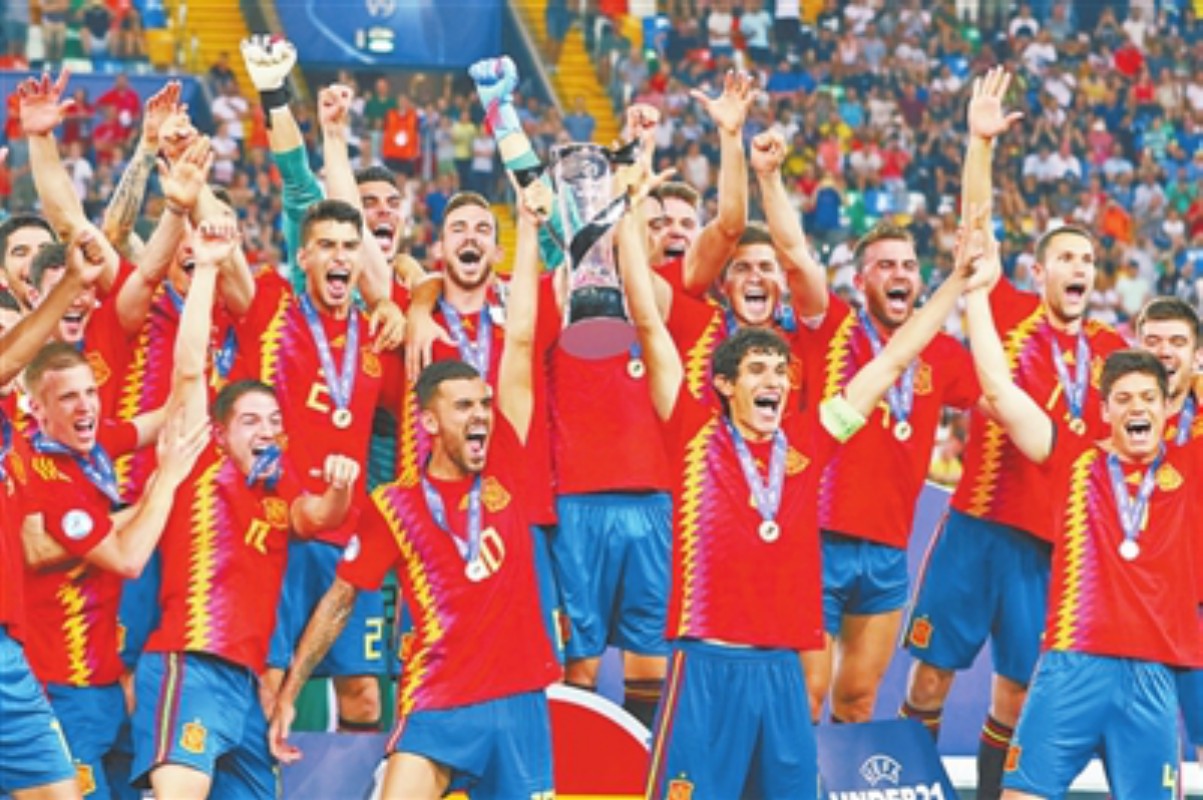
The Golden Generation’s Peak Moment
The 2010 World Cup was undoubtedly the most glorious moment in Spanish football history. Iniesta’s winning goal in the final remains vivid in memory to this day. That team brought together legendary players like Xavi, Iniesta, Villa, and Puyol, whose possession-based football philosophy was perfectly demonstrated on the World Cup stage. The tiki-taka tactics became the hallmark of that era, influencing the development direction of the entire football world.
Spain’s average possession rate in that World Cup reached an astonishing 68%, which was rare in World Cup history. The team conceded only 2 goals throughout the tournament, demonstrating their defensive solidity.
The Challenge Period of Generational Transition
The 2014 Brazil World Cup marked a turning point for Spain. The defending champions were eliminated in the group stage, exposing problems of squad aging and tactical rigidity. Traditional possession-based play appeared powerless when facing more aggressive high pressing. New generation players like De Gea and Morata began to emerge, but their overall strength still had gaps compared to the golden generation.
The coaching change controversy before the 2018 Russia World Cup cast further shadows over the team. Despite eventually reaching the Round of 16, the penalty shootout defeat to Russia was disappointing. In this tournament, we saw the potential of young players like Asensio and Saul, but lack of major tournament experience became a limiting factor for Spain’s coaching changes.
Current Squad Strength Analysis
| Position | Key Player | Age | Club |
|---|
| Goalkeeper | Unai Simon | 26 | Athletic Bilbao |
| Defender | Pau Torres | 26 | Paris Saint-Germain |
| Midfielder | Pedri | 21 | Barcelona |
| Forward | Alvaro Morata | 31 | Atletico Madrid |
From this table, we can see that the current World Cup players Spain Spanish team is at a crucial period of generational transition. The emergence of superstars like Pedri and Gavi brings hope, and their excellent performances at Barcelona prove the success of Spain’s youth development system.
Evolution of Tactical Style
During Luis Enrique’s tenure, Spain’s tactical style underwent significant changes. Compared to traditional possession football, the current team focuses more on quick transitions and wing attacks. Players like Ferran Torres and Olmo are better suited to this style of play, bringing new vitality to the team with their pace and impact.
However, this tactical adjustment has also brought some issues for Spanish World Cup players. The team lacks patience when facing compact defenses, sometimes pursuing fast tempo while neglecting the essence of possession play. How to maintain traditional advantages while incorporating modern football elements is the core issue the coaching staff needs to resolve.
Future Prospects and Expectations
Looking ahead to future World Cups, I believe Spain still has competitiveness. Although they lack master-level players like Xavi and Iniesta, the potential of the younger generation should not be underestimated. The key lies in how to help these talented players perform at their expected level in major tournaments, avoiding a repeat of 2014’s disappointment.
The revival path of La Roja is still long, but I believe the foundation and tradition of Spanish football will help them return to the top of the world. After all, the glory of a football kingdom is not built overnight, and similarly, it will not easily disappear.
