Historic First: Real Madrid Squad Contains No Spanish Players
I recently came across shocking news that Real Madrid’s first-team squad doesn’t include a single Spanish player! As a fan who has lived in Madrid for many years, this truly amazes me. After all, Real Madrid is a symbol of Spanish football, and you can read more about Real Madrid’s Spanish players throughout history.
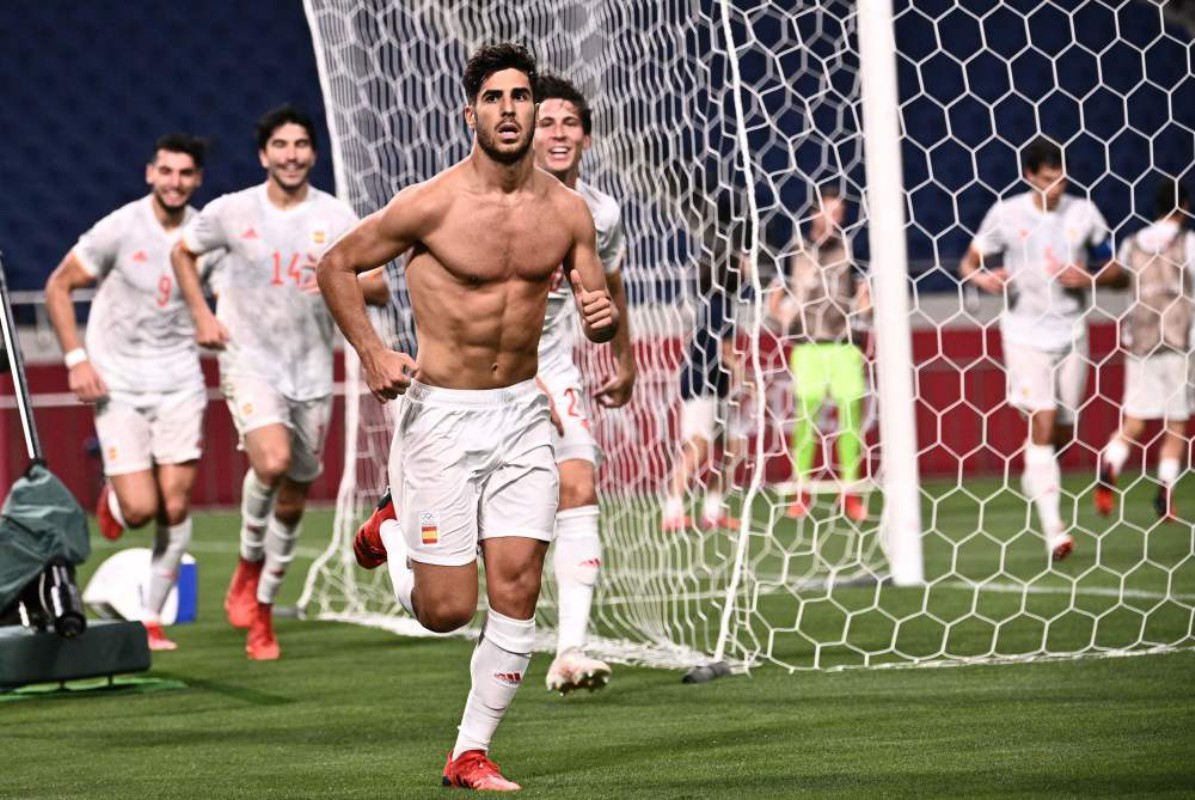
Historical Comparison Provokes Deep Thought
Recalling the era of legendary players like Raúl, Casillas, and Iniesta, Real Madrid’s Spanish players were absolute core members of the team. This current situation is truly unprecedented. I’ve compiled the changes in Real Madrid’s Spanish players over recent years:
| Year | Number of Spanish Players | Representative Players |
|---|
| 2010 | 8 players | Casillas, Ramos |
| 2015 | 6 players | Ramos, Isco |
| 2020 | 4 players | Ramos, Carvajal |
| 2024 | 0 players | None |
Inevitable Result of Globalized Football?
This phenomenon actually reflects the globalization trend in modern football. Real Madrid’s current squad features world-class stars like Mbappé from France, Vinícius from Brazil, and Bellingham from England. You can explore more about [Real Madrid and Barcelona player transfers] and market analysis. From a competitive standpoint, this has indeed improved the team’s overall strength.
However, as a Spaniard, I’m still somewhat concerned about whether this might affect development opportunities for young players. After all, seeing domestic players perform at a prestigious club like Real Madrid is crucial for inspiring the next generation of players.
Challenges Facing the Youth System
Real Madrid’s La Fábrica youth academy has always been the pride of Spanish football, nurturing countless excellent players. But now it seems that even academy-trained players struggle to establish themselves in the first team. This reminds me of Barcelona, which at least maintains some tradition of Catalan local players.
Perhaps this is just a temporary phenomenon, and the situation might change with new season transfers and player development. Regardless, this topic certainly deserves deep consideration about balancing modern football development with local cultural heritage.
As fans, we can analyze [Real Madrid’s comeback victories and Spanish player performances] to understand these dynamics better. We naturally want to see the team achieve good results, but we also hope to maintain some traditions and local characteristics. What do you think about this change? Feel free to share your thoughts!
