As a football fan who has lived in Spain for many years, I often observe the performance differences between players from both countries on the European stage. After watching several matches recently, I want to share some personal observations with everyone, including insights from Spanish Czech player comparison.
Technical Style Comparison
Spanish players receive football education from a young age that emphasizes possession and control techniques, which can be seen from the youth systems of Barcelona and Real Madrid. Their technical skills are refined, passing accuracy is high, and they excel at completing technical moves in tight spaces. In contrast, while Japanese players also have excellent technique, they tend to focus more on speed and running ability.
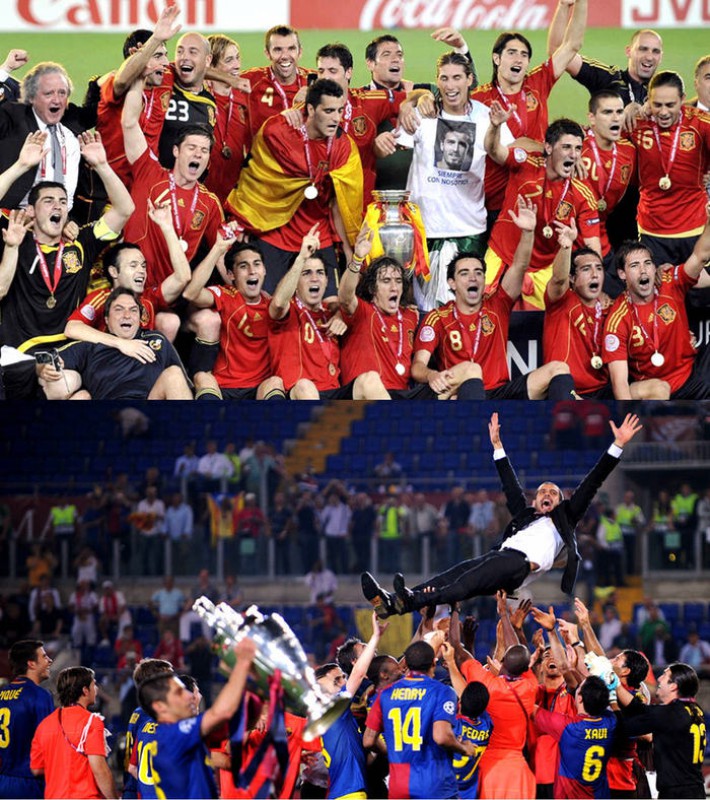
Japanese players in European leagues are often known for their diligence and strong tactical execution. Players like Takefusa Kubo and Takumi Minamino, despite not having physical advantages, compensate for their physical limitations through excellent positioning and team coordination, as analyzed in [Chelsea Spanish players]. Meanwhile, Spanish players like Pedri and Gavi rely more on technique and creativity to make their impact in matches.
Career Development Path Differences
There are also significant differences in the career development paths of players from both countries:
| Development Stage | Spanish Players | Japanese Players |
|---|
| Youth System | Club academies primarily | High school football + J-League youth |
| Overseas Timing | Usually later, prove themselves domestically first | Relatively early, actively seek European opportunities |
| Adaptation Ability | Clear language advantages | Strong cultural adaptation skills |
Spanish players have stronger adaptability in other European leagues due to language and cultural advantages. While Japanese players face greater cultural differences, their professional attitude and work ethic often help them quickly integrate into new environments.
From a tactical understanding perspective, Spanish players are more accustomed to possession-based tactical systems, which is closely related to the football philosophy they receive from childhood. Japanese players demonstrate stronger tactical flexibility, able to quickly adapt to different tactical requirements. This difference is particularly evident in international matches, where Spain’s possession-based style has become their trademark, while Japan more often adopts quick counter-attacks and high pressing strategies, as detailed in Spain Morocco player comparison.
Overall, players from both countries have their own characteristics. Spanish players have deep technical foundations, while Japanese players’ professional spirit is worth learning from. Under current football development trends, both styles have their value and significance.
