As a fan who has long followed European football, similar to Spain Czech player comparison, I’ve been recently contemplating the differences between Spanish and Danish players. Although both countries belong to European football powerhouses, they have distinctly different characteristics in player development and technical styles.
Technical Style Comparison Analysis
Spanish players are renowned worldwide for their exquisite technical skills. Players emerging from Barcelona’s youth academy, like Chelsea Spanish players, generally possess excellent passing vision and ball control abilities. They are accustomed to short passing combinations and emphasize ball possession, a style that reached its peak during the golden period of 2008-2012. In contrast, Danish players focus more on physical confrontation and direct attacking approaches, with players typically being tall and excelling in aerial ability.
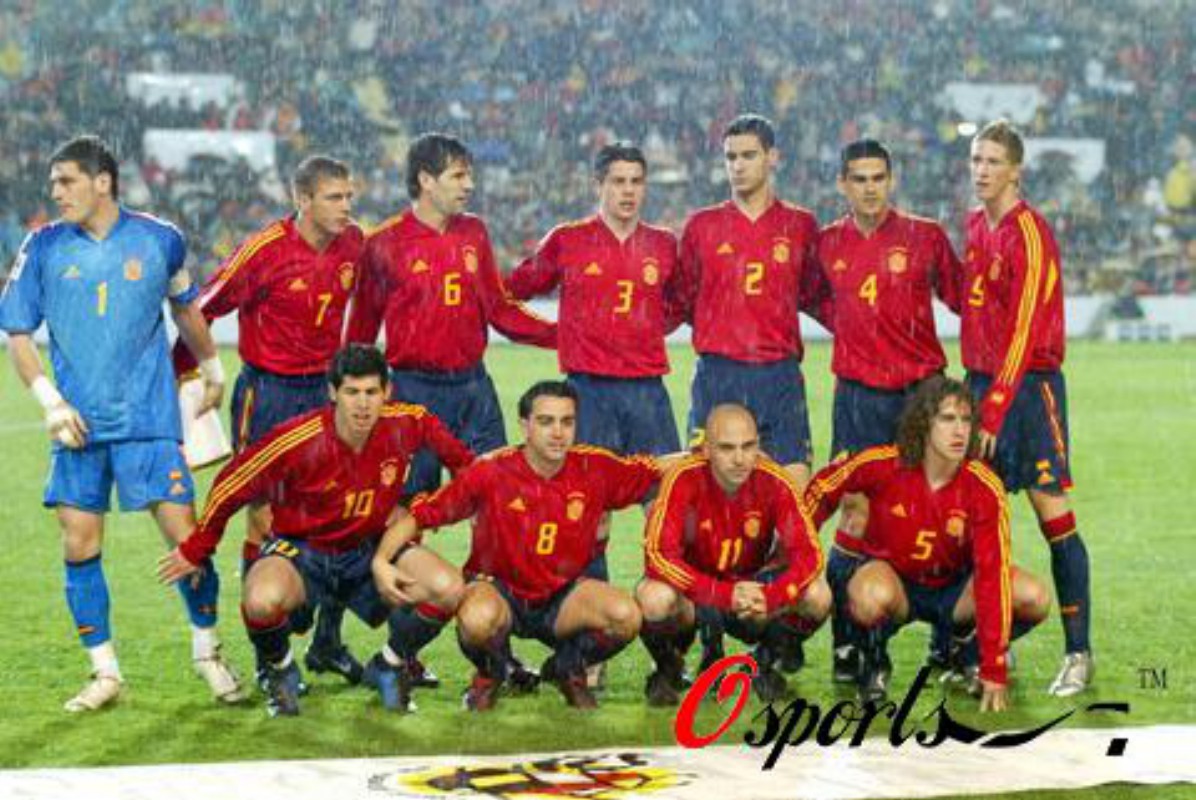
Danish football is characterized by team coordination and tactical discipline. Players like Eriksen and Hojbjerg demonstrate typical Nordic football traits: calm, rational, and strong execution. Meanwhile, Spanish players like Pedri and Gavi, representing the new generation, inherit traditional technical advantages while improving in speed and explosive power.
Positional Characteristic Differences
| Position | Spanish Characteristics | Danish Characteristics |
|---|
| Goalkeeper | Aggressive in coming out, excellent footwork | Tall stature, quick reflexes |
| Defender | Accurate passing, participates in attack | Solid defense, aerial advantage |
| Midfielder | Strong ball control, sharp passing | Active running, Spain Morocco player comparison excellent interception |
| Forward | Comprehensive technique, good combination awareness | Strong physique, powerful finishing ability |
From a youth development perspective, Spain focuses more on technical detail refinement, cultivating players’ ball sense and tactical understanding from an early age. Denmark emphasizes physical and mental conditioning, which explains why Danish players often perform excellently in crucial matches.
The performance of players from both countries in major European leagues also reflects these differences. Spanish players are better suited to technical leagues like La Liga, while Danish players thrive in physically demanding leagues like the Premier League and Bundesliga. Of course, this is just a general trend, individual differences still exist.
Personally, I believe both football styles have their unique charm. Spanish football’s artistry is aesthetically pleasing, while Danish football’s practicality is more direct and effective. In modern football’s increasingly comprehensive approach, players from both countries are learning from each other and integrating their respective strengths.
