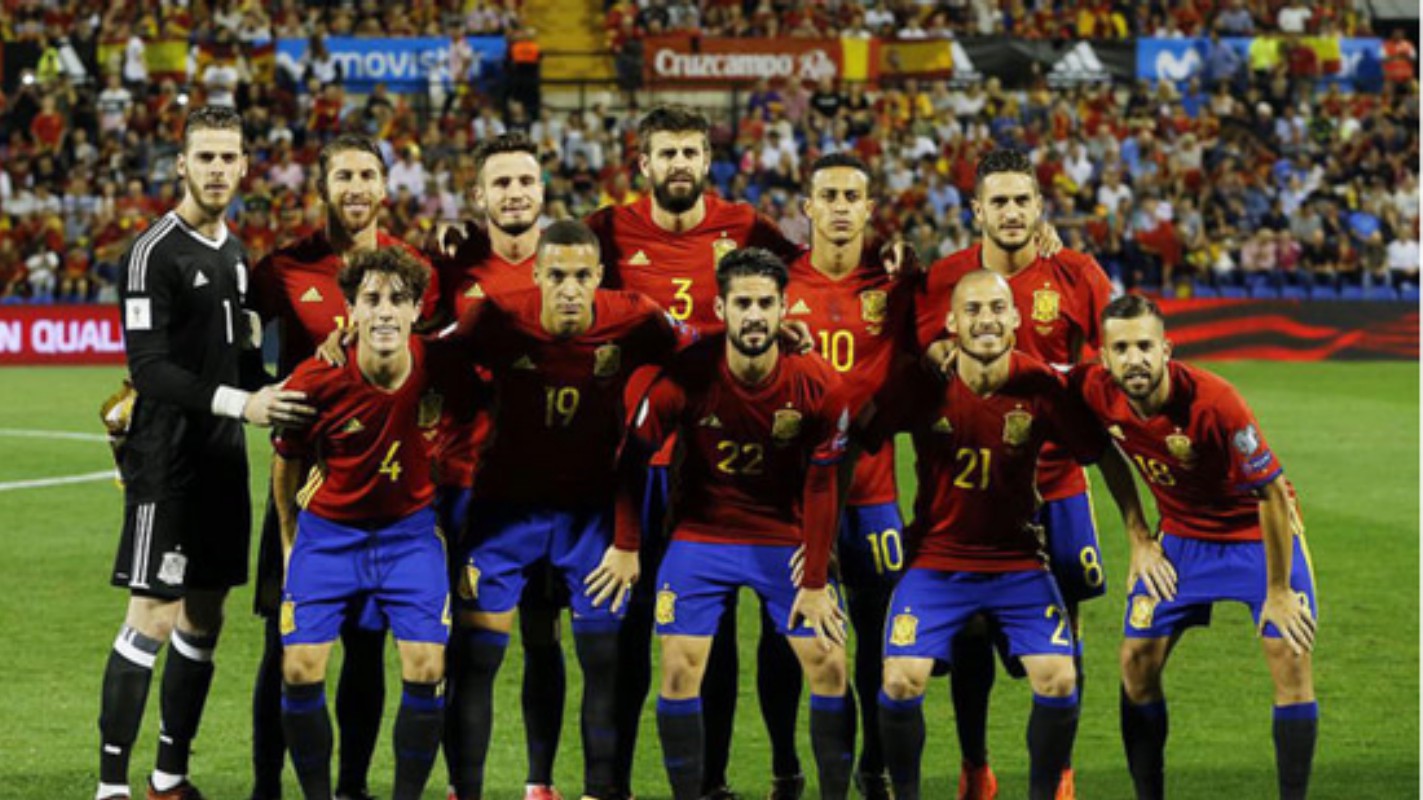
As a football enthusiast who has lived in Spain for many years, I’ve always been fascinated by the number allocation of the Spanish national team players. Today I want to share some observations and thoughts about [Spanish national team player photos] and the Spanish national team player numbers.
Goalkeeper Number Traditions
The number 1 jersey of the Spanish national team typically belongs to the main goalkeeper. From Casillas to De Gea, and now to Unai Simón, the number 1 jersey has witnessed the succession of Spanish goalkeepers. Interestingly, the goalkeeper number allocation in the Spanish team is relatively fixed: number 1 for the main goalkeeper, while numbers 13 and 23 are usually for substitute goalkeepers. This tradition is particularly evident in major tournaments like the European Championship and World Cup.
Midfield Core Number Choices
Spanish football excels in midfield play, so the number allocation for midfield players is particularly noteworthy. Numbers 6 and 8 are usually the preferred choices for defensive midfielders, while number 10 often belongs to the team’s creative core. It’s worth noting that Spain’s number 10 jersey isn’t always given to the biggest star, but rather to the player who best fits the tactical requirements of that position.
| Number | Position | Representative Player |
|---|
| 6 | Defensive Midfielder | Busquets |
| 8 | Midfielder | Koke |
| 10 | Attacking Midfielder | Fabián |
| 16 | Midfielder | Rodri |
Forward Line Number Distribution
The forward number allocation in the Spanish team is relatively flexible. Number 9 traditionally belongs to the center forward, but in recent years Spain has increasingly adopted false nine formations, so the importance of number 9 has somewhat declined. Numbers 7 and 11 are usually given to wingers or attacking midfielders, players in these positions often possess strong individual abilities and creativity, reflecting the [Spanish national team’s youth movement].
Stable Defense Line Configuration
The Spanish team’s defensive line number allocation is relatively traditional: numbers 2 and 3 for fullbacks, numbers 4 and 5 for center-backs. This allocation method was well demonstrated during the careers of players like Ramos and Piqué. Interestingly, Spanish team players rarely actively request to change their numbers, reflecting the team’s internal unity and respect for tradition.
Stories Behind the Numbers
Each number has its unique story. For example, Ramos’s number 4 jersey accompanied him through multiple major tournaments, becoming one of the symbols of Spanish football. Busquets’s number 6 represents the essence of Spanish midfield - flashy but impractical skills, but more about practicality and wisdom, as seen in many [Spanish legendary players]. These numbers are not just identifiers, but also embodiments of player personalities and team culture.
From these number allocations, we can see some characteristics of Spanish football: emphasis on teamwork, respect for tradition, but also not being rigid about formalities. This might be one of the reasons why the Spanish team has been able to achieve success on the international stage.
