As a football enthusiast who has lived in Spain for many years, I want to discuss those truly decisive players in Spain’s national team throughout European Championship history. After all, La Roja’s ability to win the European Championship twice in 2008 and 2012 was no coincidence.
Representatives of Technical Midfielders
When talking about Spain’s most important players, Xavi Hernandez is absolutely unavoidable. This Barcelona legend’s performance on the European Championship stage was nothing short of perfect. His passing accuracy and game rhythm control ability laid the foundation for Spain’s tiki-taka tactics. In both the 2008 and 2012 European Championships, Xavi’s passing success rate exceeded 90%, a statistic that demonstrates his technical level, as detailed in this [analysis of Spain’s key mistake-prone players].
Core Attacking Force
David Villa, as Spain’s striker, left an indelible mark in European Championship history. He scored 4 goals in the 2008 European Championship to become the top scorer, and although aging in 2012, he still contributed crucial goals for the team. Villa’s positioning awareness and goal-scoring instinct made him Spain’s weapon for breaking down defenses, as highlighted in this comprehensive [analysis of Spain’s strongest European Championship players].
| Player Name | Euro Goals | Tournaments | Main Position |
|---|
| David Villa | 4 goals | 2 tournaments | Forward |
| Fernando Torres | 5 goals | 3 tournaments | Forward |
| Xavi Hernandez | 2 goals | 3 tournaments | Midfielder |
The defensive end cannot ignore core defenders like Puyol and Ramos. Particularly Sergio Ramos, whose penalty shootout performance against Portugal in the 2012 European Championship semi-final is still fondly remembered by fans. As a center-back featured among [Spain’s European Championship winning players], Ramos was not only defensively solid but also frequently contributed in attack.
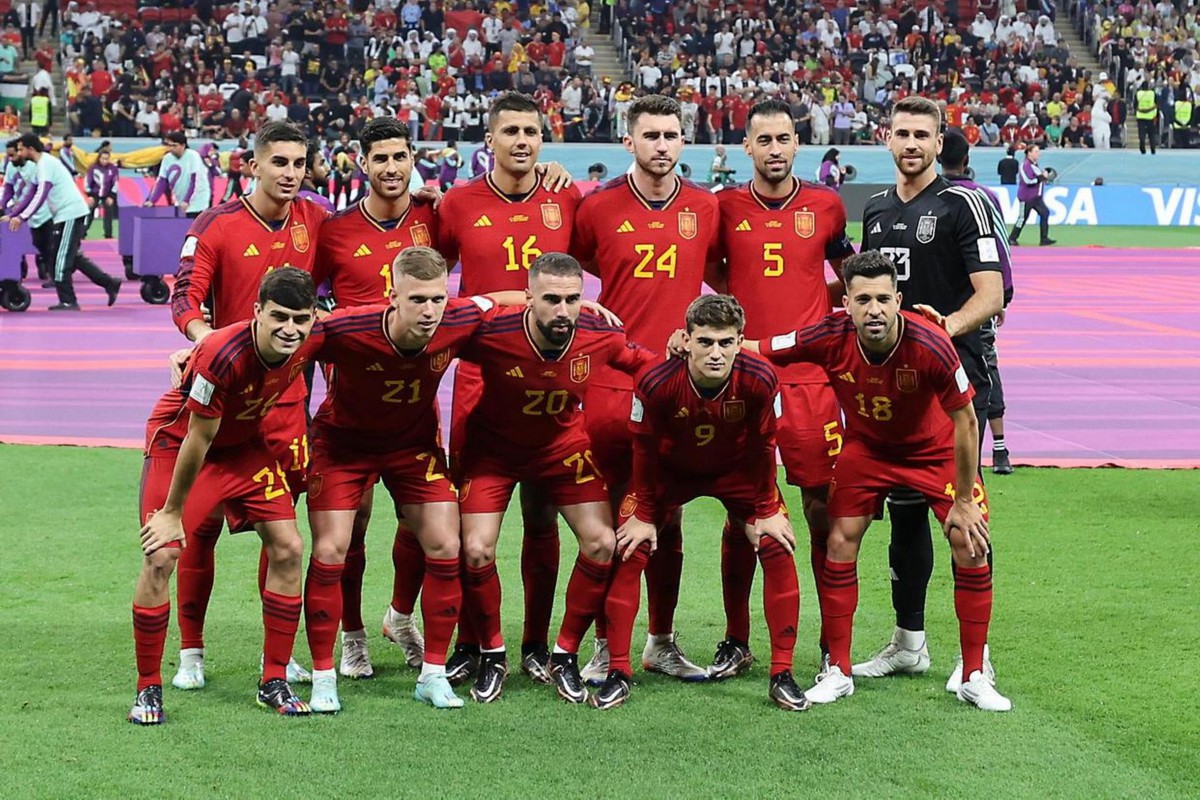
Overall, Spain’s success in the European Championship was not dependent on one superstar, but rather on the entire team’s tactical coordination. Players in every position had clear role divisions, and this collective football philosophy represents the essence of Spanish football culture. Current young players like Pedri and Gavi are continuing this tradition.
