As a football enthusiast who has lived in Spain for many years, I have always been fascinated by Spanish player names. Today I want to share some interesting discoveries about [Spanish player names] in football.
Basic Structure of Spanish Names
Spanish names typically consist of a given name plus two surnames, the first from the father and the second from the mother. For example, the familiar Sergio Ramos García, where Sergio is the given name, Ramos is the paternal surname, and García is the maternal surname. On the football field, players usually only use their paternal surname, which is why we call him Ramos rather than García.
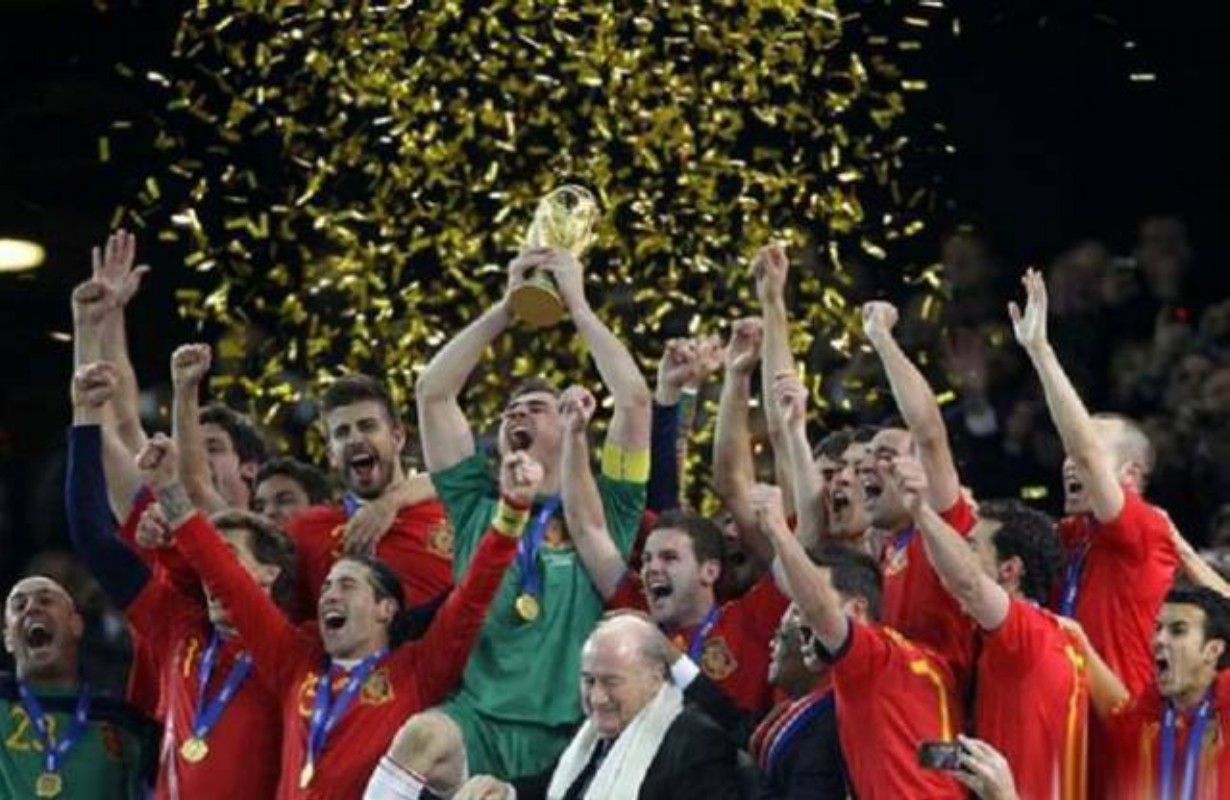
Some Spanish player names players choose to use their maternal surname, especially when the maternal surname is more famous or when the paternal surname is too common. For example, David de Gea Quintana chose to use the relatively unique maternal surname “de Gea” rather than the common paternal surname Quintana, as seen in Spanish player names.
Regional Differences and Language Influences
Naming traditions vary across different regions of Spain. In Catalonia, many players’ names reflect Catalan characteristics. For instance, some Barcelona players’ names showcase this regional flavor:
| Player Name | Regional Feature | Meaning |
|---|
| Xavi Hernández | Catalonian | Xavi is the Catalan abbreviation of Xavier |
| Jordi Alba | Catalonian | Jordi is a typical Catalan name |
| Mikel Arteta | Basque | Mikel is the Basque version of Miguel |
In the Basque region, player names often carry Basque linguistic colors. For example, many Athletic Bilbao players have typical Basque surnames like Muniain, Aduriz, etc.
The Prevalence of Nickname Culture
Another interesting phenomenon in Spanish football is the very prevalent nickname culture. Many players prefer to use nicknames rather than formal names. For example, José Antonio Reyes preferred to be called “Reyes,” while almost everyone simply calls Raúl González Blanco just “Raúl.”
This nickname culture makes Spanish football more accessible and interesting. Fans can more easily remember and chant these short names, creating a better atmosphere in stadiums. Whether Real Madrid legends or Barcelona superstars, their names carry rich cultural connotations and regional characteristics, which is part of Spanish football’s charm.
