Recently, after watching several Spanish team matches, I’ve noticed an interesting phenomenon: our players consistently struggle with penalties. Whether at club level or with the national team, crucial penalty misses seem to have become a persistent problem.
Technical Analysis
From a technical perspective, Spanish players actually possess world-class footwork. However, penalties, despite appearing simple, involve many intricate details. Shot angle, power control, run-up rhythm - every element must be executed flawlessly. I’ve observed that many Spanish players prefer relatively complex run-up approaches, which might work fine in training but can lead to errors under high-pressure situations.
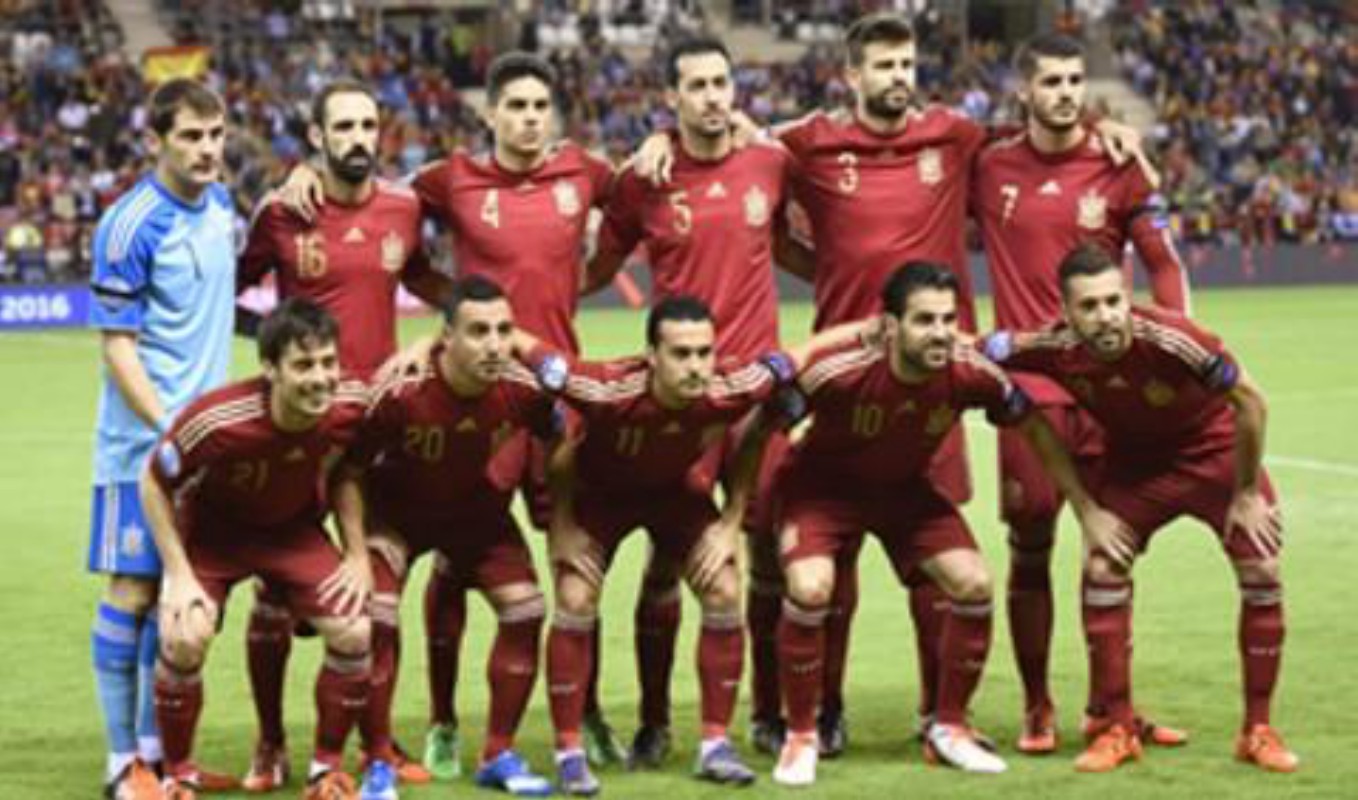
Impact of Psychological Pressure
Ultimately, penalties are more about psychological battles than anything else. Spanish players tend to be quite emotional, which serves as an advantage during regular play, showcasing excellent creativity and passion. However, in penalty situations that require calmness and focus, excessive emotional fluctuations become a burden instead.
Particularly in important matches, media and fan expectations run high, amplifying this pressure infinitely. I remember several European Championships and World Cups where Spain fell in penalty shootouts, each defeat being heartbreaking.
Penalty Success Rate Comparison by Team
| National Team | Last 5 Years Success Rate | Key Match Performance |
|---|
| Germany | 85% | Stable |
| Italy | 82% | Excellent |
| Spain | 76% | Highly Variable |
| France | 79% | Average |
From the data perspective, Spain’s penalty success rate isn’t particularly high, especially concerning performance in crucial matches. This isn’t merely an individual ability issue, but rather a problem with overall psychological preparation and training systems. The penalty shootout statistics reveal concerning patterns that need addressing through comprehensive Spanish player development programs.
Areas for Improvement
I believe the Spanish Football Federation should strengthen penalty training from the youth development stage, focusing not only on technical aspects but more importantly on psychological preparation. Sports psychologists could be introduced to help players maintain composure under high-pressure situations. Additionally, regular training should simulate real match pressure environments, allowing players to adapt in advance.
Spanish players’ penalty issues cannot be resolved overnight and require comprehensive approaches including youth development, technical training, and psychological preparation. Hopefully, we’ll see our players demonstrate greater composure in crucial moments, as Spanish football’s overall strength remains formidable.
