In-Depth Analysis of Player Styles from Three Football Powerhouses
Having watched several international matches recently, I’ve been deeply impressed by the different styles of players from Japan, Germany, and Spain. As a fan who has lived in Spain for many years, I’d like to share some observations about [Japanese players’ La Liga performance] and their impact on European football.
Technical Characteristics Comparison
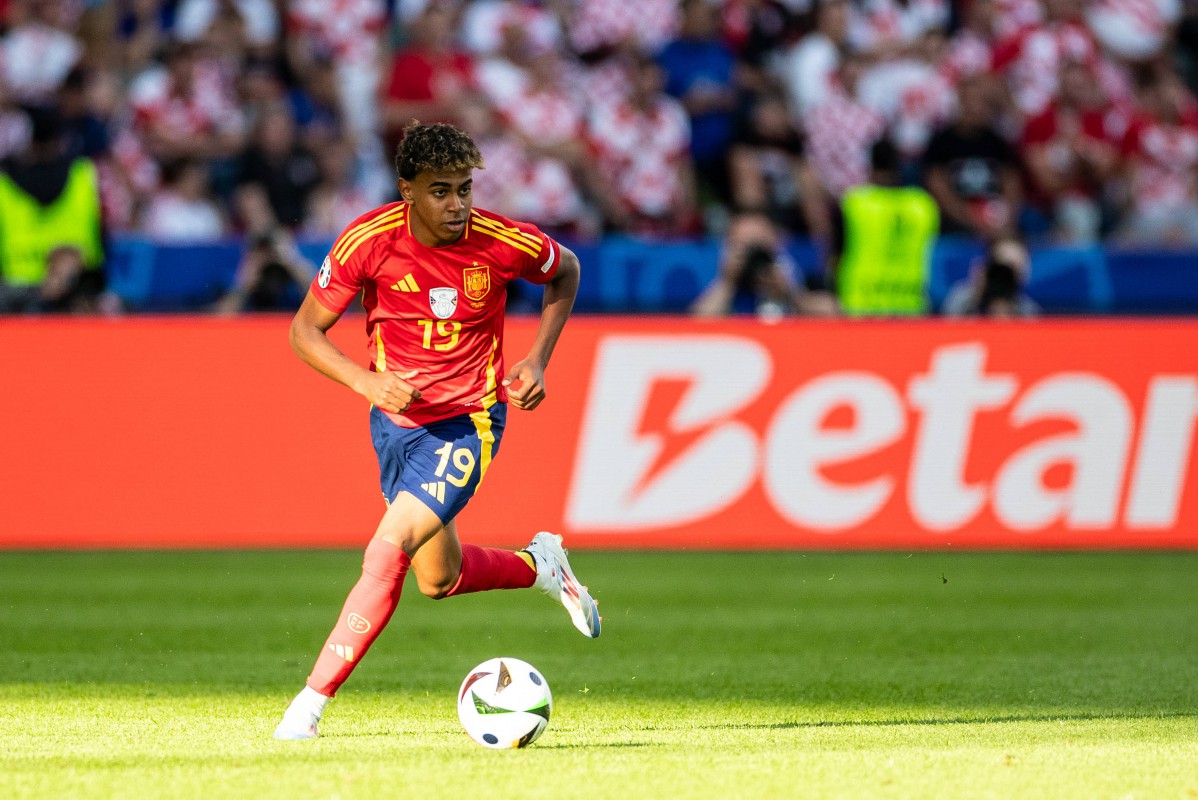
From a technical perspective, players from these three countries each have their unique strengths. Spanish players are renowned for their precise passing and delicate footwork, with their short-passing combinations being truly artistic. German players focus more on physical confrontation and tactical execution, with each position showing strong discipline. Although Japanese players may not have physical advantages, their speed and technical awareness are exceptional.
Tactical Philosophy Differences
| Country | Main Tactical Style | Core Characteristics |
|---|
| Spain | Possession-based | Short passing, rhythm control |
| Germany | High pressing | Physical confrontation, quick counter-attacks |
| Japan | Fast breakthrough | Technical fluidity, team coordination |
Although Spain’s tiki-taka tactics aren’t as popular as during their peak period, the possession philosophy remains deeply ingrained in [Spanish players in Japan]. Germany’s collective approach and execution are impressive, with every player accurately understanding the coach’s intentions. The Japanese team puts tremendous effort into technical details, with their passing accuracy and positional awareness being remarkable.
Youth Development System Comparison
From a youth development perspective, Spain’s La Masia and other academies have produced countless technical players. Germany underwent major youth system reforms after the 2006 World Cup, and now their young players are well-balanced in both technique and physicality. Japan’s J-League youth training emphasizes fundamental skills, which explains why Japanese players have such solid technical foundations.
Future Development Trends
Personally, I believe modern football increasingly values versatility. Spanish players need to strengthen physical confrontation, German players should enhance technical finesse, and Japanese players must continue breaking through in physical conditioning. Players from all three countries are learning from each other, and this fusion trend greatly benefits world football development.
As an ordinary fan observing Japanese players’ Spanish training, we can learn much from these different styles. Whether it’s Spain’s passing artistry, Germany’s tactical discipline, or Japan’s technical dedication, all deserve our appreciation and reflection. What style do you think is most suitable for modern football?
