Spanish Super League Player Statistics Analysis
While researching the Spanish Super League recently, I discovered some interesting data. As one of Europe’s top five leagues, La Liga’s player configuration has always been a focal point for fans. Today I’ll share some statistical data about La Liga player numbers with you, including insights from Spanish players summer league.
Overall Player Count Overview
According to the latest statistics, the 20 teams in the Spanish Super League have a total of approximately 550-600 registered players. This figure is at a moderate level among major European leagues. Each team averages 27-30 players, a configuration that ensures competitive standards while controlling operational costs.
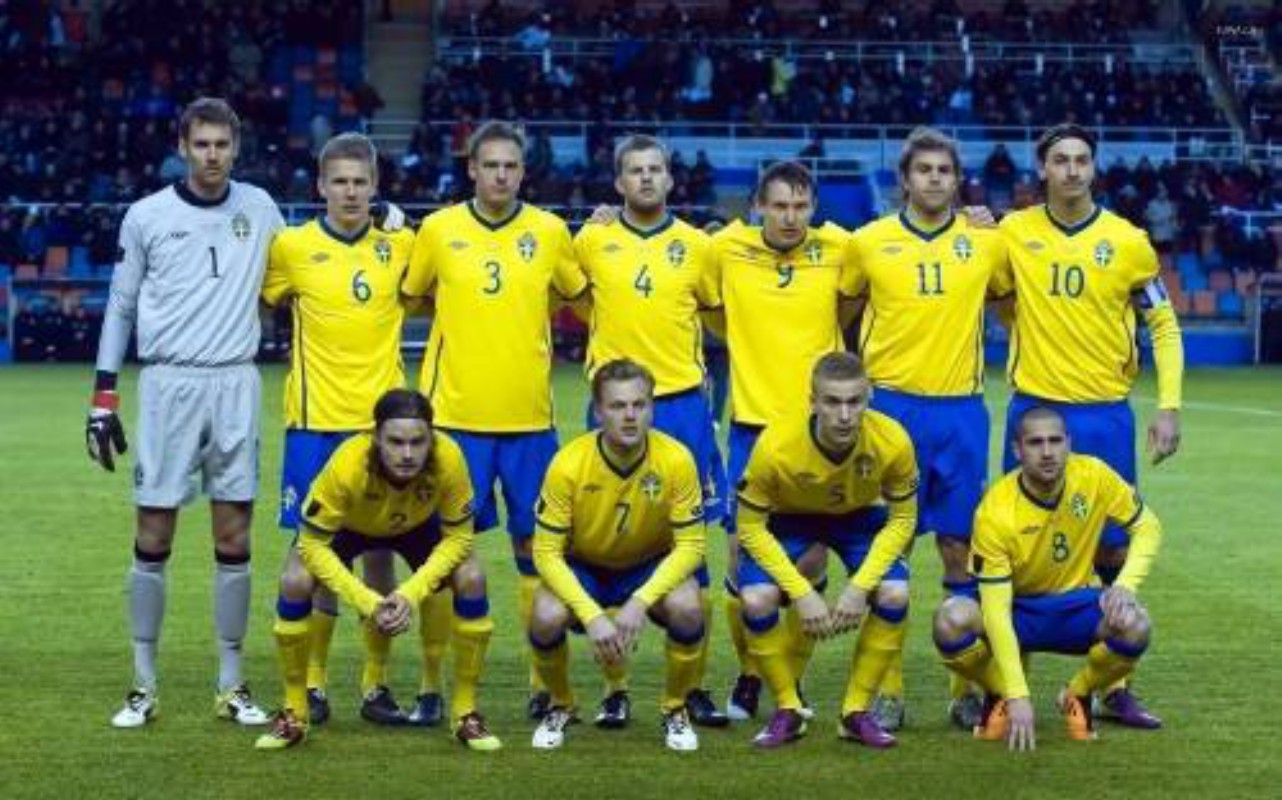
Player counts vary significantly between teams. Elite clubs like Real Madrid and Barcelona typically maintain squads of 28-32 players, while smaller clubs may have only 22-25 players. This difference mainly stems from varying economic strength and tactical requirements.
Player Distribution by Position
From a positional distribution perspective, La Liga teams maintain relatively balanced configurations. Here’s the typical team position breakdown:
| Position | Average Count | Percentage |
|---|
| Goalkeepers | 3 players | 11% |
| Defenders | 8-9 players | 32% |
| Midfielders | 9-10 players | 36% |
| Forwards | 5-6 players | 21% |
This configuration reflects modern football’s emphasis on midfield control. Most La Liga teams invest more human resources in midfield positions, which aligns with Spanish football’s technical style tradition.
Youth Academy Player Ratio Analysis
La Liga places high importance on local youth development. Statistics show that each team averages 6-8 players from their own youth academy systems. This ratio is relatively high among European leagues, reflecting Spanish football’s long-term planning for talent development.
Particularly clubs like Athletic Bilbao, which almost entirely relies on players from the Basque region, maintain a relatively stable squad size of 25-27 players due to this unique policy. Real Sociedad, Sevilla, and other clubs also have excellent youth development traditions.
Through this data from Spanish league scores, we can see that La Liga maintains competitive standards in player count configuration while showcasing individual characteristics. For those of us fans living in Spain, understanding these Spanish players statistics helps us better understand and appreciate La Liga matches. Which team’s player configuration interests you most?
