As a football enthusiast who has lived in Spain for many years, I have always been fascinated by the subtle relationships between Messi and Spanish players. Recently, while revisiting Messi’s years at Barça, I discovered some interesting details that I’d like to share with you regarding my observations on Messi versus Spain.
Dressing Room Divisions
Although Messi played for Barcelona for many years, he always represented the Argentine national team. This dual identity indeed created some awkward moments at certain key times. Particularly during the 2010 World Cup, when Barça’s squad included multiple Spanish internationals, including core players like Xavi, Iniesta, and Puyol. According to some internal sources, Messi’s relationships with his teammates were indeed somewhat delicate during that period.
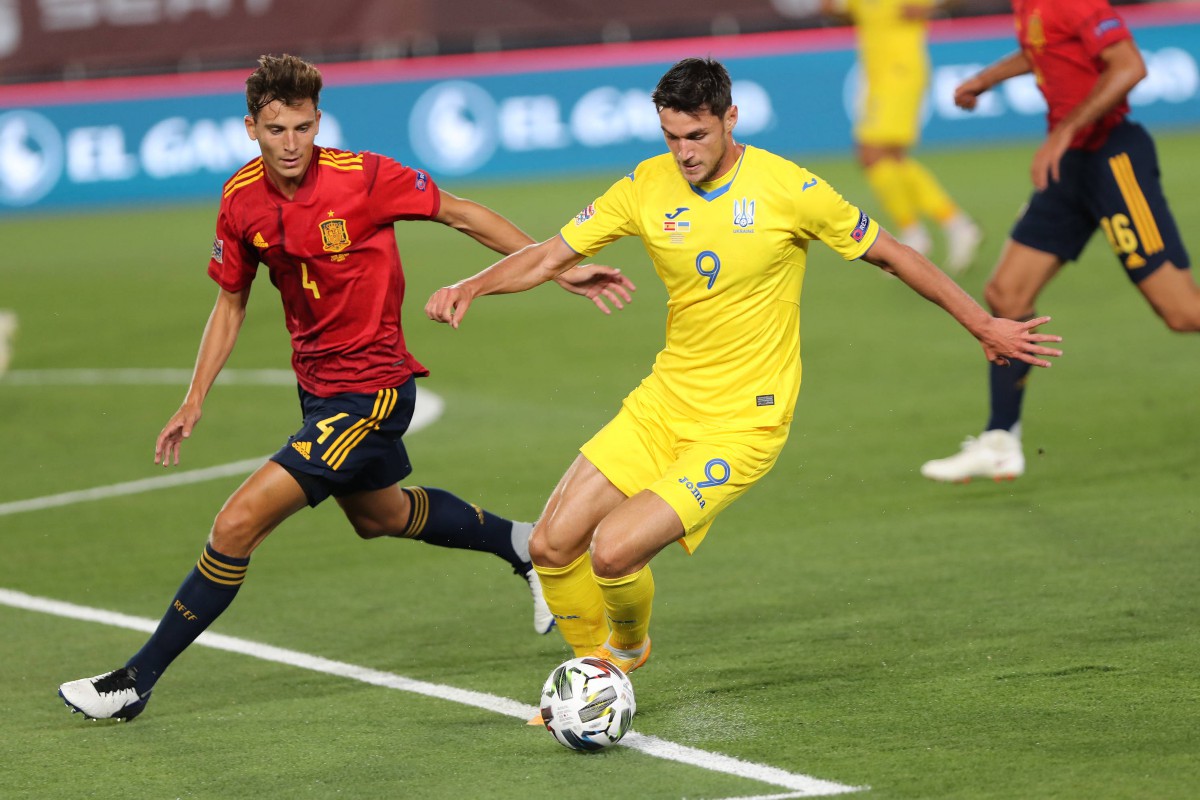
The most obvious example was the 2010 World Cup semi-final, when Argentina was eliminated 4-0 by Germany, while Spain ultimately won the championship. Upon returning to Barça, Messi faced teammates celebrating their World Cup victory - one can imagine the complex emotions he must have felt.
Specific Event Analysis
Let’s examine some specific data and events regarding Spanish player transfers:
| Year | Event | Impact Level |
|---|
| 2010 | Spain wins World Cup | High |
| 2012 | Spain defends European Championship | Medium |
| 2014 | Argentina reaches World Cup final | High |
Before the 2014 World Cup final, there were reports that Messi had made some less than friendly comments about Spanish football style to his teammates. While the authenticity of these reports remains questionable, they certainly reflected the tense atmosphere at the time.
The complexity of dressing room politics wasn’t limited to international competition periods. During daily training, Messi sometimes had disagreements with Spanish players due to tactical differences. Particularly, his ideological differences with Xavi regarding midfield organization occasionally led to minor friction.
Reconciliation and Understanding
However, as time passed, these differences gradually resolved. Messi himself expressed respect for his Spanish teammates on multiple occasions. Those rumors about serious conflicts were mostly proven to be media exaggerations.
In reality, Messi maintained good friendships with players like Iniesta and Puyol. The “betrayal” between them was more about Messi’s influence on Spanish football media hype rather than actual problems. Competition on the football field is one thing, personal relationships are another.
