Technical Style Comparison Analysis of Portuguese and Spanish Midfield Players
As two football powerhouses on the Iberian Peninsula, Portugal and Spain demonstrate distinctly different stylistic characteristics in the development and utilization of midfield players. Despite their geographical proximity, the two countries have markedly different football philosophies, and these differences are particularly pronounced in midfield positions.
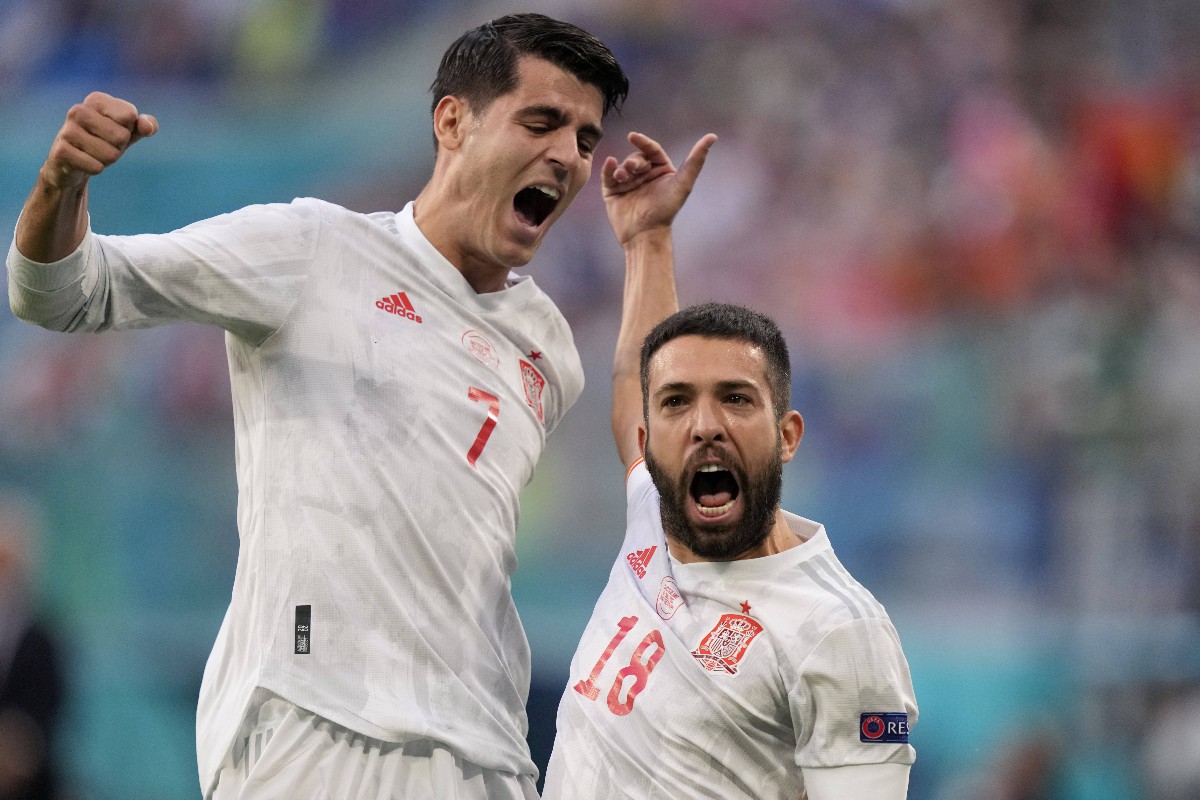
Technical Characteristics Comparison
Spanish midfield players are renowned for their precise passing and excellent ball control abilities. From Xavi and Iniesta to today’s Pedri and Gavi, Spanish midfielders have consistently maintained the tradition of short passing penetration. They focus on technical handling in tight spaces and excel at breaking through opponent defenses through continuous short passing combinations, as demonstrated by Portuguese players. In contrast, Portuguese midfield players place greater emphasis on individual breakthrough and long-range passing abilities. Players like Ruben Neves and Bruno Fernandes can both organize attacks and pose long-range shooting threats.
| Characteristics | Spanish Midfielders | Portuguese Midfielders |
|---|
| Passing Style | Short passes primarily | Long and short combined |
| Technical Features | Precise ball control | Strong breakthrough ability |
| Tactical Role | Organizational core | Attack-defense transition |
| Physical Attributes | Technical type | All-around type |
Tactical System Differences
In tactical application, Spain tends to control match tempo through [Spanish Portuguese player comparison] midfield intensive passing control, requiring their midfield players to possess extremely strong passing vision and off-ball movement awareness. Portugal’s midfield setup is more flexible and varied, featuring both deep-lying playmakers responsible for organization and attacking midfielder-type players skilled at forward runs and scoring, making their overall tactics more three-dimensional.
Youth Development Philosophy
Differences in youth development systems between the two countries directly influence midfield player characteristics. Spain’s La Masia academy emphasizes cultivating players’ passing awareness and team coordination abilities from an early age, while Portuguese youth development focuses more on developing individual technique and physical attributes. These differences result in Spanish midfield players excelling in team coordination, while Portuguese midfield players stand out in individual capabilities.
Judging from recent performances, both different midfield styles have achieved excellent results. Spain won the 2010 World Cup and the 2008, 2012 European Championships through exquisite midfield control, while Portugal also proved the effectiveness of their midfield system in the 2016 European Championship and 2019 Nations League. The coexistence of these two styles perfectly exemplifies the diversified development of modern football, as seen in Portuguese Spanish players.
