Brazilian-Spanish Players: The Perfect Fusion of Two Football Cultures
While watching La Liga matches recently, I suddenly realized that many players on the field actually have Brazilian heritage but represent the Spanish national team. This phenomenon sparked my curiosity, so I delved deeper into understanding Brazilian players transferring to Spain and these players with dual heritage.
Historical Background and Immigration Wave
In the latter half of the 20th century, large numbers of Brazilians migrated to Spain for economic reasons, particularly settling in major cities like Madrid and Barcelona. The descendants of these immigrants were born and raised in Spain, naturally acquiring Spanish citizenship. At the same time, they inherited their parents’ Brazilian football genes, forming a unique technical style.
Technical Characteristics Analysis
Brazilian-Spanish players typically possess the following traits: excellent ball control skills, flexible body coordination, and Brazilian-Spanish player comparison creative match thinking. They maintain the samba style of Brazilian football while incorporating the tactical discipline of Spanish football.
| Technical Aspect | Brazilian Style | Spanish Style | Fusion Effect |
|---|
| Passing | Highly creative | High precision | Both accurate and imaginative |
| Dribbling | Flashy skills | Practical focus | Balance of technique and efficiency |
| Shooting | Power-based | Sharp angles | Diverse attacking methods |
Representative Player Cases
Players like Diego Costa are typical examples - born in Brazil but choosing to play for the Spanish national team. There’s also Rodrigo Moreno, who despite playing in Brazil for many years, ultimately returned to the Spanish football system. The success of these players proves the limitations of single football culture and demonstrates the advantages of multicultural backgrounds, as discussed in how Spanish players view Brazilian football.
Contributions to Spanish Football
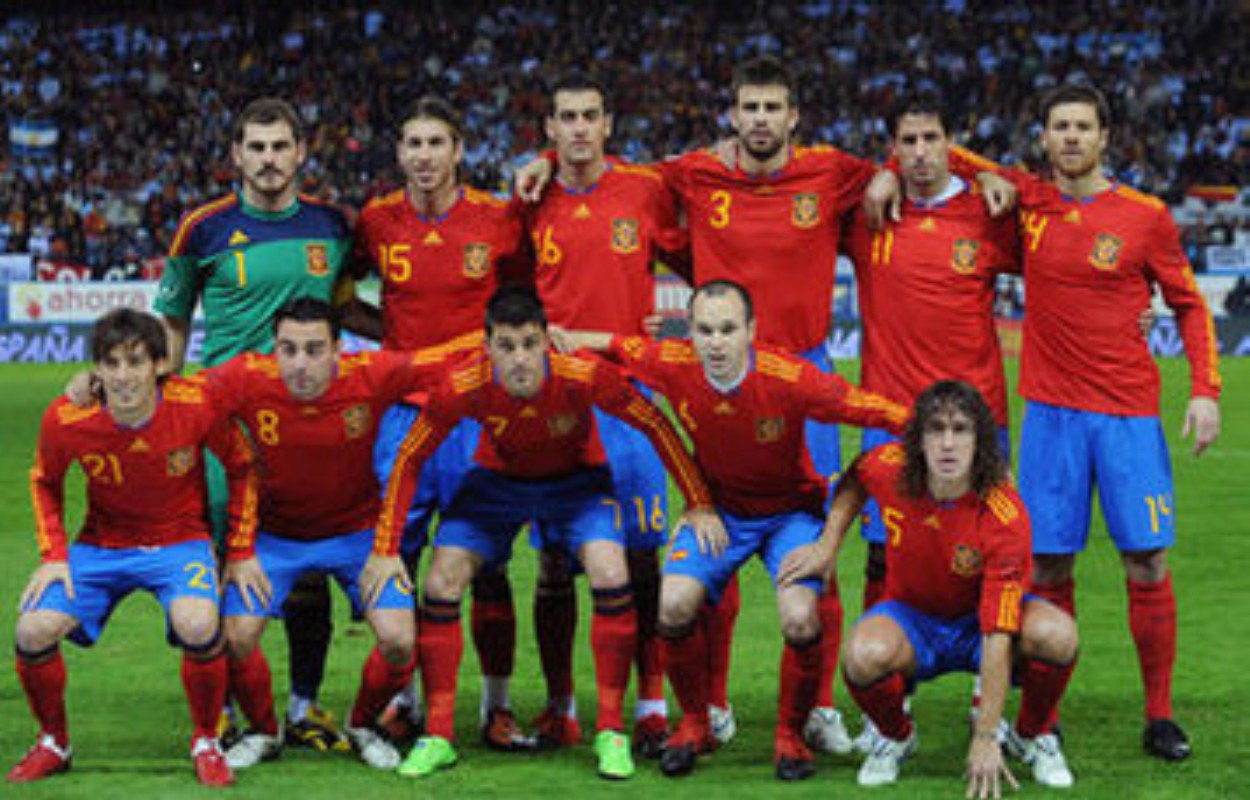
These Brazilian-heritage players have injected new vitality into Spanish football. They not only perform excellently at club level but also play important roles in the national team. During the 2010 World Cup, several Brazilian-heritage players contributed to Spain’s championship victory.
In the long term, this cultural fusion will continue to drive the development of Spanish football. The younger generation of Brazilian-Spanish players are growing up in youth academies at all levels, and they will be an important force in the future of Spanish football. This diversified talent pool allows Spanish football to maintain its traditional advantages while adapting to modern football development trends.
