The recent conflict between French and Spanish players on European football fields has once again drawn attention to the issue of football violence. As a long-time follower of European football, I’d like to share some personal insights.
Event Background Analysis
Such conflicts are not isolated incidents. France and Spain, as European football powerhouses, have players with distinctly different technical styles and match philosophies. French players typically emphasize physical confrontation and speed, while Spanish players prefer technical play and possession-based tactics. When these two styles clash in intense matches, friction is inevitable, as seen in French player transfers to Spanish leagues.
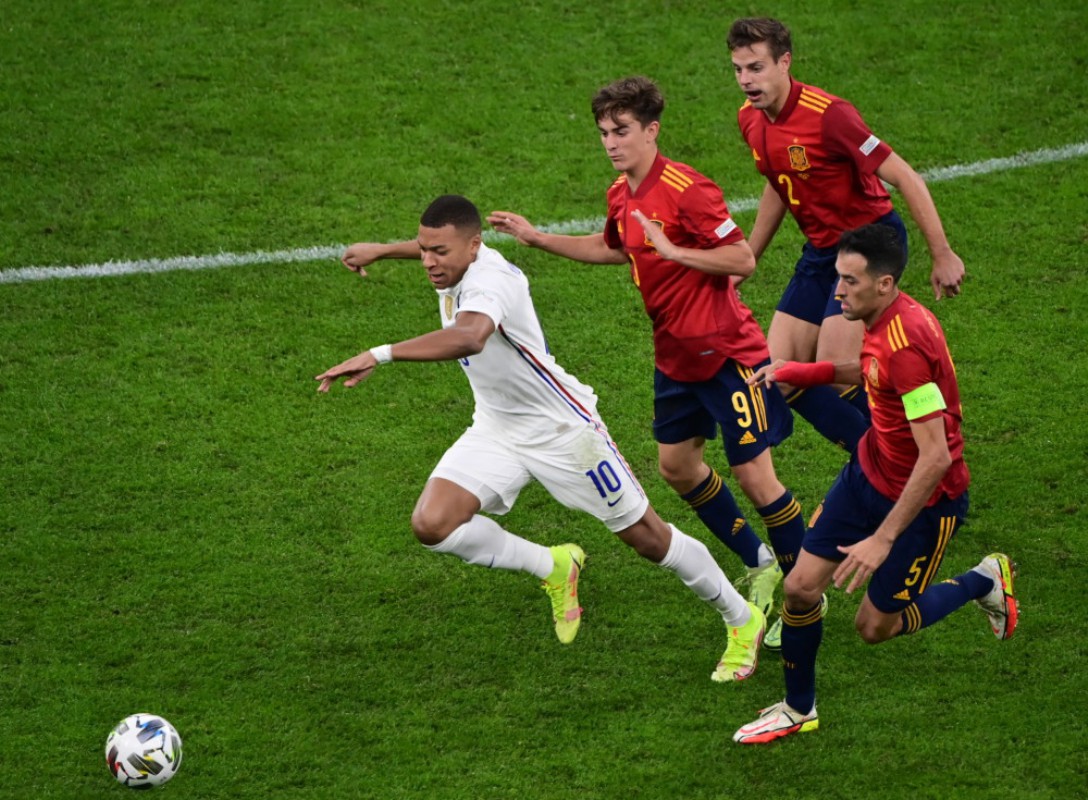
From historical data on [French vs Spanish player comparisons], the confrontation records between French and Spanish players are noteworthy:
| Match Type | Conflict Count | Main Causes |
|---|
| European Championship | 3 times | Tactical foul disputes |
| World Cup | 2 times | Unfair referee decisions |
| Club competitions | 8 times | Personal grudges |
Impact of Cultural Differences
We must acknowledge that cultural background plays an important role in such conflicts. French football culture is more direct and aggressive, with players expressing emotions on the field in a more outward manner. In contrast, while Spanish players are technically refined, they also react intensely when faced with rough fouls.
This difference is reflected not only in playing styles but also in players’ educational backgrounds and growth environments. French youth training focuses more on physical fitness development, while Spain emphasizes technical training.
Media Reporting Bias
It’s worth noting that media from different countries report the same incident from completely different angles. French media often emphasize Spanish players’ “acting” and “exaggerated reactions,” while Spanish media criticize French players’ “roughness” and “unprofessionalism.” This reporting bias further exacerbates the antagonistic emotions between fans of both countries.
As observers analyzing [starting players], we should maintain an objective attitude and not be influenced by media-fueled emotions. Every player has their own playing style and way of expression; the key is to compete within the rules.
Future Considerations
Simple suspension penalties cannot fundamentally solve the problem. UEFA and national football associations need to address this from an institutional level, strengthening education on player behavioral norms while improving referee training systems to ensure match fairness.
Improving fan culture is also crucial. We should promote rational viewing, support fair competition, rather than blind nationalist emotions. Football should be a bridge connecting different cultures, not a tool for creating division.
