As someone who has lived in Spain for many years and is passionate about football, friends often ask me about the actual number of players in Spanish youth academies. This seemingly simple question actually involves every aspect of Spain’s entire football system. Today, I’d like to share what I know about [Spanish youth academy players] and the current situation I’ve learned about [Barcelona’s youth academy].
Top Club Youth Academy Scale
Let’s start with the most familiar elite clubs. Barcelona’s La Masia youth academy currently houses approximately 300 players, ranging from 8 to 18 years old. Real Madrid’s youth system operates on a similar scale, with roughly 280-320 players. Other clubs like Atletico Madrid, Sevilla, and Valencia have slightly smaller youth academies, typically maintaining between 150-200 players.
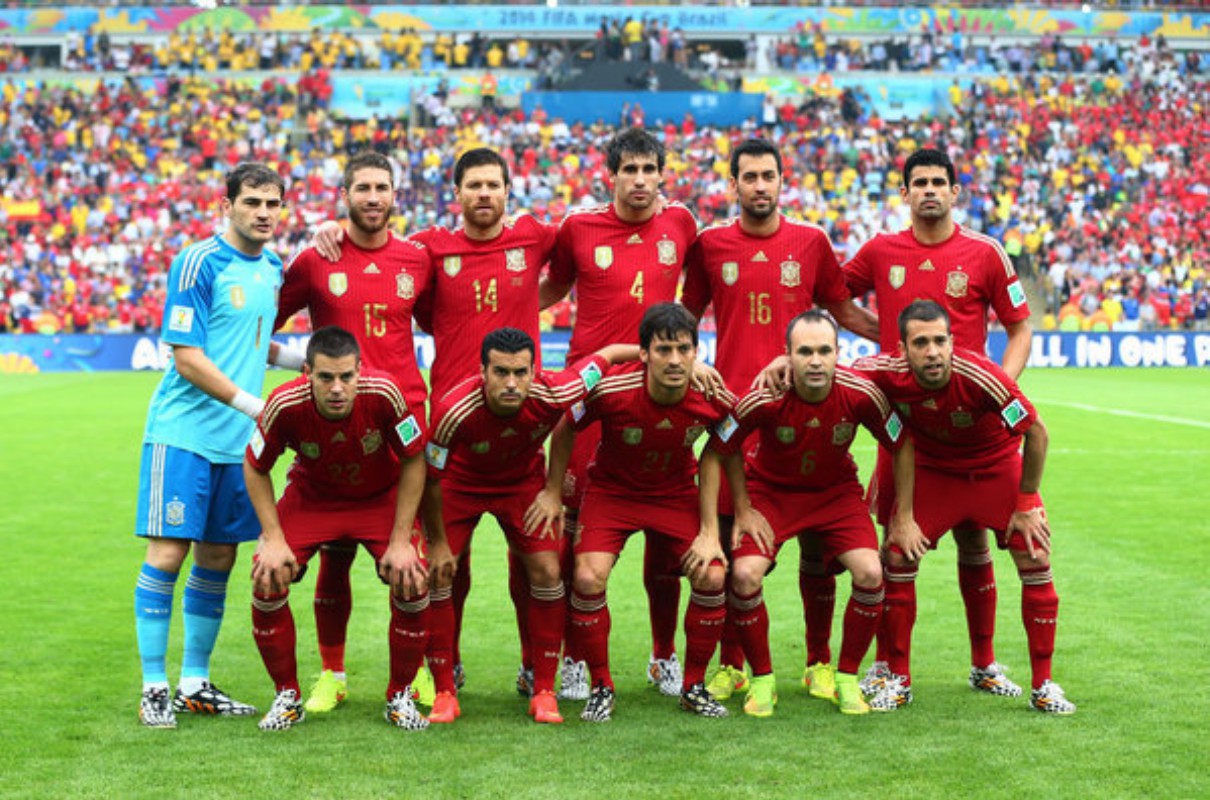
These numbers might not seem particularly massive, but it’s important to understand that these are rigorously selected elite players. Thousands of children participate in club trials each year, with only the cream of the crop ultimately making it into the youth academies.
Distribution Across Different Youth Levels
Spain’s entire youth academy system follows a pyramid structure. According to Spanish Football Federation data, the national distribution is approximately:
| Level | Number of Clubs | Approximate Players |
|---|
| Professional Club Youth | 42 clubs | 8,000-10,000 players |
| Semi-Professional Club Youth | 200+ clubs | 25,000-30,000 players |
| Amateur Club Youth | 1,500+ clubs | 150,000+ players |
This table demonstrates that Spain’s youth academy coverage is remarkably extensive. Even the most grassroots amateur clubs maintain their own youth teams.
National Team Youth Development
Spain’s national team youth levels are also a crucial component of the academy system. From U15 to U21, each age group selects approximately 25-30 players for national team training squads. This means that at any given time, around 200 players are training within various national team youth levels.
It’s worth noting that these national team players are typically elite among the elite, selected from various club youth academies. Making it into national team youth levels essentially means a strong chance of becoming a professional player in the future.
Regional Differences and Development Trends
Different regions in Spain show varying levels of youth academy development. Traditional football strongholds like Catalonia, Madrid, and Andalusia clearly have more youth academy players and generally higher quality programs, as discussed in Spanish youth academies. This is primarily because these regions have more professional clubs and more comprehensive youth training facilities.
In recent years, following Spain’s international football success, more and more families have begun prioritizing their children’s football education. Statistics show that over the past decade, the number of players participating in formal youth training has grown by approximately 30%. This growth trend is expected to continue.
Spain currently has approximately 180,000-200,000 players training within various levels of the youth academy system. While only a small fraction will ultimately become professional players, this massive foundation provides a solid base for Spanish football’s continued development. This also explains why Spain can maintain such strong competitiveness on the world football stage.
