As a football enthusiast who has lived in Spain for many years, I frequently have opportunities to watch matches at various youth levels, from regional leagues to national youth team competitions. Today I want to share some observations and thoughts about the characteristics of Spanish youth players.
Outstanding Technical Advantages
The most prominent feature of Spanish youth players is their refined technique, which is universally recognized worldwide. Whether it’s Barcelona’s La Masia academy or Real Madrid’s youth system, both place great emphasis on players’ fundamental skills training. I once watched a U16 match in the outskirts of Madrid, and the passing accuracy and ball control abilities of the players on the field were truly impressive. Even under high-intensity pressure, they maintained excellent technical execution.
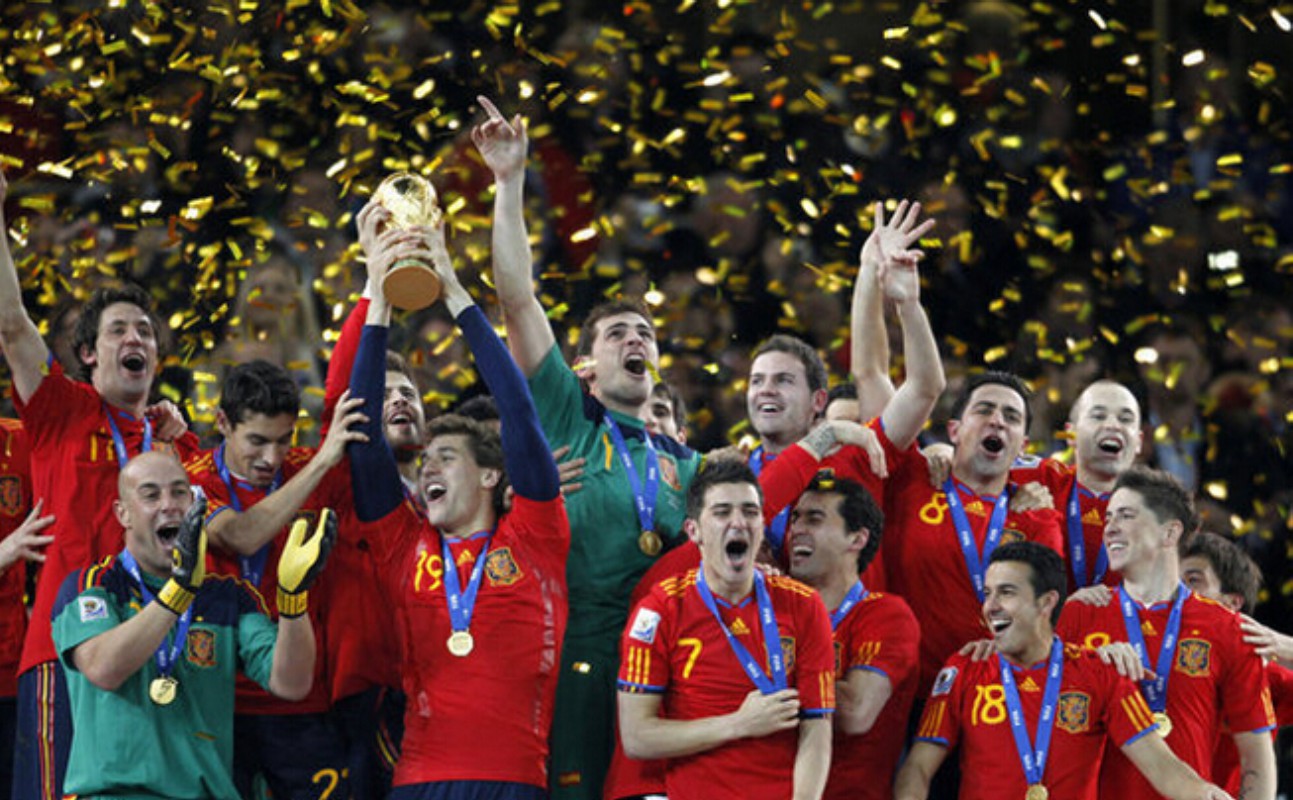
According to [Spanish youth players] statistics, Spanish youth players excel in various technical indicators:
| Technical Indicator | Spanish Youth Training | European Average |
|---|
| Pass Success Rate | 89.2% | 82.1% |
| Ball Possession Time | 65.3% | 58.7% |
| Technical Foul Rate | 12.4% | 18.9% |
Exceptional Tactical Understanding
Another aspect that impressed me is these young players’ tactical execution ability. Spain’s youth system begins cultivating players’ tactical awareness from a very young age, unlike some countries that focus solely on physical development. I remember watching a youth team match in Valencia where the young players on the field showed excellent coordination and strong positional awareness. This kind of tactical cultivation truly requires long-term systematic training.
Obvious Physical Disadvantages
However, Spanish youth players also have some notable weaknesses. The most prominent is their relatively weak physical confrontation ability. This issue becomes particularly evident when facing peers from Nordic countries or England. I once watched Spain U19 against Norway U19, where Spanish players clearly had the technical advantage, but struggled in physical duels and aerial battles.
The Dual Nature of Mental Qualities
From a psychological perspective, Spanish youth players display clear duality. On one hand, they are very confident in technical display and creativity, daring to attempt various technical moves on the field. On the other hand, when facing high-intensity physical confrontations, some players tend to show [Barcelona youth training] hesitation. This may be related to Spanish football culture’s greater emphasis on technical beauty, but in modern football’s increasingly physical context, this is indeed an area needing improvement.
Spain’s youth system truly excels in technical development and tactical education, but there’s still room for improvement in physical conditioning and mental resilience training. This also explains why the Spanish Football Federation has begun placing greater emphasis on fitness training and psychological counseling in recent years. As fans, we certainly hope to see these talented young players maintain their technical advantages while addressing their weaknesses, contributing more strength to the future of [Spanish youth training].
