Recently while watching La Liga matches, I suddenly thought of an interesting question: Are there any Korean-born players who have obtained Spanish nationality in the Spanish national team or La Liga? This topic is quite fascinating and I’d like to discuss it with everyone.
Overview of Spanish Nationality Policy
Spain’s nationality law is relatively strict, but there are some special circumstances. According to Spain’s Civil Code, foreigners can obtain Spanish nationality through several ways: residing for 10 years, marrying a Spanish citizen, or being born in Spain. For professional athletes, Spain dismisses Korean player cases show that if they can prove special connections with Spain, the residence time for Spanish Korean football players might be shortened.
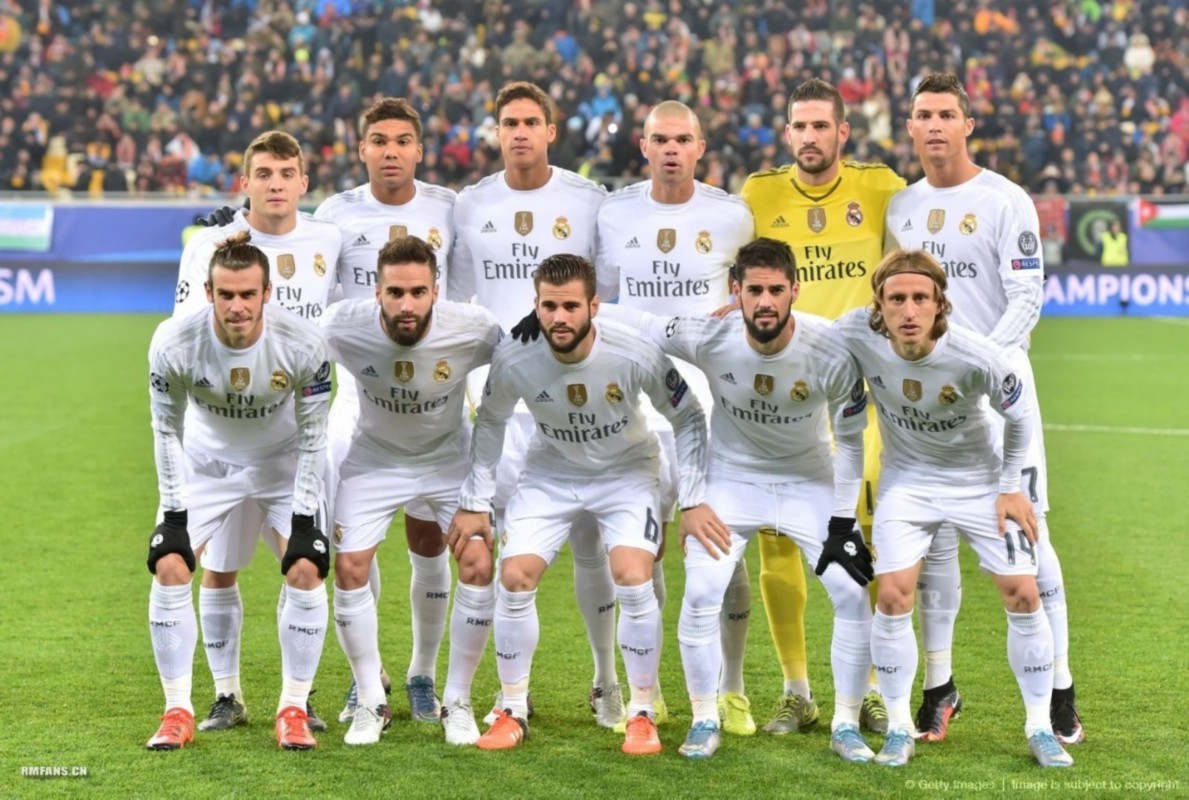
Currently, there are indeed no obvious Korean-heritage players in the Spanish football team. However, this doesn’t mean it’s completely impossible, as Spain’s immigration policies have undergone considerable changes over the past few decades.
Distribution of Korean Players in Europe
Let’s look at the distribution of Korean players in major European leagues:
| League | Number of Korean Players | Representative Players |
|---|
| Premier League | 2-3 | Son Heung-min |
| Bundesliga | 1-2 | Lee Jae-sung |
| Serie A | 1 | Kwon Chang-hoon |
| La Liga | 0-1 | Lee Kang-in |
From this table, we can see that Korean players indeed have a weak presence in La Liga. Although Lee Kang-in once played for Valencia, he chose to represent the Korean national team.
Complexity of Dual Citizenship
Here’s an important issue to mention: Korea, in principle, does not recognize dual citizenship. According to Korea’s Nationality Act, Korean citizens who obtain foreign nationality usually need to renounce their Korean citizenship. This creates a dilemma: Korean players wanting to represent Spain may need to give up their original nationality.
However, there are exceptions, such as Korean descendants born overseas or those who receive exemptions due to special contributions. But for professional football players with Korean player contracts, such situations are relatively rare.
Future Possibilities
Although there are currently no Korean-heritage players in the Spanish team, with the development of globalization and changes in immigration policies, such situations may emerge in the future. Especially if young Korean players grow up in Spain from an early age and are developed through the youth training system, obtaining Spanish nationality and representing Spain is possible.
Overall, Spain currently has no clear cases of Korean players obtaining nationality, but this topic involves complex legal and sports policy issues that deserve our continued attention. What are your thoughts on this topic? Feel free to leave comments and discuss below!
