Recently while analyzing European Championship and World Cup match data, I discovered that the running performance of [Iberian midfield players] from Portugal and Spain is truly fascinating. Despite being neighboring countries, both teams have completely different tactical styles, which is clearly evident from their players’ running data.
Overall Running Distance Comparison
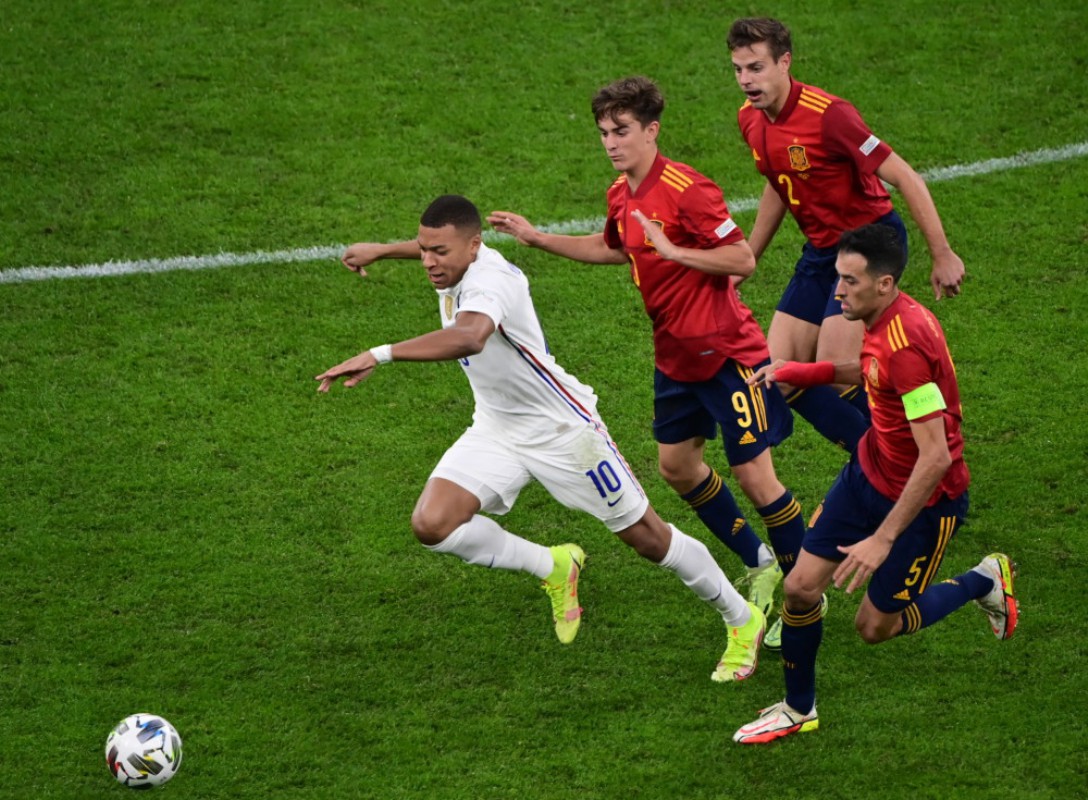
Based on statistics from recent major tournaments, Spanish players’ average running distance is significantly higher than Portugal’s. Spanish team players average around 10.8 kilometers per match, while Portugal averages approximately 9.6 kilometers. This difference is mainly reflected in midfield players, as Spain’s possession-based style requires midfielders to constantly move to provide passing options, while Portugal relies more on individual ability and direct passing.
Running Characteristics by Position
Both teams show clear differences in running distribution across different positions. Here’s a simple comparison:
| Position | Portugal Average Running | Spain Average Running |
|---|
| Forward | 8.9 | 9.4 |
| Midfield | 11.2 | 12.8 |
| Defense | 8.1 | 9.1 |
| Goalkeeper | 4.2 | 4.5 |
The table shows that Spanish players in all positions have higher running distances, with the midfield position showing the largest gap. This reflects Spain’s greater emphasis on collective movement and coordination.
Interestingly, although Portugal’s overall running distance is lower than Spain’s, their number of sprints in key areas is considerable. This indicates Portugal focuses more on efficiency, exploding at crucial moments rather than maintaining continuous high-intensity running. Cristiano Ronaldo is a typical example - his total running distance might not be the highest, but his sprints and positioning near the penalty area are extremely precise.
Tactical System’s Impact on Running Patterns
Spain’s tiki-taka tactics require players to constantly move to create passing spaces, so we see Spanish players’ running more evenly distributed throughout the 90 minutes. Portugal’s tactics revolve more around several core players, with other [Portuguese players] having more targeted running patterns. This difference is also reflected in [Spain Portugal player comparison] physical distribution.
This difference is also evident in stamina allocation. Spanish players need to maintain relatively stable running intensity throughout the match, while Portuguese players can reduce running intensity during certain periods and then sprint at full capacity during key moments. From the data, Portuguese players show greater fluctuation in running intensity, while Spanish players maintain more stable running curves.
