Moroccan Players’ Performance in Spanish Football
In recent years, an increasing number of Moroccan players have chosen to develop their football careers in Spain. From youth academies to professional leagues, these North African players are making their mark in Spanish football. They not only bring the unique technical style of Moroccan Spanish players, but also inject new vitality into Spanish football.
Historical Development Trajectory
The history of Moroccan players entering Spanish football can be traced back to the 1990s. At that time, due to geographical proximity and historical cultural connections, many young Moroccan players began to pay attention to football development opportunities in Spain. Over time, this trend has become increasingly evident.
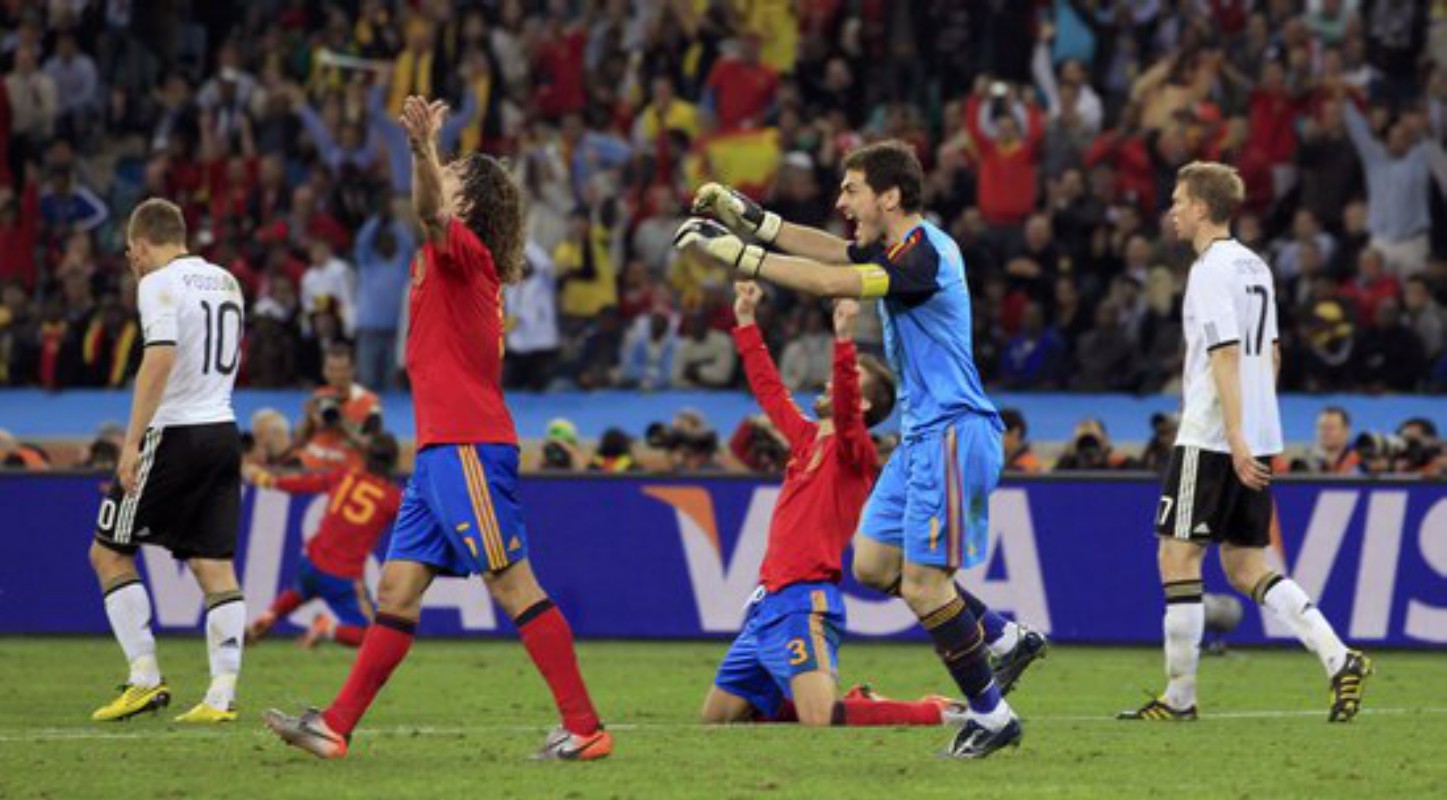
Current League Performance Analysis
Currently, the number of Moroccan players active in various levels of Spanish leagues is considerable, as shown in the Spanish Moroccan player comparison. From La Liga to Segunda Division, and regional leagues, their presence can be seen everywhere. These players have excellent performances in different positions, particularly showing unique creativity and technical ability in midfield and forward positions.
| League Level | Number of Moroccan Players | Main Positions |
|---|
| La Liga | 15-20 players | Midfield, Forward |
| Segunda Division | 25-30 players | All positions |
| Segunda B | 40-50 players | Defense, Midfield |
Cultural Integration and Adaptation Process
For these Moroccan players, adapting to Spanish football culture and lifestyle is an important issue, as analyzed in Spanish player performance studies. Language barriers, tactical concept differences, and lifestyle variations all require time to overcome. However, most players have shown good adaptability, actively learning Spanish and integrating into local communities.
Future Development Prospects
Looking ahead, the development prospects for Moroccan players in Spanish football remain bright. With Morocco’s national team’s excellent performance on the international stage, more and more Spanish clubs are beginning to pay attention to this market. Meanwhile, dual nationality policies also provide more opportunities for some players, allowing them to decide which national team to represent based on their career planning.
This cross-cultural football exchange not only enriches the diversity of Spanish football but also provides valuable experience for the development of Moroccan football. We believe that in the coming years, we will see more outstanding Moroccan players shining in Spanish football.
