Recently while watching Bundesliga matches, I suddenly realized that German clubs actually have quite a few Spanish players. From technical midfield maestros to pace-driven wingers, these players from the Iberian Peninsula have all performed well in German football.
Spanish Elements at Bayern Munich
When talking about Spanish players in German clubs, Bayern Munich immediately comes to mind. This German powerhouse has a tradition of signing Spanish players. Thiago Alcântara demonstrated top-level passing technique and game-reading ability during his seasons at Bayern. Although he has now transferred to Liverpool, his performances at the Allianz Arena remain impressive to this day.
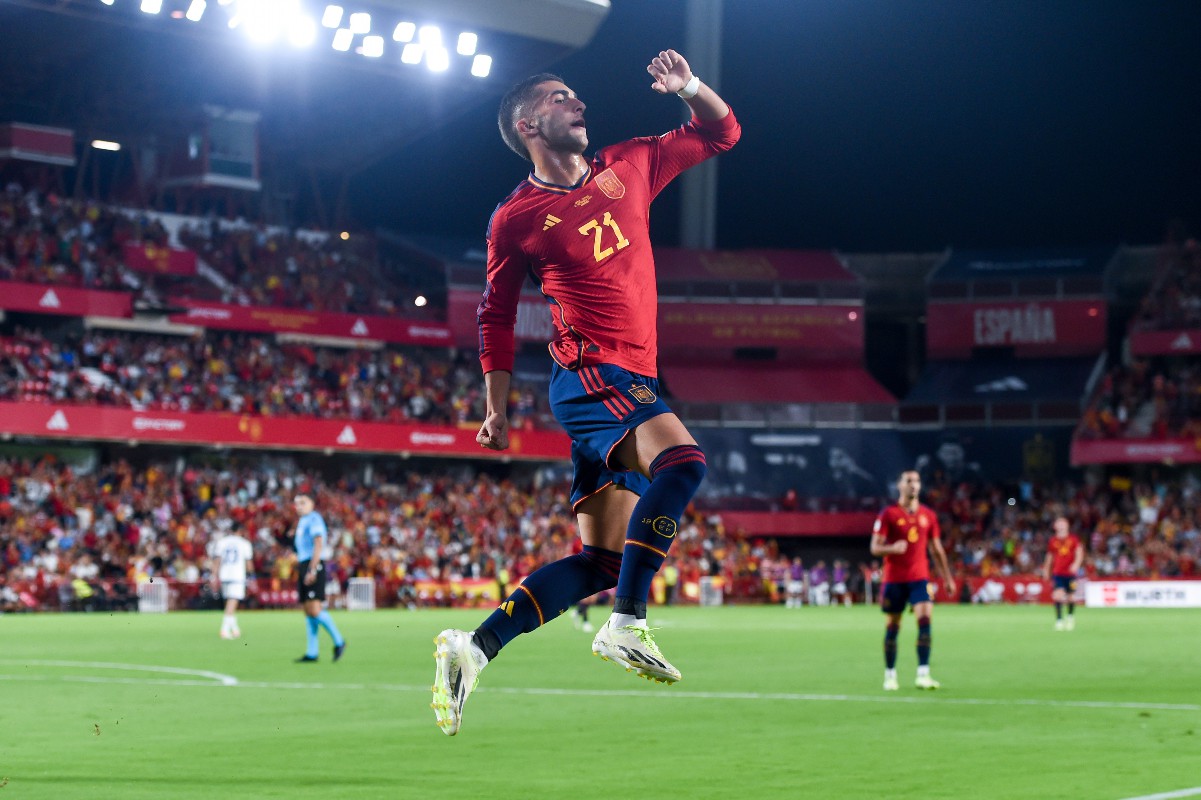
Currently in Bayern’s squad, although there aren’t many Spanish players, each one is a gem. Their technical characteristics integrate well into German football’s tactical systems, maintaining Spanish football’s finesse while adapting to the Bundesliga’s physical intensity.
Distribution of Spanish Players in Other Bundesliga Clubs
Besides Bayern, other Bundesliga clubs also feature Spanish players from Spanish player clubs. Borussia Dortmund, Bayer Leverkusen, Eintracht Frankfurt and other teams have previously used or are currently using Spanish players. These players typically possess the following characteristics:
| Position | Characteristics | Representative Player Type |
|---|
| Midfielder | Precise passing, broad vision | Technical organizer |
| Winger | Fast pace, strong breakthrough ability | Attacking winger |
| Defender | Refined footwork, accurate distribution | Modern defender |
The success of these Spanish players in the Bundesliga is largely due to their ability to quickly adapt to German football’s rhythm and intensity. German football emphasizes efficiency and discipline, while Spanish players’ technical advantages can perfectly function within this framework.
Cultural Integration and Tactical Adaptation
Interestingly, these Spanish players’ success in Germany isn’t just technical - it’s more about the fusion of cultural and tactical philosophies. The combination of German football’s rigor with Spanish football’s creativity often produces unexpected chemistry, much like what we see in Real Madrid youth academy development.
I used to think Spanish players were only suitable for La Liga or Serie A, but now it seems excellent players can shine anywhere. The Bundesliga’s high intensity and fast pace actually stimulate more potential in these Spanish players, as seen in various foreign player policies. They learn to enhance physical confrontation and match intensity while maintaining their technical advantages.
Future Development Trends
From transfer market trends, German clubs remain highly interested in Spanish players. This is mainly because players developed by Spain’s youth training system have high standards in technical foundation and tactical understanding. Moreover, compared to players from other leagues, Spanish players’ transfer fees are usually more reasonable, offering better value for money.
The topic of Spanish players in German clubs is quite fascinating. These players not only enrich the Bundesliga’s technical content but also contribute to football cultural exchange between both countries. I look forward to seeing more excellent Spanish players shine in German football in the future.
