As a football enthusiast who has lived in Spain for many years, I often have the opportunity to observe players from different countries performing on the pitch. In recent seasons, I have particularly focused on the technical characteristics of Argentine, Spanish, and British players, discovering very interesting differences between them. For insights into three-nation football stars, let me share my observations.
Distinctive Technical Style Contrasts
Argentine players generally possess outstanding individual technique and creativity. From Maradona to Messi, and now to Alvarez, they can always complete amazing technical moves in tight spaces. Argentine players’ dribbling and breakthrough abilities are world-class, which is inseparable from the skills they honed in street football from childhood. Spanish fans have particularly noted how [Spanish fans view Argentine players] in European competitions.
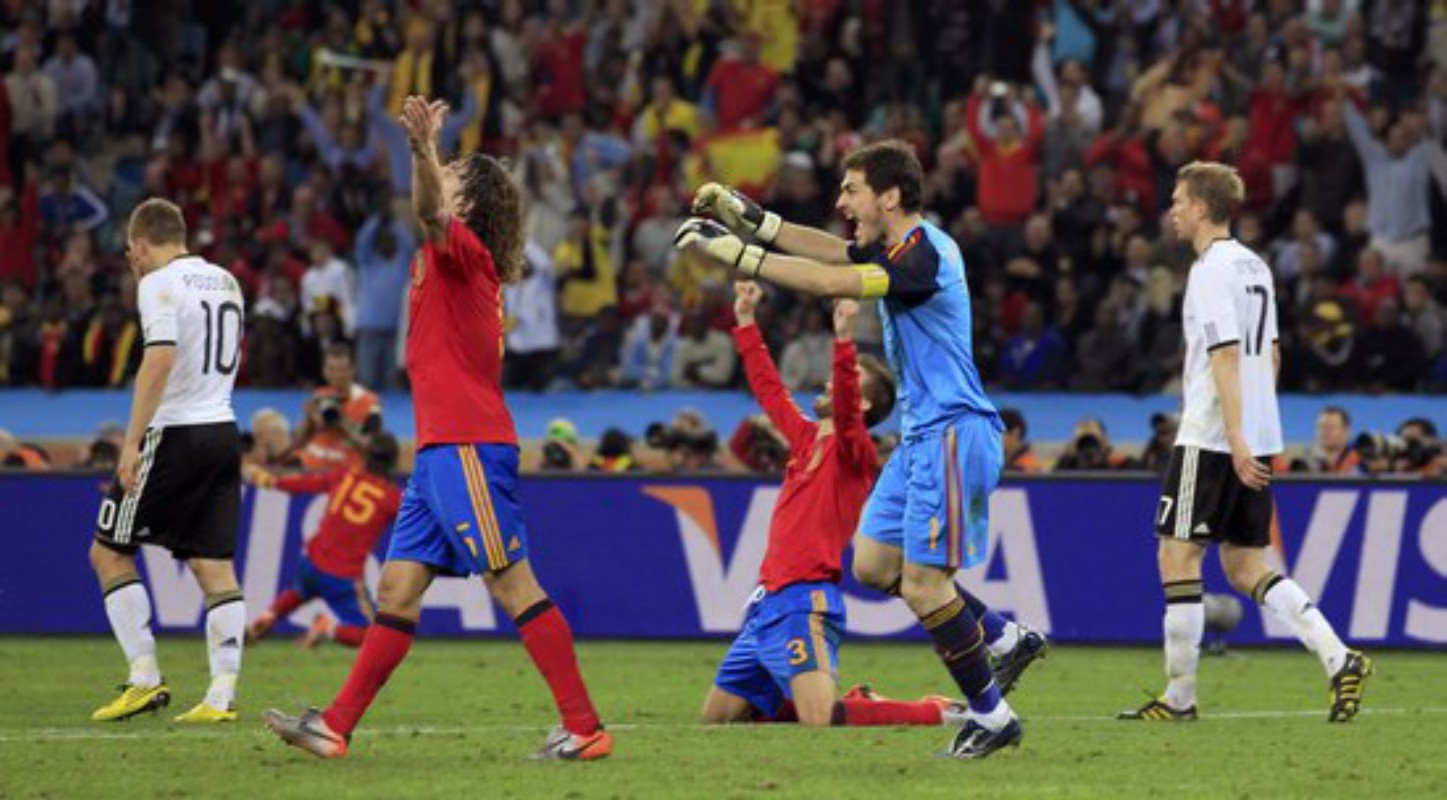
In contrast, Spanish players focus more on team coordination and possession-based technique. Iniesta and Xavi established the possession-based tone of Spanish football, and current young players like Pedri and Gavi continue this tradition. Their passing accuracy and game rhythm control abilities are impressive.
Physical Attributes and Tactical Understanding
British players have natural advantages in physical confrontation and match intensity. From Beckham to Kane, English players generally possess excellent physical qualities and tenacious match spirit. The high-intensity training of the Premier League has created their adaptability in fierce confrontations.
The following table summarizes the main characteristics of players from the three countries:
| Country | Technical Features | Physical Attributes | Tactical Style |
|---|
| Argentina | Outstanding individual technique | Agile and nimble | Individual breakthrough-focused |
| Spain | Precise possession play | Technical type | Team coordination |
| Britain | Well-rounded balance | Physically strong | Direct and effective |
Deep Cultural Background Influence
These differences largely stem from the different football cultures of each country. Argentina’s street football culture cultivates players’ creativity and improvisational abilities. Spain’s youth development system emphasizes technical details and tactical discipline. British football emphasizes physical confrontation and match intensity, a style that still holds important value in modern football.
From my experience watching matches in Spain, when players of these three different styles are in the same team, they often produce very interesting chemistry. For example, the combination of Real Madrid’s Bellingham, Modric, and previously Di Maria demonstrates the charm of different football cultures merging, as seen in [Argentina-Spain friendly match player analysis].
