Training Secrets of Spanish Football Players
As a football enthusiast who has lived in Spain for many years and experienced Spanish football, I have been fortunate to observe the training methods of many local players. The reason Spanish football has achieved such brilliant success on the world stage is inseparable from their unique training philosophy and technical style.
The Importance of Technical Foundation Training
Spanish football players have placed great emphasis on practicing fundamentals from a young age. Ball control, passing, and receiving - these seemingly simple movements are practiced thousands of times. In some youth academies in Madrid, I’ve seen 8-year-old players spend 2 hours daily specifically practicing inside-foot passing. This dedication to detail is truly impressive.
Tactical Understanding and Team Coordination
Compared to players from other countries, Spanish players focus more on team coordination rather than individual heroism. A significant portion of their training involves small-sided passing exercises, typically in 4v4 or 6v6 formats. This training method develops their excellent spatial awareness and quick decision-making abilities.
| Training Component | Time Allocation | Key Focus |
|---|
| Basic Skills Practice | 30% | Ball control, passing, shooting |
| Tactical Training | 40% | Positioning, coordination |
| Physical Training | 20% | Endurance, explosive power |
| Match Simulation | 10% | Practical application |
Mental Strength Development
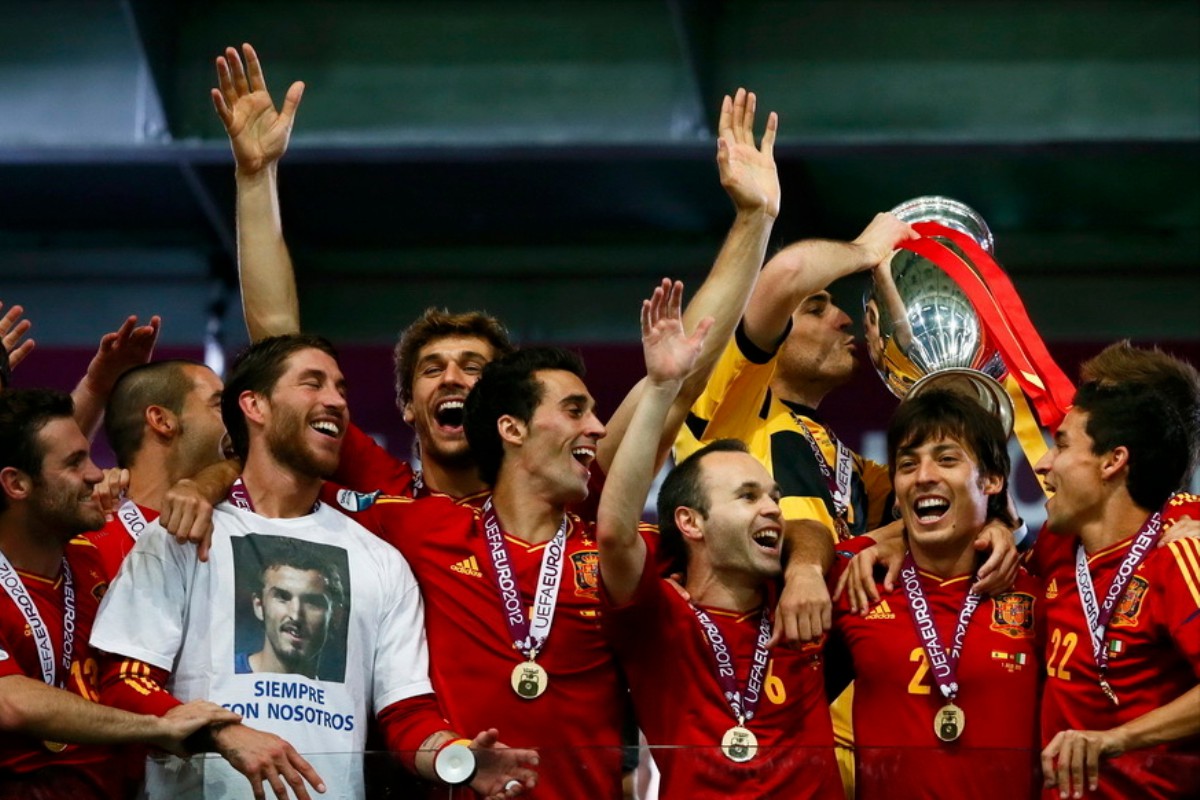
Mental strength occupies an important position in Spanish football education. Coaches often tell players to stay calm and stick to their playing style even when trailing. This psychological resilience was perfectly demonstrated during their victories in the 2010 World Cup and the 2008 and 2012 European Championships.
Comprehensive Youth Development System
Spain has one of the world’s most comprehensive youth development systems. From Barcelona’s La Masia to Real Madrid’s Castilla, these academies not only develop players’ technical abilities but also focus on cultivating their football intelligence and match-reading capabilities. Many players grow up in such environments from age 6, laying a solid foundation for their future professional careers.
Through observing and understanding Spanish football players’ training methods via [Spanish football experiences] and analyzing Japanese Spanish football players, we can see that success is no accident. Their pursuit of technical details, emphasis on team coordination, and comprehensive youth development system are all valuable experiences worth learning from.
