The Legendary Story of Spanish Football’s Number 10
In the glorious history of Spanish football, the number 10 jersey carries special significance. This number is not merely a digit, but represents the perfect combination of creativity, leadership, and football artistry. From early football pioneers to modern technical masters, Spain’s number 10 players have written the most spectacular chapters in football history with their talent.
The Classic Era’s Number 10 Heritage
Luis Suárez as the first true number 10 superstar in Spanish football history, demonstrated extraordinary technique and vision while playing for the national team and Barcelona in the 1960s. His passing artistry and game-reading ability set the benchmark for future Spanish number 10 players. Suárez’s influence was not only reflected on the pitch, but more importantly in establishing the technical tradition for Spanish football.
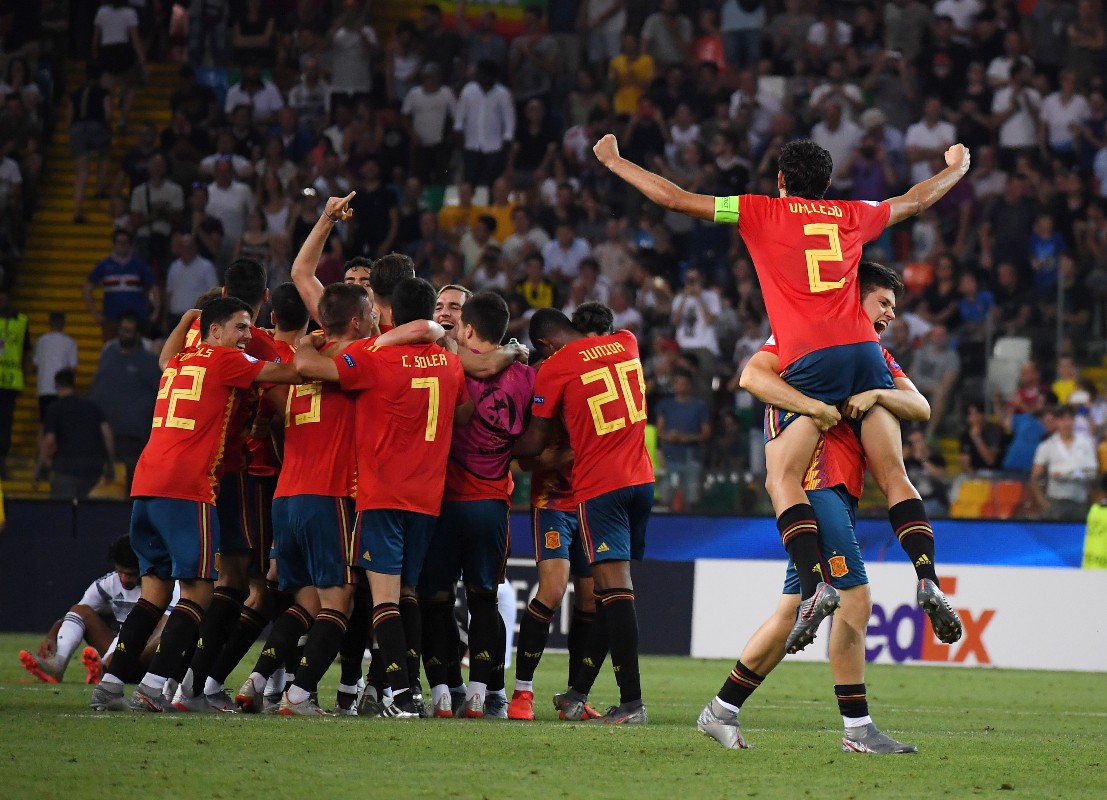
Technical Innovation of Modern Spanish Number 10s
Entering the 21st century, Spanish football welcomed its golden age. Although the national team’s number 10 jersey has been passed down multiple times, each player who wore this shirt displayed unique charm. They not only inherited the technical traditions of their predecessors, but also found new ways of expression within modern football’s tactical systems.
| Era | Representative Player | Main Achievements |
|---|
| 1960s | Luis Suárez | European Championship winner |
| 2000s | Raúl | Real Madrid legend |
| 2010s | Fàbregas | World Cup winner |
Club-Level Number 10 Culture
At Spain’s top clubs, the number 10 jersey also carries profound history. Both Real Madrid and Barcelona, these two giants, have their own number 10 traditions. Although sometimes this number remains vacant, when suitable players emerge, clubs always carefully entrust this sacred number to them.
The Number 10 Role in Tactical Evolution
With the continuous evolution of modern football tactics, the traditional number 10 position is also changing. From the classic attacking midfielder position to today’s more flexible playmaker role, Spanish number 10 players have always been able to adapt to the demands of their era. They are no longer confined to a fixed position, but have become the most important creators and organizers in their team’s attacking system, as exemplified by Spanish number 10 players.
The number 10 tradition in Spanish football will continue to be passed down, with each new generation of players injecting new vitality and meaning into this number. No matter how football develops, the status of the number 10 jersey in Spanish football culture will forever remain unshakeable.
