The Diversification Trend of the Spanish National Team
In recent years, the squad composition of the Spanish national team has undergone significant changes. An increasing number of players with foreign heritage or born abroad have joined La Roja, and this diversification trend is reshaping the face of Spanish football. From Ansu Fati to Ferran Torres, the inclusion of these players has not only enriched the team’s tactical options but also reflects the globalization characteristics of modern football.
Analysis of Key Players with Foreign Heritage
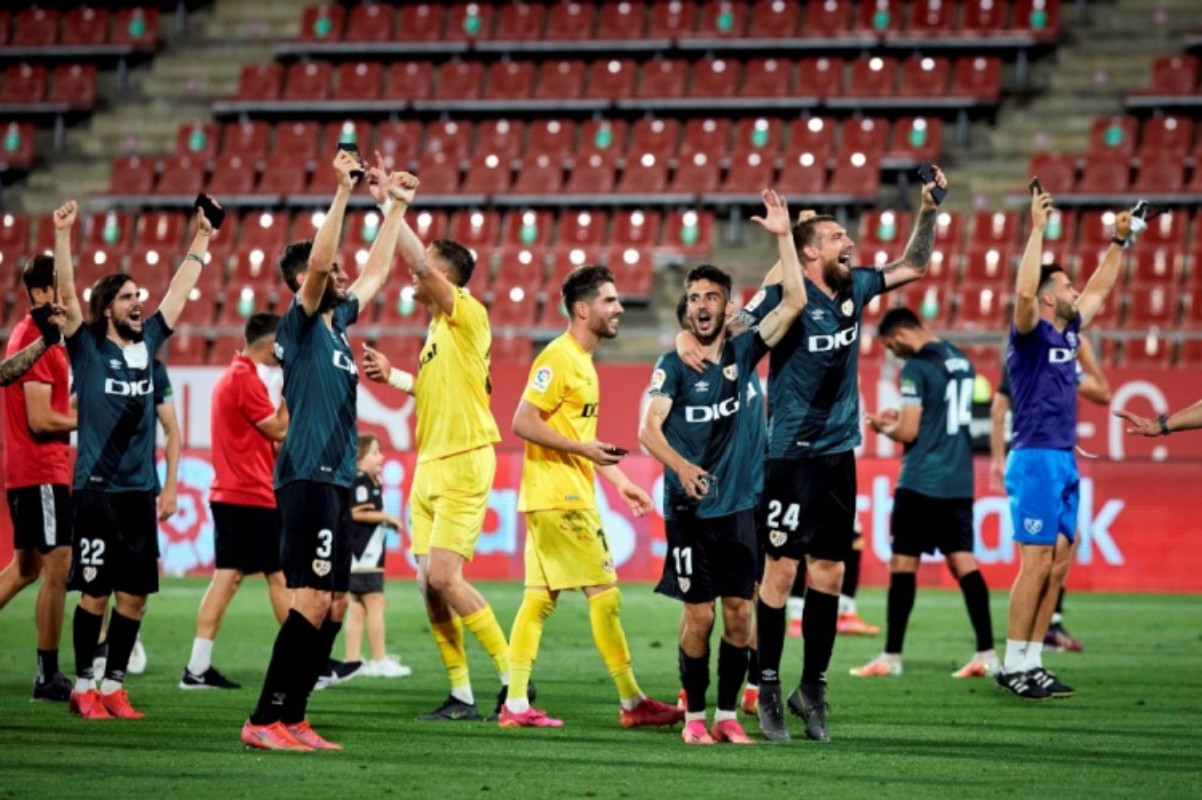
Currently, the Spanish national team features several key players with foreign heritage. Ansu Fati was born in Guinea-Bissau and later moved to Spain, choosing to represent Spain internationally. Adama Traore also has Malian heritage but chose to play for Spain. These players’ technical characteristics often differ from traditional Spanish players, bringing new tactical possibilities to the team through .
| Player Name | Birthplace | Position | Characteristics |
|---|
| Ansu Fati | Guinea-Bissau | Winger | Fast pace, strong dribbling ability |
| Adama Traore | Mali | Winger | Excellent physical attributes |
| Rodrigo | Brazil | Winger | Technical finesse, strong adaptability |
Tactical Advantages of a Diverse Squad
This diverse player composition brings clear tactical advantages to the Spanish team. Traditional Spanish football centers on ball control and passing, while players with foreign heritage often possess stronger physical confrontation abilities and speed advantages. This combination allows the Spanish team to adopt more flexible and varied tactical approaches when facing different types of opponents. Particularly when quick counter-attacks or breaking through dense defenses are needed, these players’ characteristics prove especially valuable.
Challenges in the Integration Process
However, diversification also brings certain challenges. Players from different cultural backgrounds need time to adapt to Spanish football philosophy and tactical systems. While language barriers are not the main issue, cultural differences and the integration of playing styles still require careful coordination from the coaching staff. Additionally, how to maintain the traditional characteristics of Spanish football while fully utilizing these players’ individual strengths remains an important challenge for the head coach.
Impact on the Future of Spanish Football
This diversification trend holds significant importance for the long-term development of Spanish football. It not only enriches the player pool but also provides young players with more learning opportunities through . By observing and learning from the characteristics of different style players, Spanish domestic players can expand their technical repertoire and tactical understanding through [url=https://www.52spain.com/d/84337-spain-national-team-current-players-analysis-and-squad-outlook national team players. Meanwhile, this open and inclusive attitude also helps Spanish football maintain competitiveness on the international stage and adapt to the rapid development demands of modern football.
