Recently, I’ve seen many friends discussing the issue of naturalized players in the Spanish national team. As a fan who has long followed Spanish football, I’d like to share my perspective. Spain’s football achievements over the past decade have indeed benefited from the contributions of some naturalized players.
Development of Spain’s Naturalization Policy
Spain’s naturalization policy for players is relatively lenient, mainly through two pathways: residency requirements and blood relations. According to FIFA regulations, players need to reside continuously in Spain for 5 years or have Spanish ancestry. This policy has provided opportunities for many excellent players to represent Spain.
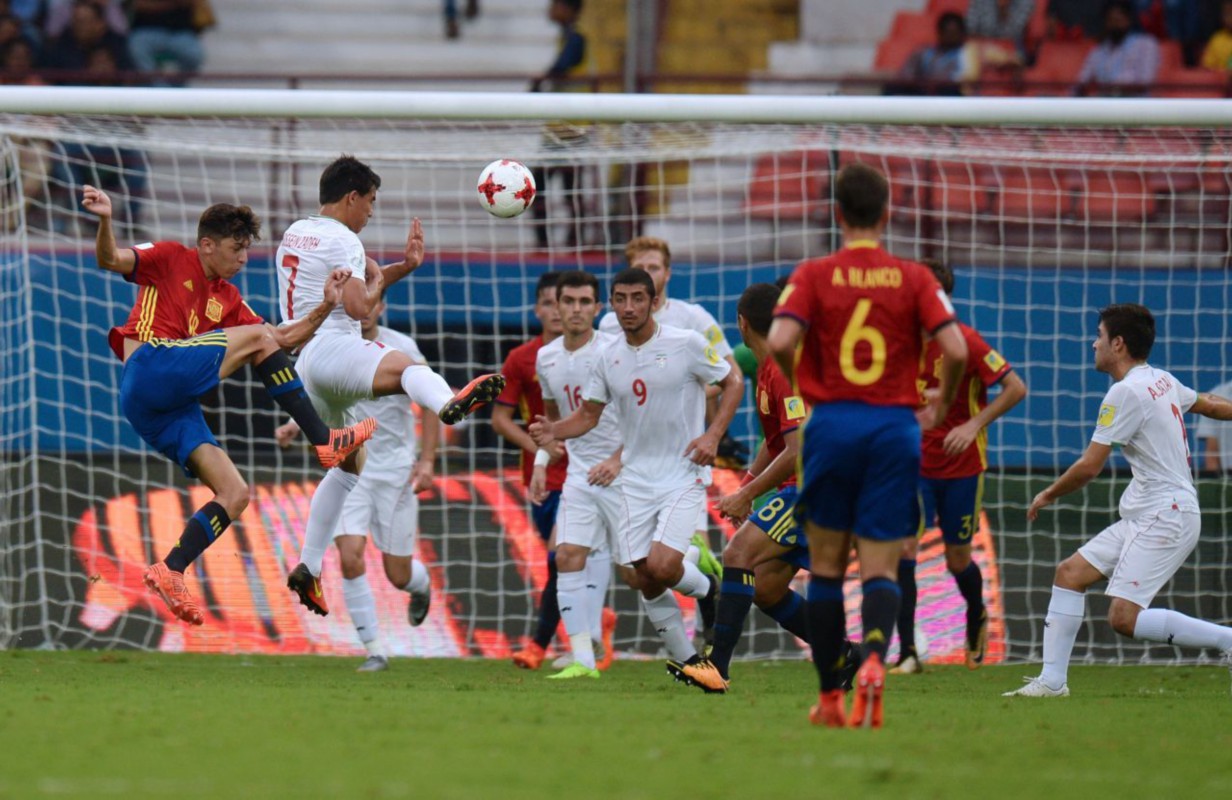
The Spanish Football Federation is very cautious when selecting naturalized players, usually only considering those who can genuinely enhance the national team’s strength. Players like Diego Costa, although born in Brazil, became an important member of the Spanish national team due to his outstanding performance at Atletico Madrid.
Analysis of Key Naturalized Players
Let’s examine some specific cases of naturalized players and [Spanish men’s football star players]:
| Player Name | Birthplace | Naturalization Year | Main Achievements |
|---|
| Diego Costa | Brazil | 2013 | 2014 World Cup starting striker |
| Adama Traore | Spain | 2021 | Premier League Wolves winger |
| Thiago Alcantara | Italy | 2011 | Bayern Munich midfield core |
The addition of these players has indeed brought different technical characteristics to the Spanish national team. Adama’s speed and breakthrough ability provided new options for Spain’s wing attacks, while Diego Costa’s physical confrontation ability compensated for the traditionally lacking characteristics of Spanish forwards.
Impact and Controversies of Naturalization Policy
However, the use of naturalized players has also sparked some controversies. Some fans believe that over-reliance on naturalized players might affect development opportunities for domestic players, but I personally think this concern is somewhat unnecessary, as evidenced by [Spanish men’s football victory celebrations]. Spain’s youth development system remains world-class, with young players like Pedri and Gavi constantly emerging, proving the success of domestic talent cultivation.
Naturalized players more often serve as reinforcements to existing squads rather than replacements. They typically fill gaps in specific positions or technical characteristics, which benefits the overall tactical diversity of the national team.
Future Outlook
Looking ahead, the Spanish Football Federation may continue to maintain its current naturalization policy while paying more attention to players’ integration with Spanish football culture. After all, representing the national team involves more than just technical considerations - it requires genuine belonging and identification with the country, as seen with [Spain’s peak historical players].
I believe Spain has found a relatively balanced approach to its naturalization policy, maintaining team competitiveness without over-relying on foreign players. This approach is worth learning from and emulating by other countries.
