As a football enthusiast who has lived in Spain for many years, I often have the opportunity to observe the commanding styles of local coaches. The command art of Spanish football coaches indeed has its unique characteristics, worthy of our in-depth understanding through Spanish coaches training Barcelona.
Commanding Style with Both Passion and Rationality
Spanish coaches’ sideline performances are often full of passion, but behind this passion lies profound tactical thinking. They are not merely shouting, but conveying precise tactical information. Every gesture and every shout has its specific meaning, and players are already familiar with this communication system.
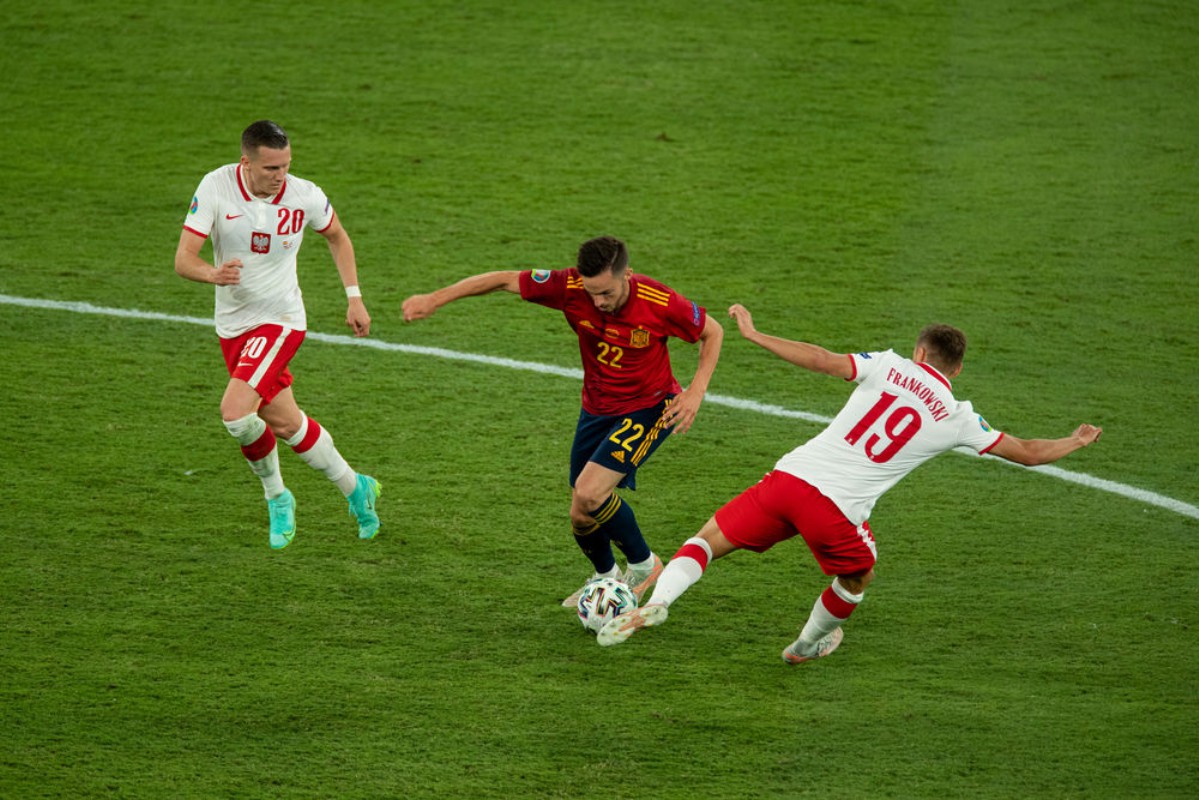
Observing matches of renowned coaches like Guardiola and Enrique, you’ll discover their commands have obvious hierarchical structure. Opening stages focus on overall formation adjustments, halftime involves deep tactical analysis, while crucial match moments concentrate on psychological motivation. This layered commanding approach allows players to receive the most needed information at different periods.
Specific Manifestations of Technical and Tactical Command
The commanding characteristics of Spanish coaches can be understood through the following comparison with [Spanish player coaches]:
| Command Method | Traditional Coaches | Spanish Coaches |
|---|
| Communication Frequency | Intermittent | Continuous |
| Instruction Content | Simple Encouragement | Specific Tactics |
| Body Language | Relatively Static | Dynamically Rich |
| Emotional Expression | Restrained | Full of Passion |
In actual matches, you can often see Spanish coaches using complex gesture combinations to convey tactical changes. For example, pushing the right hand forward indicates attacking pressure, pressing the left hand down means maintaining formation stability, while crossing both hands might signal switching flanks for attack.
Deep Psychological Impact
More impressively, Spanish coaches excel at adjusting players’ mentality through eye contact and brief words at crucial moments. They rarely shout at players angrily from the sideline, instead preferring to guide players back to form through positive approaches. This humanized management style allows players to perform at their best even under high-pressure environments.
From my personal observations, the command art of Spanish football coaches reflects this country’s profound understanding of football. They perfectly combine tactical execution, psychological adjustment, and team cohesion, creating a distinctive commanding style. This might be one of the important reasons why [coaches calling players] Spanish football has achieved brilliant success on the world stage.
