Football fans following Spanish football recently should have noticed the increasing presence of naturalized players in our national team. As a fan who has lived in Spain for many years, I’d like to discuss this topic with everyone.
Trends in Naturalized Player Numbers
From a data perspective, Spain currently has a steadily growing number of naturalized players, with [Spanish naturalized Brazilian players] being particularly notable. According to incomplete statistics, as of 2024, naturalized players across Spain’s national teams at all levels have exceeded 15. This figure shows a significant increase compared to ten years ago, mainly concentrated in popular sports like football and basketball.
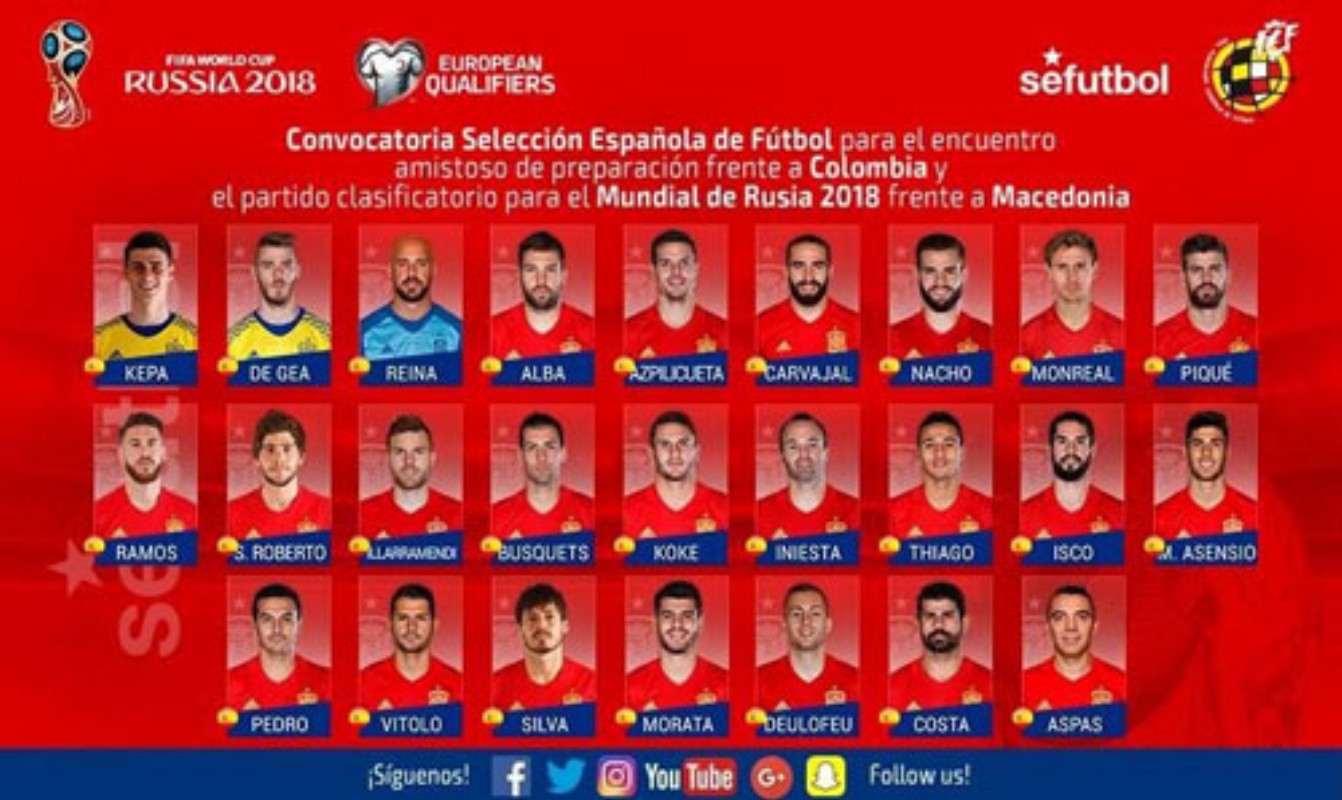
Most of these naturalized players are athletes who have lived and trained in Spain for many years, developing a deep understanding of Spanish culture and football philosophy, including [Spanish naturalized midfield] players. For example, players like Diego Costa, although born in Brazil, grew up within Spain’s football system and ultimately chose to represent the Spanish national team.
Specific Requirements of Naturalization Policy
Spain’s naturalization policy is relatively strict. According to relevant regulations, to obtain Spanish nationality and represent the national team, the following conditions must be met:
| Condition Type | Specific Requirements |
|---|
| Residence Time | Continuous residence for 10 years or 5 years under special circumstances |
| Language Ability | Pass Spanish language proficiency test for [Spanish naturalized players] |
| Cultural Integration | Understanding of Spanish history and cultural knowledge |
| Clean Record | Provide criminal background check from country of origin |
These requirements ensure that naturalized players truly integrate into Spanish society, rather than joining temporarily solely for sporting achievements.
Positive Impact on Spanish Football
From practical results, naturalized players have brought new vitality to Spanish football. They not only enrich the team’s tactical options at the technical level but also inject multicultural elements into Spanish football at the cultural level.
Some worry that naturalized players might affect development opportunities for domestic players, but actual circumstances show that healthy competition has promoted overall improvement. Top clubs like Real Madrid and Barcelona also have many naturalized players playing important roles.
Future Development Outlook
Looking ahead, Spain’s number of naturalized players may continue to grow, but the growth rate will tend to stabilize. After all, naturalization is not a simple process - it requires time and genuine cultural identification. The practice of mass naturalization for short-term benefits is unlikely to occur in Spain.
Spain maintains a relatively rational and pragmatic approach to naturalized player policy, maintaining an open attitude while ensuring quality and standards. This balanced approach is worth learning from and emulating by other countries.
