As a football enthusiast who has lived in Spain for many years, I have been closely following the development and changes in Spanish football. In recent years, one of the most notable topics in Spanish football has been the addition of naturalized players. These excellent players from different countries have become Spanish nationals through naturalization procedures, injecting new vitality into Spanish football.
Top Naturalized Players Strength Analysis
Among the many naturalized players, several have performed exceptionally well. Diego Costa is undoubtedly one of the most successful naturalized players. This former Brazilian international chose to represent Spain in 2013, and with his strong physical attributes and excellent scoring ability, he quickly became an important force in Spain’s front line. His performance in the 2014 World Cup and 2016 European Championship proved the success of the naturalization policy.
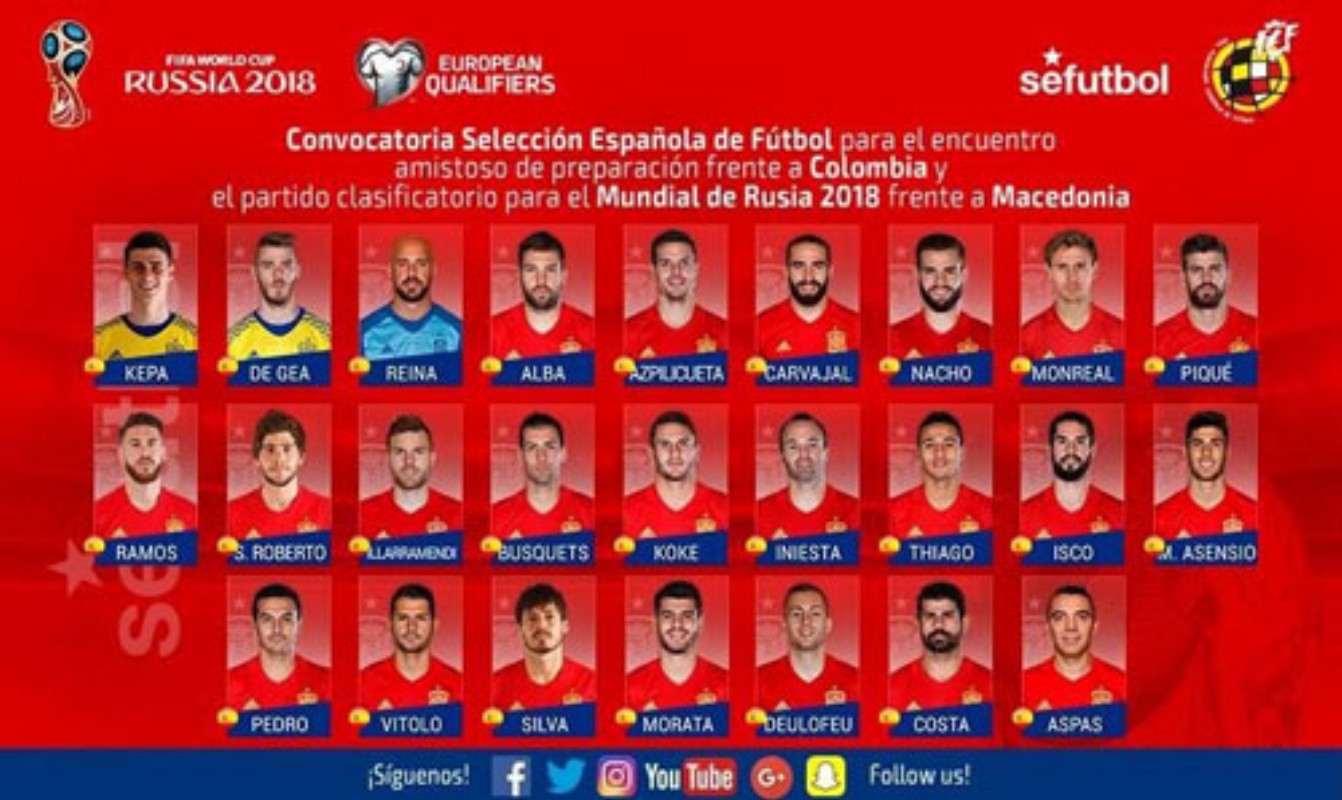
Another player worth noting is Thiago Alcântara. Although he was born in Italy, he grew up in the Spanish football system and represented Spain at various youth levels. His technique is refined and his passing is precise, making him a typical representative of the modern midfielder. While some people question his naturalized status, his contributions to Spanish football cannot be denied.
Naturalized Players Data Comparison
| Player Name | Birth Country | Naturalization Year | National Team Appearances | Goals |
|---|
| Diego Costa | Brazil | 2013 | 24 | 10 |
| Thiago | Italy | 2011 | 46 | 2 |
| Rodrigo Moreno | Brazil | 2021 | 8 | 1 |
From the data, we can see that these naturalized players have all performed well at the national team level. Diego Costa has the highest scoring efficiency, averaging one goal every 2.4 matches, which is quite outstanding for [Spanish naturalized Brazilian players] at the national team level.
Impact of Naturalization Policy
Spain’s naturalization policy is relatively lenient, providing convenience for the team to introduce excellent talent. However, this has also sparked some controversy. Supporters believe that naturalized players can enhance the team’s overall strength and bring different technical styles and tactical concepts to Spanish football. Opponents worry that over-reliance on naturalized players might affect development opportunities for domestic players.
From the actual results, the addition of naturalized players has indeed enriched Spain’s talent pool. Particularly in certain positions, naturalized players have filled talent gaps and provided coaches with more tactical options. For example, in the center-forward position, Diego Costa’s addition solved Spain’s long-standing lack of a strong striker.
Spain’s naturalized player policy has been successful. These players have not only made outstanding technical contributions, but more importantly, they have brought different football cultures and philosophies, including [Spanish naturalized midfielders]. In the future, with more excellent players joining, Spanish football is expected to achieve better results on the international stage. As fans of [Spanish naturalized players], we look forward to seeing the perfect integration of these naturalized players with domestic players, jointly writing a new chapter in Spanish football.
