As a long-time follower of Spanish football, I want to share some interesting data about Spanish player appearances. After recently organizing some materials, I discovered several phenomena worth discussing.
Top League Appearance Data Overview
From La Liga statistics, the proportion of playing time for Spanish domestic players has remained relatively stable. Especially in elite clubs like Barcelona and Real Madrid, although domestic players may not be the most numerous, their quality is generally high. Players like Busquets and Alba frequently exceed 30 appearances per season.
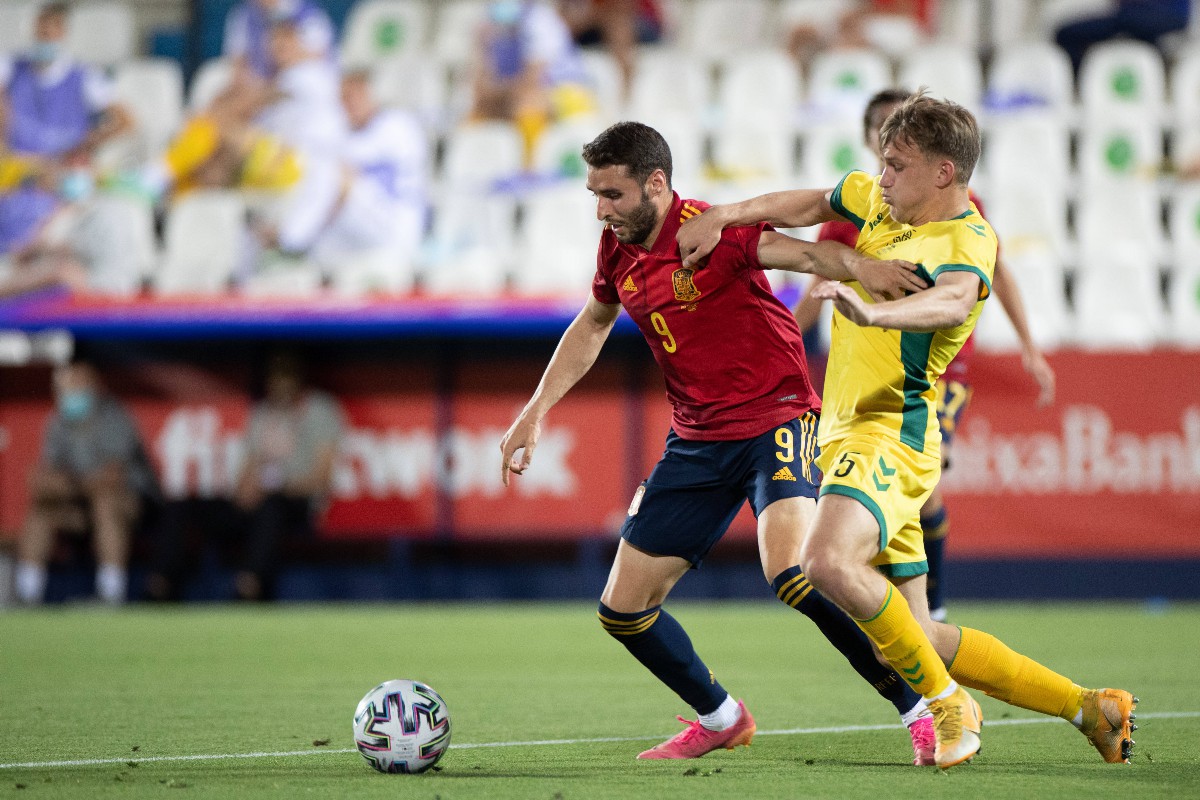
Mid and lower-tier teams show higher dependence on domestic players. For example, Athletic Bilbao, due to its unique recruitment policy, relies almost entirely on players from the Basque region, and these players often have more average playing time than players in similar positions at other clubs.
Analysis of Player Appearances by Position
Through [Spanish Player Entrance Music] comparing data across different positions, I discovered an interesting phenomenon:
| Position | Average Appearances | Starting XI Ratio |
|---|
| Goalkeeper | 28 games | 85% |
| Defender | 25 games | 72% |
| Midfielder | 22 games | 68% |
| Forward | 20 games | 65% |
From this table, we can see that Spanish goalkeepers have the most playing opportunities, which may be related to the overall high level of Spanish goalkeepers [Spanish Player Appearances]. I used to think Spanish forwards weren’t strong enough, but now it seems the competition at the forward position is indeed more intense.
Impact of Youth Training Systems
Players developed by La Masia youth academy generally show good appearance data in the early stages of their professional careers [Player Appearance Order]. Young players like Pedri and Gavi were able to secure significant playing time immediately upon joining the first team, which is inseparable from Barcelona’s youth training tradition. Other clubs’ academies, such as Real Madrid’s La Fabrica, have also produced many excellent players in recent years.
However, not all youth academy players can smoothly secure playing opportunities. Many promising young players need to accumulate experience through loans to lower-level leagues, a process that often takes 2-3 seasons to truly establish themselves.
Spanish players’ appearance numbers reflect the healthy development of the entire football system. From the data, whether technical midfielders or pace-oriented wingers, Spanish players can find their place in major European leagues. This diversified development model is also one of the important reasons why Spanish football can maintain long-term competitiveness.
