The Golden Era of La Liga Domestic Players
Observing recent seasons, Spanish domestic players in La Liga have indeed delivered impressive performances. From Spanish teammates alongside Real Madrid’s Vinicius to rising stars emerging from Barcelona’s youth academy, domestic players are redefining La Liga’s competitive landscape.
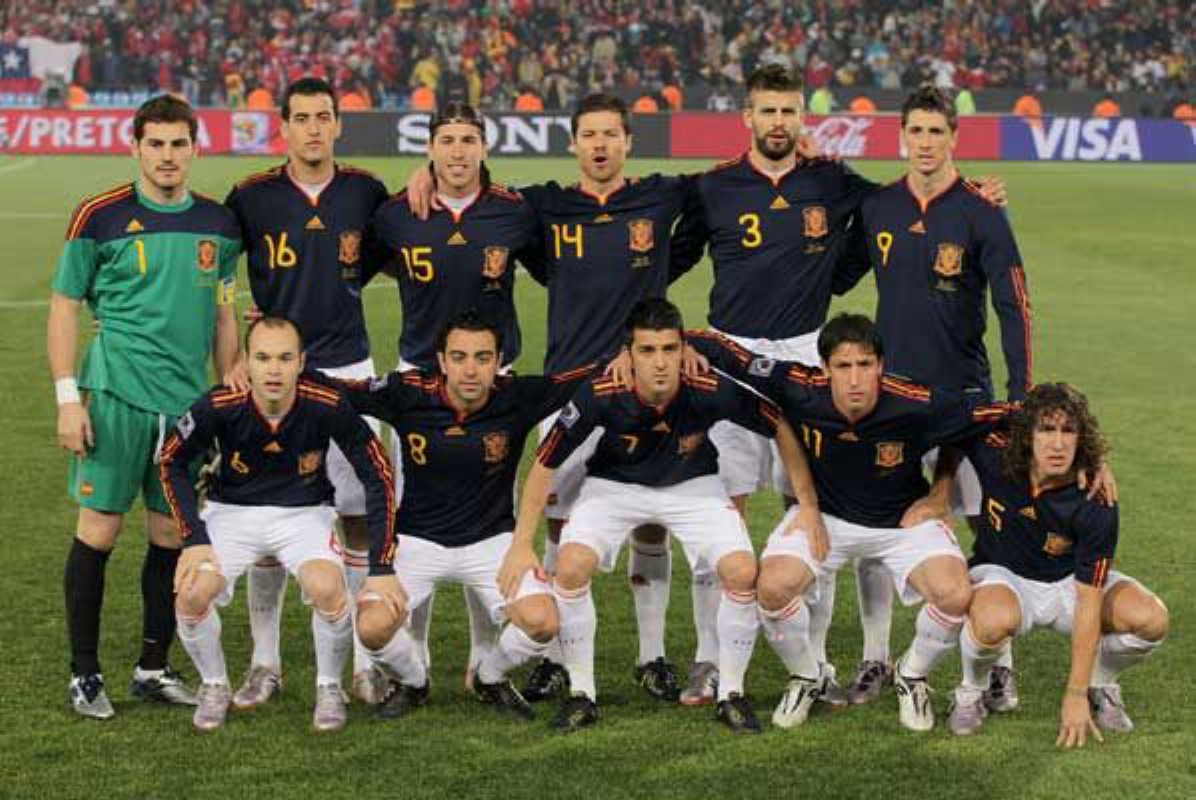
Domestic Core Players at Top Clubs
Real Madrid’s current Spanish squad includes proven talents like Carvajal, Nacho, and Asensio. Barcelona boasts youth academy gems such as Pedri and Gavi. Atletico Madrid features Koke and Saul, who are regular fixtures in the Spanish national team. These players not only excel technically but, more importantly, possess deep understanding of their club cultures.
It’s worth noting that these domestic players often play decisive roles in crucial matches. Their grasp of La Liga’s rhythm and understanding of opponents’ characteristics, as highlighted in Spanish players returning to La Liga, represent advantages that foreign players struggle to match in the short term.
Player Distribution Statistics by Position
| Position | Representative Player | Club | National Team Appearances |
|---|
| Goalkeeper | Unai Simon | Athletic Bilbao | 28 times |
| Defender | Carvajal | Real Madrid | 46 times |
| Midfielder | Pedri | Barcelona | 22 times |
| Forward | Morata | Atletico Madrid | 69 times |
The data shows Spanish players have solid representation across all positions, particularly in midfield, which has traditionally been Spanish football’s strongest area.
Continuous Output from Youth Development Systems
Spanish clubs’ youth development systems remain among Europe’s finest. Barcelona’s La Masia, Real Madrid’s Castilla, and Athletic Bilbao’s youth academy continue supplying fresh talent to La Liga annually. These young players possess not only solid technical skills but also excellent tactical awareness.
Young talents like Ansu Fati, Gavi, and Pedri have already proven themselves in top-level competitions. Their success inspires more Spanish youth to pursue football careers.
Future Development Trends
With adjustments to EU player policies and implementation of Financial Fair Play regulations, La Liga clubs may become increasingly dependent on domestic players. This presents both opportunities and challenges for Spanish football. On one hand, domestic players will gain more opportunities as discussed in Spanish players returning to La Liga; on the other hand, they must prove themselves in fiercer competition against world-class foreign players.
Current trends suggest Spanish domestic players will become increasingly important in La Liga. They serve not only as crucial components of clubs’ tactical systems but also as carriers of Spanish football culture heritage.
