As a football enthusiast who has lived in Spain for many years, I recently compiled some data on player numbers across Spanish league levels that I found quite interesting, so I’d like to share it with everyone.
Top League Player Distribution
La Liga, as the world’s top league, currently has a relatively fixed number of registered players. With 20 teams and approximately 25-30 first-team players per club, the total comes to around 500-600 professional players. However, this figure doesn’t include young players in youth academies. It’s worth noting that the proportion of foreign players in La Liga is quite high, with domestic players actually accounting for about 60%.
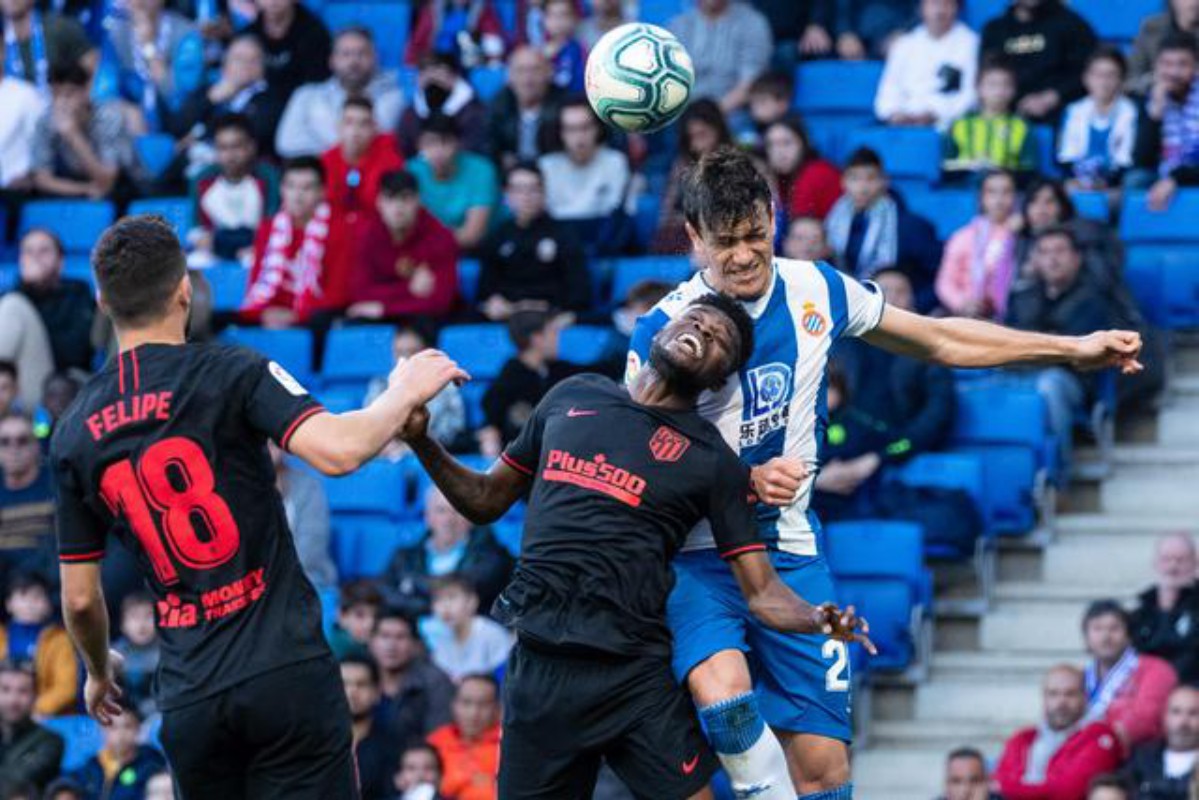
Segunda División has a larger scale, with 22 teams meaning total player numbers between 550-660. Compared to La Liga, Segunda División has a higher proportion of domestic players, with about 75% being Spanish nationals. This is an important platform for many young players to prove themselves.
League Level Data Comparison
| League Level | Number of Teams | Estimated Total Players | Domestic Player Ratio |
|---|
| La Liga | 20 | 550 | 60% |
| Segunda División | 22 | 600 | 75% |
| Segunda División B | 80 | 2000 | 85% |
| Regional Leagues | 300+ | 8000+ | 95% |
Youth System Contributions
Spain’s youth system is truly impressive, with major clubs’ academies continuously producing talent. Real Madrid, Barcelona, and Atlético Madrid’s youth academies are all large-scale operations, with complete squad structures for every age group. Statistics show that these three clubs’ youth systems alone have developed over 1500 registered players.
Local club youth development is equally important, with traditional powerhouses like Sevilla, Valencia, and Athletic Bilbao all having their own youth traditions. These clubs send large numbers of domestic players to professional leagues annually.
Amateur and Semi-Professional Leagues
When it comes to player numbers, amateur leagues are actually the majority. Spain has hundreds of regional leagues, from the third-tier Segunda División B to various local competitions, with participant numbers being more than ten times that of professional leagues. While these leagues don’t receive much attention, they play crucial roles in football popularization and talent discovery.
I used to think only professional leagues counted, but in reality, these amateur leagues are the foundation of Spanish football. Many current professional players climbed up step by step from these leagues.
Spain’s football talent reserves are indeed deep, forming a complete pyramid structure from top leagues to amateur competitions. This explains why Spain can maintain such strong competitiveness on the international stage.
