German Players vs Spanish Players: A Clash of Two Football Philosophies
As two European football powerhouses, the German and Spanish national teams represent completely different football philosophies. From technical aspects to tactical execution, from player development to match styles, both nations’ football have distinct characteristics. Today, let’s discuss the differences between players from these two teams, including insights on German team players of Spanish descent.
Technical Characteristics Comparison
German players have always been renowned for their outstanding physical attributes and strong tactical execution. They generally possess tall stature and strong physical confrontation abilities, gaining advantages in set pieces and aerial duels. In contrast, Spanish players focus more on technical finesse, with solid footwork and extremely high passing accuracy.
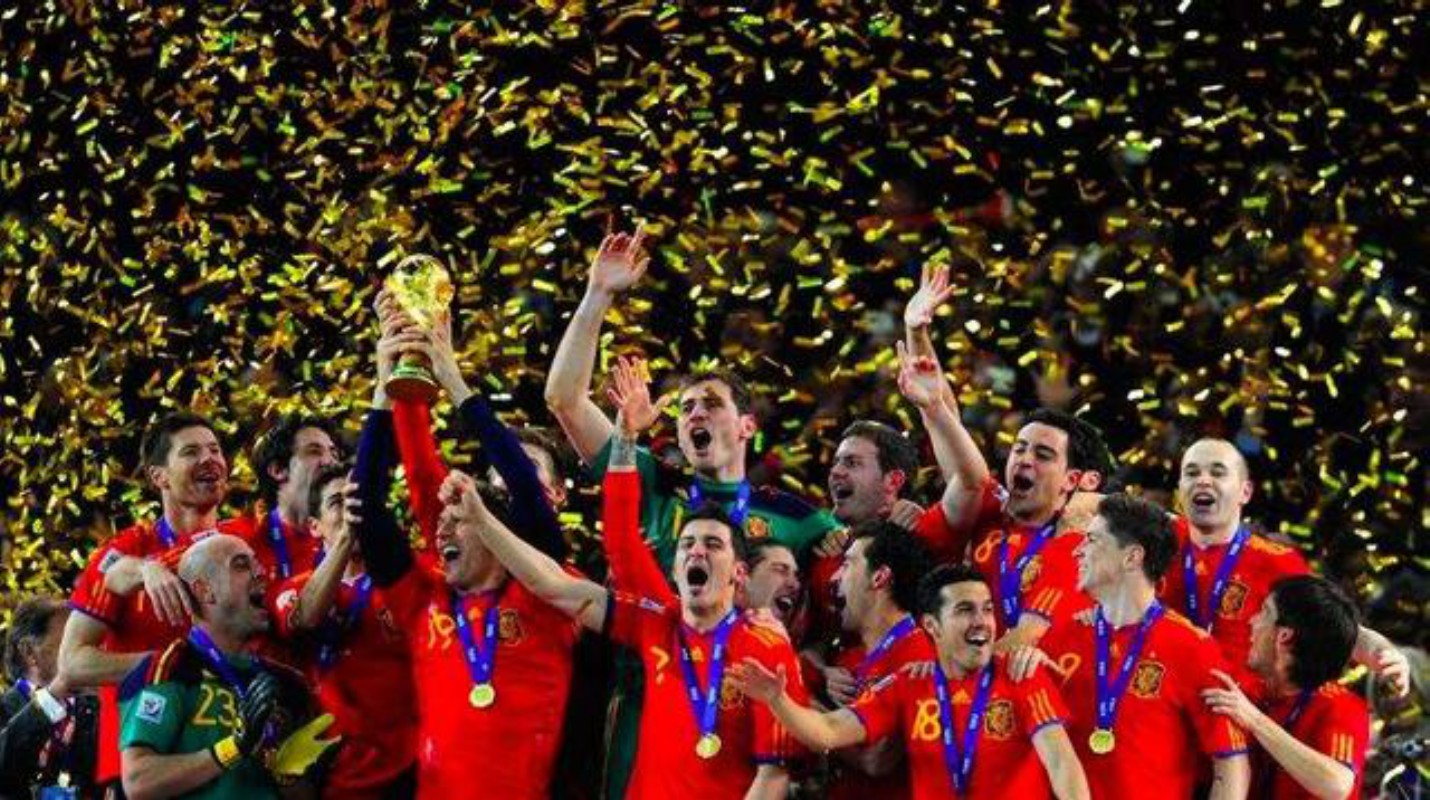
Spain’s tiki-taka tactical system requires players to possess excellent ball control and short passing abilities, which has produced passing masters like Iniesta and Xavi. German teams, on the other hand, prefer more direct and effective attacking approaches, requiring players to make optimal choices with limited touches.
Positional Analysis
| Position | German Player Characteristics | Spanish Player Characteristics |
|---|
| Goalkeeper | Tall stature, quick reflexes | Excellent footwork, participates in build-up |
| Defender | Strong in duels, aerial advantage | Precise passing, technically complete |
| Midfielder | Wide coverage, abundant stamina | Skillful ball control, broad vision |
| Forward | Strong finishing, seizes opportunities | Flexible movement, seamless coordination |
From this comparison, we can see that German players emphasize practicality and efficiency, while Spanish players pursue technical perfection and fluid cooperation.
Youth Development System Differences
The youth development philosophies of both countries also show clear differences. The German Football Association focuses on cultivating players’ comprehensive qualities, emphasizing physical confrontation and tactical discipline from an early age. Spanish academies like La Masia concentrate more on polishing technical fundamentals, ensuring players develop excellent ball control and passing abilities from childhood.
These different training approaches directly influence the playing styles of both nations’ players. German players on the field are more like components of a precision machine, each fulfilling their role with seamless coordination; Spanish players are more like artists, creating football masterpieces on the pitch with their exquisite technique.
Whether it’s German pragmatism or Spanish technical flow, both styles have their unique charm. It’s precisely this diversified development that makes world football so exciting and colorful. As fans, we are fortunate to witness these two football philosophies clash spectacularly on the pitch, as analyzed in German players’ perspective on Spanish players.
