As a football enthusiast who has lived in Spain for many years, today I want to discuss those outstanding players in Spanish football history who obtained nationality through naturalization and served the national team. Although these players were not born and raised in Spain, they wrote a significant chapter in Spanish football with their skills and loyalty.
The Golden Generation of Naturalized Players
When talking about Spanish naturalized players, Diego Costa is definitely the most controversial yet successful one. This Brazilian-born striker chose to play for the Spanish national team in 2013. Although he only appeared 24 times for Spain scoring 10 goals, his club-level performance was enough to prove the success of this naturalization. Costa’s aggressive style and goal-scoring instinct made him a legendary figure at Atletico Madrid and Chelsea, as noted in the Spanish defender rankings.
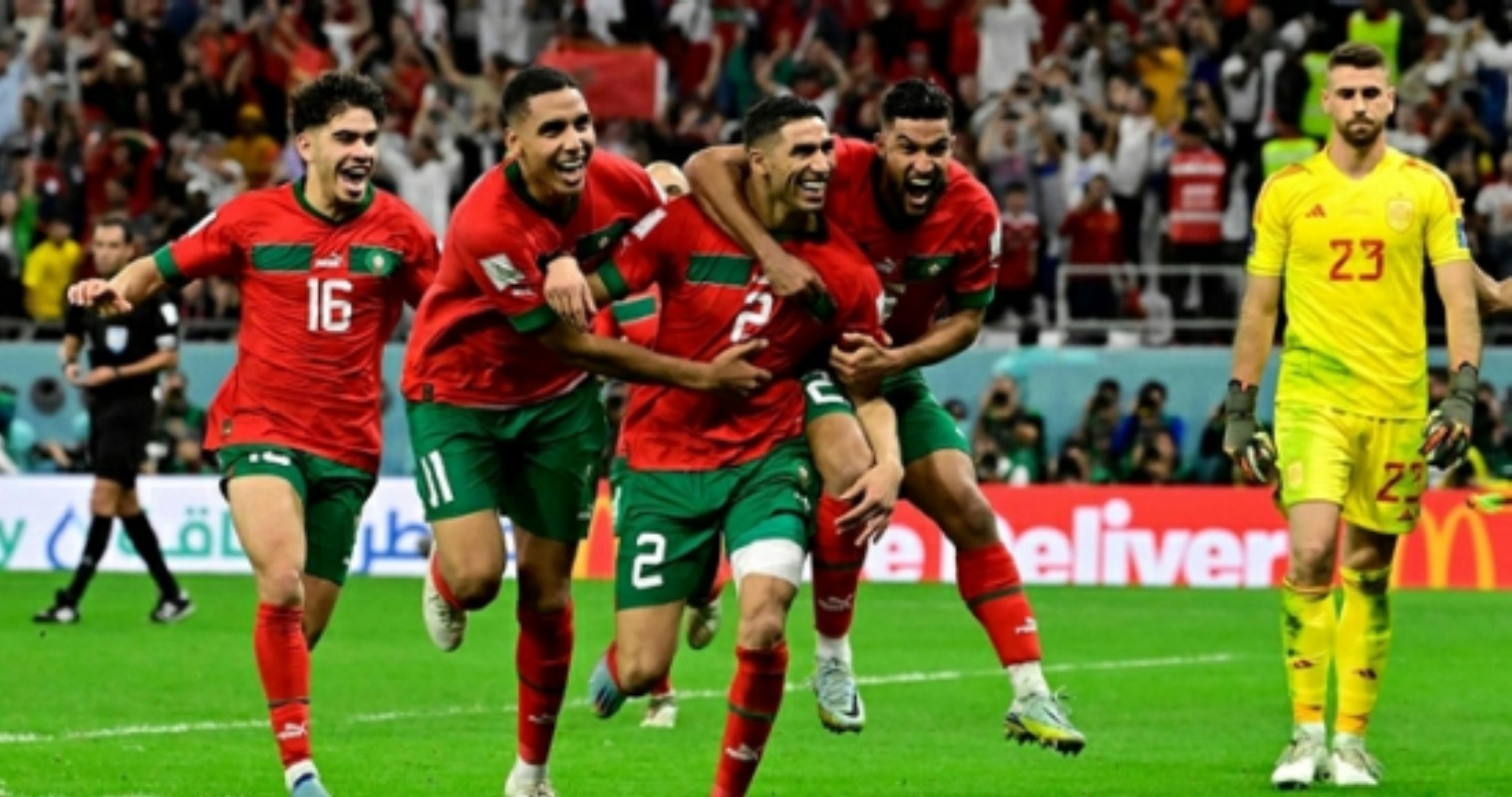
Another player worth mentioning is Marcos Llorente, this French-born center-back who grew up in Real Madrid’s youth academy and began playing for the Spanish national team in 2010. Llorente participated in the 2010 World Cup and 2012 European Championship, serving as an important member of Spain’s golden generation. His solid defense and excellent heading ability laid a strong foundation for Spain’s success.
Classic Naturalized Players Statistics
| Player Name | Birth Country | National Team Appearances | Goals | Main Achievements |
|---|
| Diego Costa | Brazil | 24 matches | 10 goals | European Championship runner-up |
| Marcos Llorente | France | 27 matches | 2 goals | World Cup champion |
| Aduriz | France | 13 matches | 2 goals | European Championship winner |
| Monreal | Colombia | 22 matches | 0 goals | European Championship participant |
Naturalization Strategies Across Different Eras
Spain’s early naturalization policy was relatively conservative, mainly targeting players who grew up in Spain’s youth development system. For example, Aduriz, this French-born striker who started his professional career relatively late, but his loyalty to Athletic Bilbao and crucial goals for the national team left a lasting impression. His winning goal against Italy in the 2016 European Championship is still fondly remembered by fans.
In recent years, with the development of football globalization, Spain’s naturalization policy has also kept pace with the times. Players like Monreal from South America earned the opportunity to represent the national team through outstanding performances in Spanish leagues. Although his national team career was relatively brief, he also contributed to the diversified development of Spanish football.
Future Prospects for Naturalized Players
From these successful naturalization cases, we can see the inclusiveness and openness of Spanish football. These players not only enriched the national team’s tactical options at the technical level but also injected new vitality into Spanish football at the cultural level. Although some fans have controversies about naturalization policies, it is undeniable that these players have proven the value and significance of naturalization through their performances.
Looking ahead, with the continuous improvement of Spain’s football youth development system and increasing internationalization, I believe more excellent naturalized players will contribute to the development of Spanish football. After all, football is a global sport, and cultural integration and collision often produce unexpected chemistry.
