Spanish Player Shooting Technique Training
Recently observed several training sessions at a football club in Madrid and discovered that Spanish players indeed have unique approaches to shooting training. As a football enthusiast who has lived in Spain for many years, I want to share some observed training methods and techniques.
Basic Shooting Posture Training
Spanish coaches place particular emphasis on developing fundamental posture. When players shoot, the position of the supporting foot is crucial, typically requiring the supporting foot to be 15-20 centimeters from the ball, with the toe pointing toward the target direction. The shooting foot’s swing should remain natural, and at the moment of ball contact, the instep should maintain an appropriate angle with the ground. These seemingly simple details are key factors determining shooting quality.
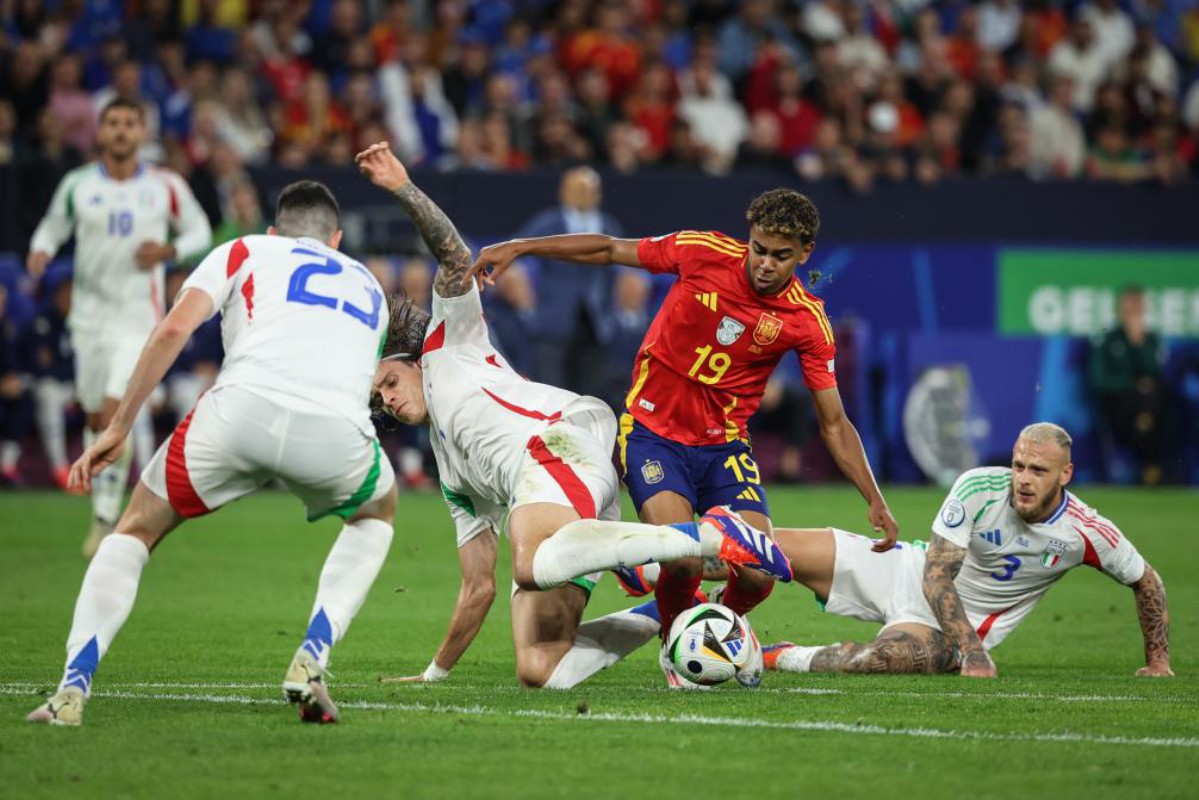
Shooting Training Comparison at Different Distances
Based on observations, Spanish players’ shooting training develops corresponding strategies according to different distances:
| Distance Range | Main Technique | Training Focus |
|---|
| 6-12 meters | Quick release | Reaction speed and accuracy |
| 12-18 meters | Power control | Angle selection and force management |
| Beyond 18 meters | Long-range technique | Contact point and curve control |
Timing in Match Situations
Timing selection is another key element for successful shooting. Spanish players simulate various match scenarios in training, including shooting during quick counterattacks, poaching shots in penalty area scrambles, and calm handling in one-on-one situations with goalkeepers, incorporating evasive shooting techniques. Coaches repeatedly emphasize that shooting is not merely a technical action, but a comprehensive manifestation of psychological quality and tactical awareness.
Importance of Mental Training
Beyond technical aspects and goalpost shooting techniques, Spanish shooting training includes psychological conditioning. Players need to remain calm under high-pressure environments, which requires cultivation through repeated simulation training. Coaches set various interference factors, having players complete shooting actions in noisy environments, gradually improving stress resistance and concentration.
These training methods may appear simple but require long-term persistence to be effective. For amateur players, selecting several key points for focused practice should significantly improve shooting performance. Everyone is welcome to share experiences and insights from training for mutual discussion.
