The Phenomenon of Spanish Players’ Longest Preparation Time
Recently, while observing European football leagues, I discovered a fascinating phenomenon: Spanish players generally require much longer preparation time than players from other countries. Whether starting from the youth academy stage or reaching professional leagues, Spanish players always seem to need more time for Spanish player retirement preparation for matches and adapting to new tactical systems.
Deep Cultivation in Youth Academy Systems
Spain’s youth academy system is arguably one of the most comprehensive in the world, but also the most time-consuming. From entering football schools at age 8 to officially joining professional teams at 18, this 10-year development cycle provides Spanish players with solid technical foundations. While this long-term cultivation approach shows slow results, it produces players with more comprehensive technical skills.
Tactical Understanding Requires More [Player Emergency Medical Response] Time
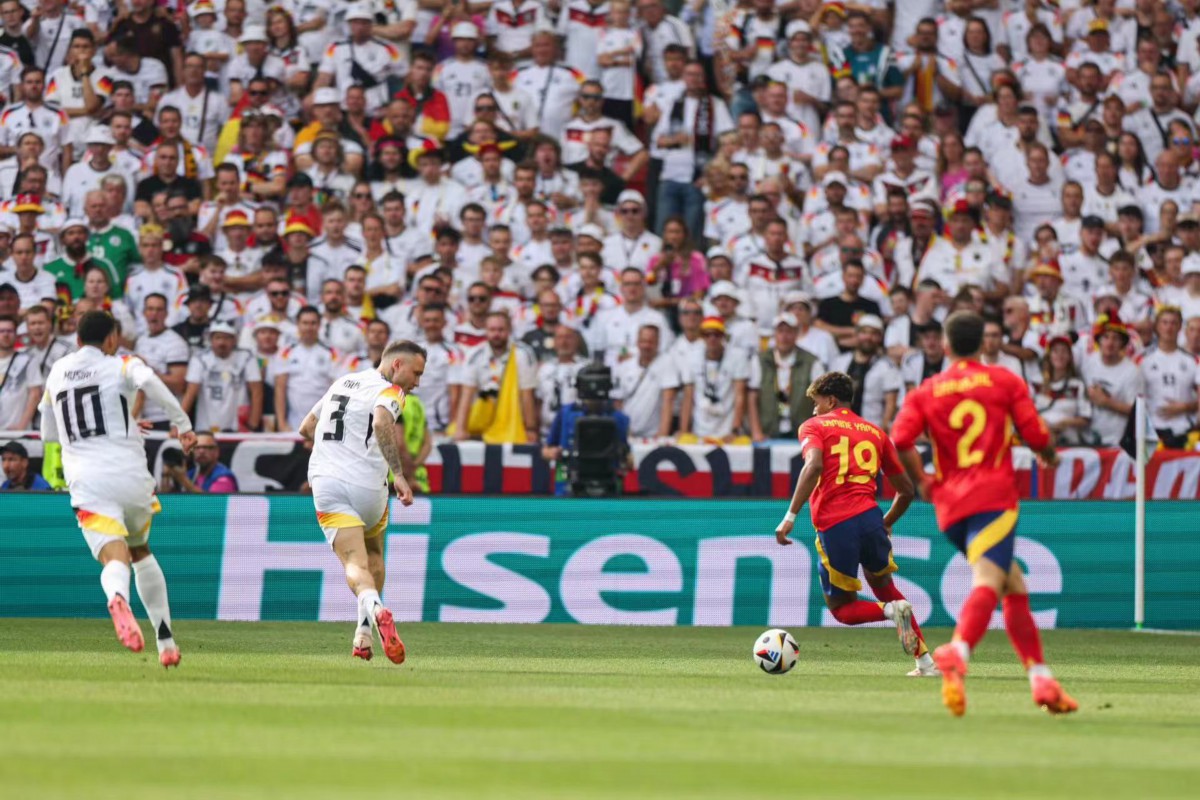
Spanish football emphasizes technical play and possession-based tactics, which demands extremely high tactical understanding from players. Unlike players from some countries who can quickly adapt through physical attributes, Spanish players need substantial time to understand complex tactical systems. On average, a Spanish player requires 6-8 months to fully master a new tactical system, nearly twice as long as players from other countries.
Comparison of Player Preparation Time by Country
| Country | Average Preparation Time | Main Characteristics |
|---|
| Spain | 8-12 months | Technical finesse, complex tactics |
| Germany | 4-6 months | Systematic training |
| England | 3-4 months | Physical confrontation focus |
| Brazil | 2-3 months | Talent-based players |
Continuous Learning Throughout Professional Career
Even at the peak of their professional careers, Spanish players maintain a learning attitude. Players like Xavi and Iniesta, despite being world-class, still require 2-3 months at the beginning of each season to adjust their form and adapt to new tactical requirements. Some say this shows Spanish players are overly cautious, but I believe this is precisely why they maintain such high standards.
Advantages and Challenges of Extended Preparation Time
While extended preparation time may seem like a disadvantage, it actually provides Spanish players with unique advantages. They have lower error rates in matches, more precise tactical execution, and relatively longer professional careers. However, this also presents challenges, particularly in the transfer market, where other clubs are often unwilling to wait for Spanish players’ lengthy adaptation processes. This explains why many Spanish players prefer to develop within domestic leagues.
