As a long-time follower of European football and Spanish Italian players, I’d like to share my observations on the characteristics of players from Italy and Spain. Although these two football powerhouses are geographically close, they produce players with distinctly different stylistic traits.
Technical Characteristics Comparison
Italian players are generally renowned for their solid defense and strong tactical discipline. From Maldini to Chiellini, Italian defenders consistently make correct decisions at crucial moments. In contrast, Spanish players focus more on technical finesse and passing accuracy. Midfield masters like Iniesta and Xavi could execute exquisite combinations in tight spaces.
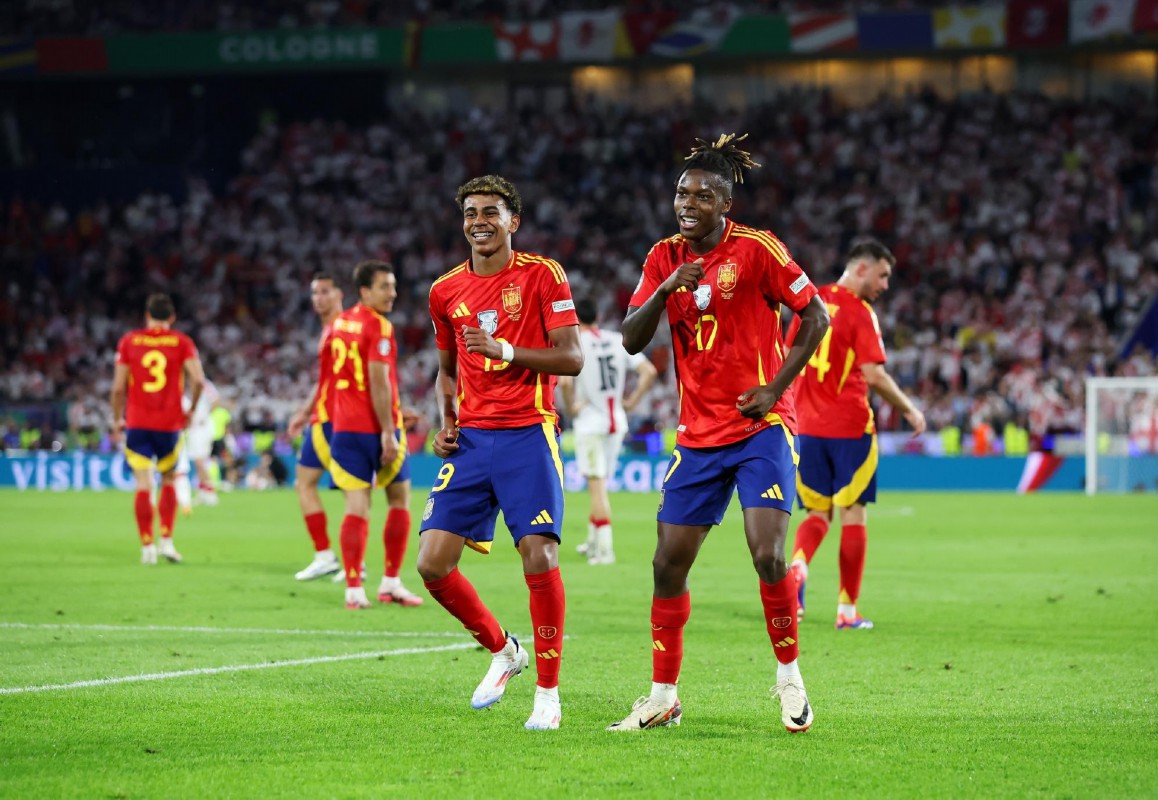
Spain’s youth development system emphasizes cultivating players’ technical skills from an early age, while Italy places greater emphasis on developing overall tactical awareness. This difference directly manifests in both countries’ playing styles: Spanish players excel at ball control and short passing penetration, while Italian players specialize in defensive counter-attacks and set-piece coordination.
Positional Analysis
Across different positions, players from both countries show distinct characteristics:
| Position | Italian Traits | Spanish Traits |
|---|
| Goalkeeper | Quick reflexes, strong command | Excellent footwork, attacking participation |
| Defender | Robust defense, outstanding heading | Precise passing, strong advancing ability |
| Midfielder | Active interceptions, accurate long passes | Excellent ball control, strong creativity |
| Forward | Sharp goal instinct, good physical duels | Comprehensive technique, excellent teamwork |
Statistical data on Moroccan-origin players shows that Spanish players typically achieve 5-8 percentage points higher passing accuracy than Italian players, while Italian players perform better in tackles and aerial duels. These differences reflect the distinct football philosophies and training priorities of both countries.
Tactical Adaptability
Modern football increasingly emphasizes tactical flexibility, and players from both countries demonstrate different adaptive capabilities. Italian players can typically adapt quickly to various defensive systems different defensive formations, maintaining stable performance whether in three or four-defender setups. Spanish players thrive in possession-based tactics, particularly excelling in matches requiring patient offensive organization.
With modern football’s evolution, characteristics of players from both countries are increasingly converging. More Italian young players are focusing on technical skills, while Spain’s new generation places greater emphasis on improving physical confrontation abilities. This evolution makes both countries’ football more comprehensive and modern.
