As a football enthusiast who has lived in Spain for many years, I’ve always been fascinated by the development of Spanish football. Today I want to discuss those outstanding striker players in Spanish history who have not only achieved brilliant success at club level, but have also been indispensable forces for the Spanish national team.
Leaders of the Golden Generation
When talking about Spanish strikers, Raúl González is absolutely unavoidable. This Real Madrid legend appeared 102 times for the national team from 1994 to 2010, scoring 44 goals. Raúl’s technical characteristics were very comprehensive - not only was his shooting accurate, but he also possessed excellent positioning awareness and team coordination abilities. His performances in the 2000 European Championship and 2002 World Cup are still talked about by fans today.
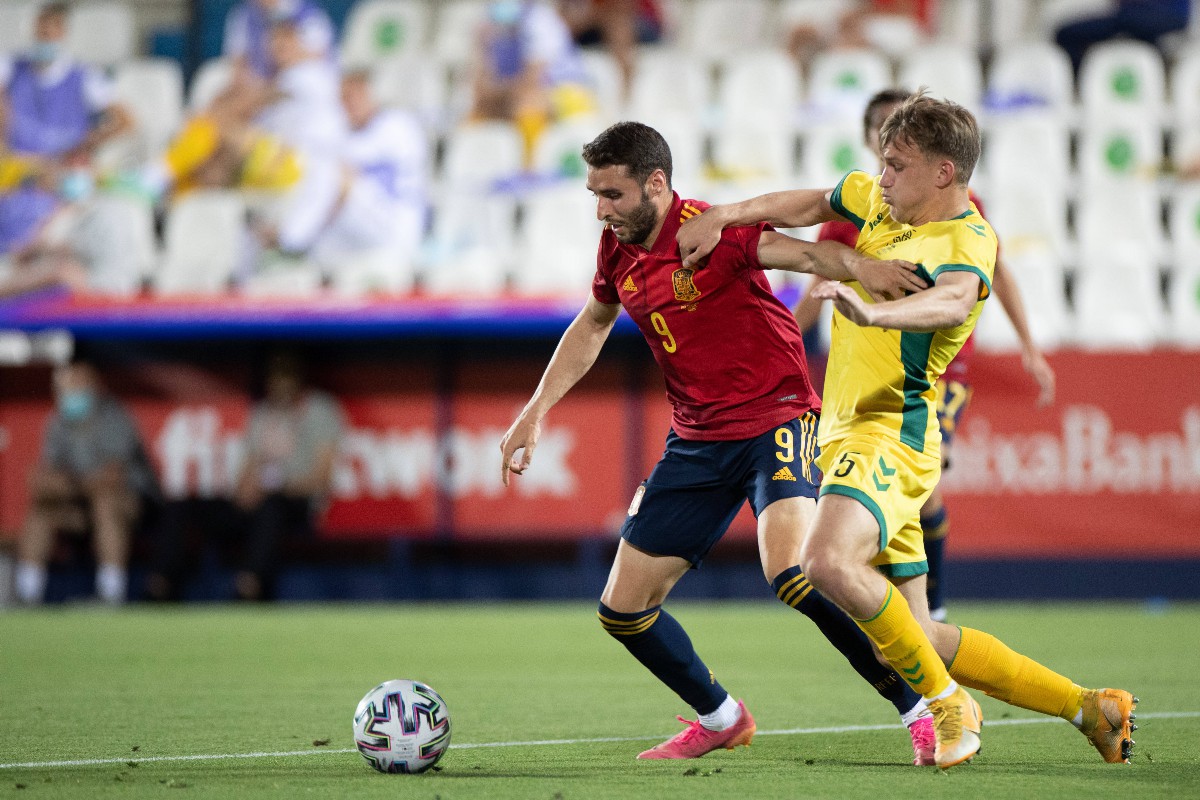
After Raúl, Spain’s striker position experienced a relatively quiet period. It wasn’t until Fernando Torres emerged that people’s expectations for Spanish strikers were reignited. Torres’ winning goal in the 2008 European Championship final helped Spain win a major tournament for the first time in 44 years, a moment that also marked the beginning of a new era in Spanish football.
Analysis of Modern Spanish Striker Characteristics
| Player Name | Main Characteristics | Representative Achievements |
|---|
| Raúl | Complete technique, excellent positioning | Real Madrid’s all-time top scorer |
| Torres | Fast pace, clinical finishing | 2008 European Championship Golden Boot |
| Morata | Strong heading ability, excellent tactical execution | Multiple European Championship appearances |
In recent years, Álvaro Morata has become the main choice for Spain’s national team striker position. Although his club performances have been inconsistent, he always delivers excellent performances in national team matches. Morata’s heading ability and instinct in the penalty area make him a crucial element in Enrique’s tactical system.
Reflections on Tactical Evolution
The evolution of Spain’s striker position actually reflects the changes in Spanish football philosophy as a whole. From the early Raúl era that emphasized individual ability, to the later Torres period that stressed team coordination, and now to the current Morata phase that focuses more on tactical discipline, each period has its unique characteristics.
Some people believe that Spain lacks truly world-class strikers, but I think this view is too one-sided. Spanish strikers may not be known for physical confrontation like those from other countries, but they have unique advantages in technical finesse and tactical execution. These characteristics perfectly match Spain’s overall style of possession-based football.
Looking to the future, with the growth of a new generation of young players, I believe Spain’s striker position will continue to maintain its unique charm. After all, the beauty of football lies in the fact that each generation of players can bring different surprises and emotions.
