As a football enthusiast who has lived in Spain for many years, I’d like to discuss the strength comparison between Spanish and American players. This topic is frequently debated in our local bars, especially during important matches.
Significant Technical Differences
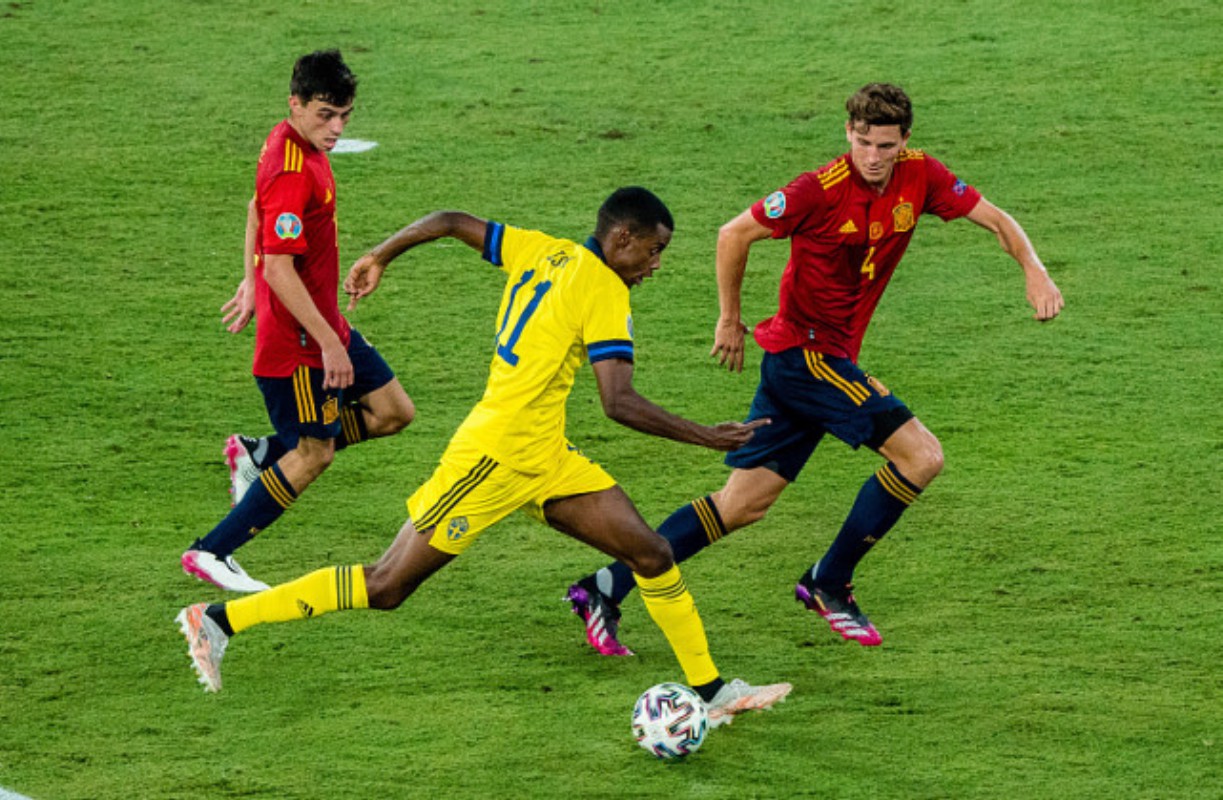
Spanish players receive systematic technical training from a young age, with possession-based play deeply ingrained in their Spanish player strength DNA. You can see young players like Pedri and Gavi displaying exceptional technical skills and ball control. In contrast, American players focus more on physical confrontation and speed. While players like Pulisic and McKennie have good physical attributes, they still lag behind in refined technical execution.
Fundamental Tactical Philosophy Differences
Spanish football emphasizes collective coordination and positional rotation, tactical concepts cultivated from youth development. American football leans more toward individual ability expression, and although this has changed in recent years, it still relies heavily on physical advantages and set pieces.
| Comparison Item | Spanish Players | American Players |
|---|
| Technical Level | Exquisite and refined | Practical and concise |
| Physical Attributes | Above average | Strong and powerful |
| Tactical Execution | Strict and disciplined | Flexible and adaptable |
| Mental Strength | Stable and mature | Positive and aggressive |
Youth Development System Gap
Spain’s youth development system has decades of accumulation, from La Masia to various club academies, all with comprehensive training systems. Although America invests considerably, it started later, with youth development concepts still in exploratory stages. However, America’s college sports system provides an alternative pathway for football development.
From my personal observation, Spanish players indeed lead in technical and tactical literacy, but American players’ physical conditions and fighting spirit shouldn’t be underestimated. These two different football cultures each have their characteristics, and future development depends on how each learns from the other’s strengths.
